Hogueras in Alicante, and the week the city burns its art
By Penrose Bay EditorialPublished October 13, 20265 min read
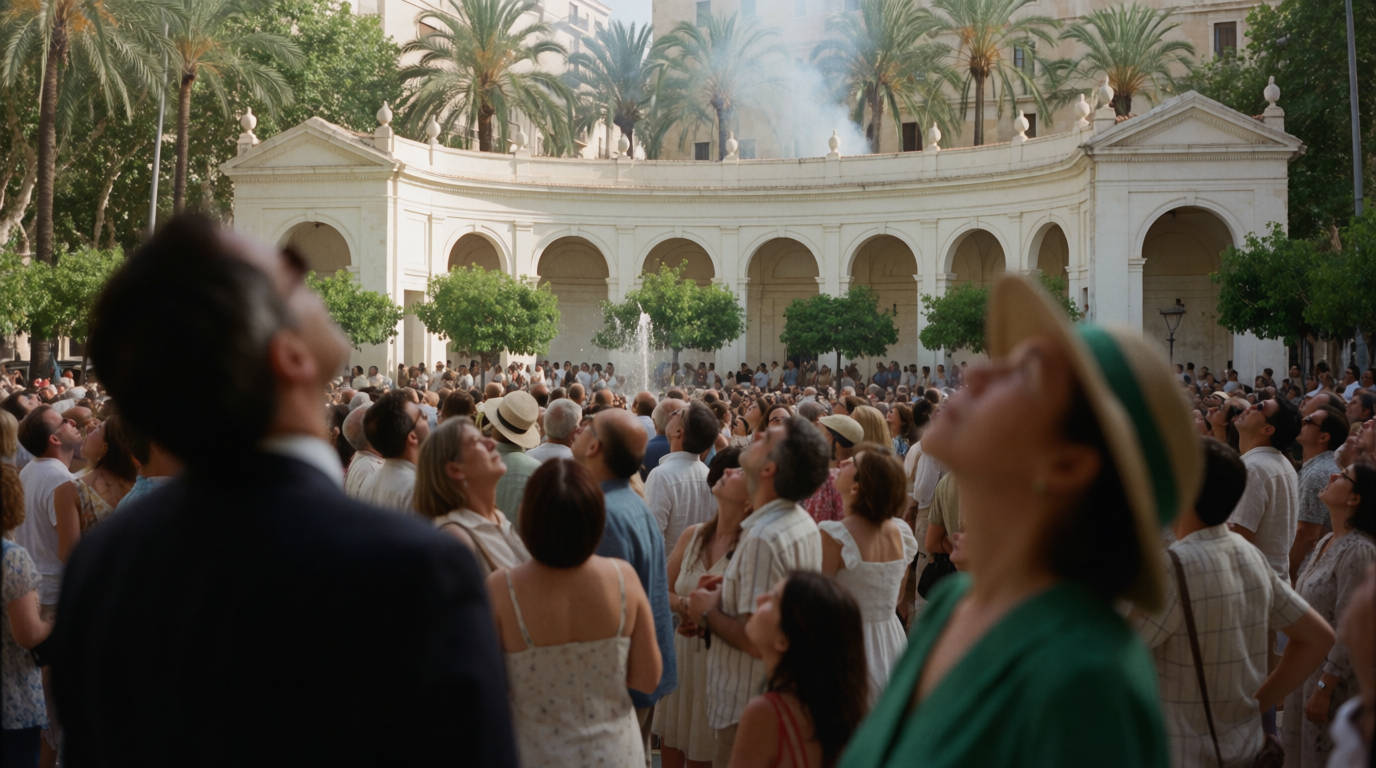
If you stand in Alicante's Plaza de los Luceros at two in the afternoon in late June, you will feel the city before you hear it. The ground hums, windows tremble, and a few seconds later a roll of thunder made entirely of fireworks rolls across the square. Nobody flinches. A few hundred people are simply looking up and smiling.
This is the mascletà, and it is the daily heartbeat of the Hogueras de San Juan, the fiesta that takes over Alicante around the shortest night of the year. It is loud, communal, a little absurd and entirely beloved. For anyone thinking of making the Costa Blanca home, it is one of the clearest windows into how the city thinks about itself.
Art built to be burned
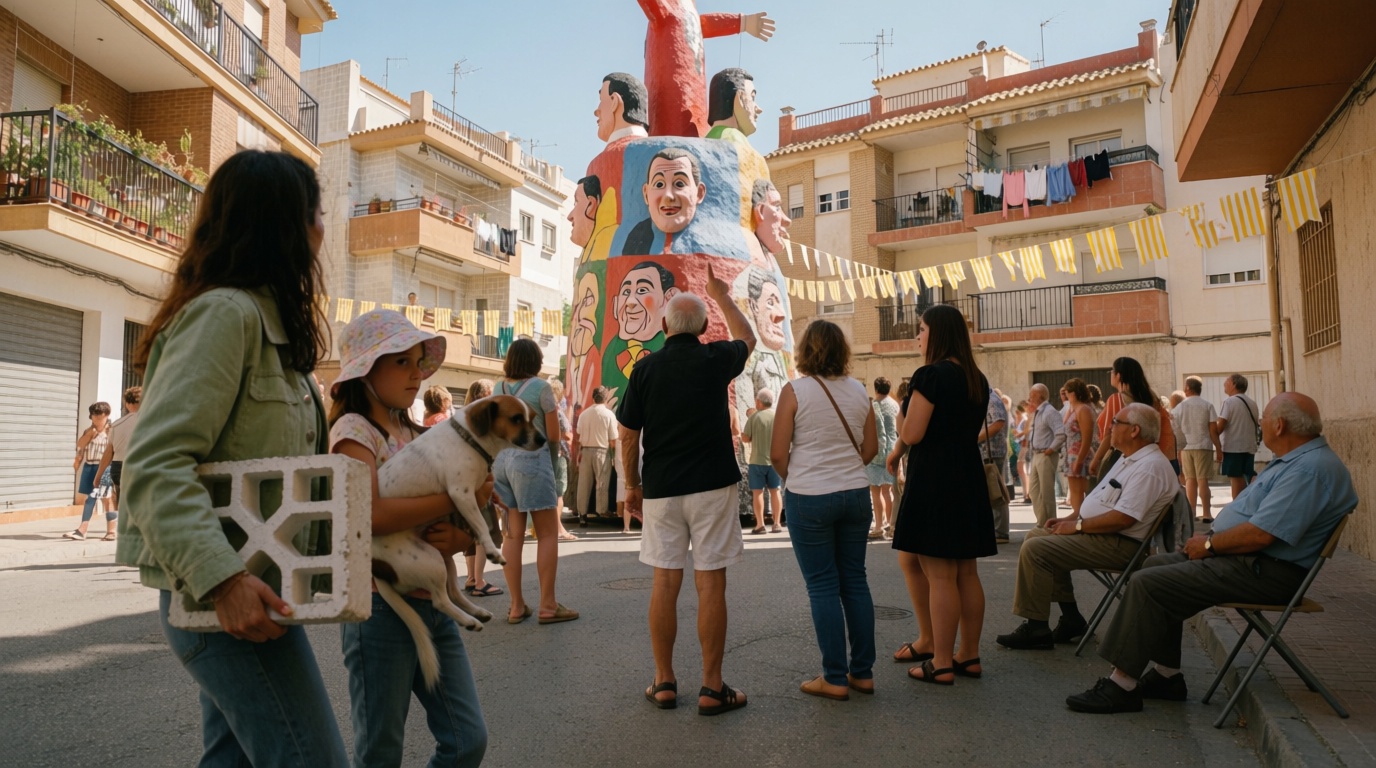
The idea at the centre of the Hogueras is a generous one. Neighbourhood committees spend months building a foguera, a tall monument of wood, cardboard, papier-mâché and cork, painted with satirical figures called ninots that poke fun at politicians, celebrities and the year's small embarrassments. Many are built with real craft. Then, on the final night, they are burned.
There is one gentle exception. Each year the public votes to save a single ninot from the flames, the ninot indultat, which goes to a museum devoted to the fiesta in the city. Everything else goes up, and that is exactly the point. You make something beautiful with your neighbours, you enjoy it for a few days, and you let it go.
It is worth wandering the barrios in the days before the end, when the monuments stand finished in their streets. Children are dressed for the occasion, grandparents sit on folding chairs beneath the figures, and people give you the unforced pride of a place showing you something it made itself.
The shape of the week
The fiesta runs for several days around 24 June, and it has a rhythm worth learning. The afternoons belong to the mascletà. The evenings belong to the barracas, the festival tents and street tables where neighbours eat, talk and dance late. The big fireworks come in the small hours, and the final burning, the cremà, takes place on the night of the 24th, with the city's main monument going last.
The firefighters are the quiet stars. As each monument burns, they hose down the balconies and facades around it, a piece of choreography that is as much part of the spectacle as the flames. People applaud them as warmly as they applaud the fireworks.
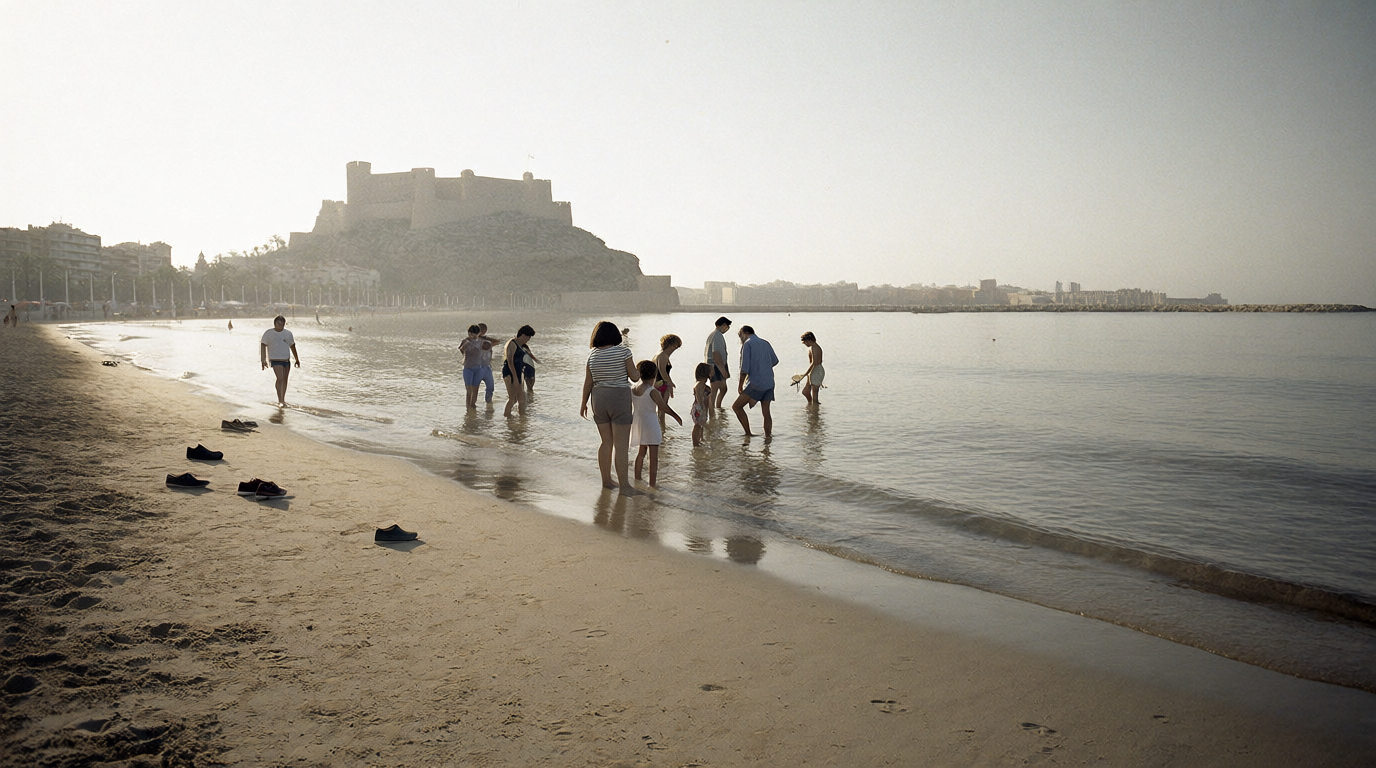
And then, around midnight on San Juan, many people make their way down to the sea. The tradition on the sand is to jump seven waves for luck, and the beaches of Alicante fill with friends and families doing exactly that, shoes in hand, as the city smoulders behind them.
Living beside the noise
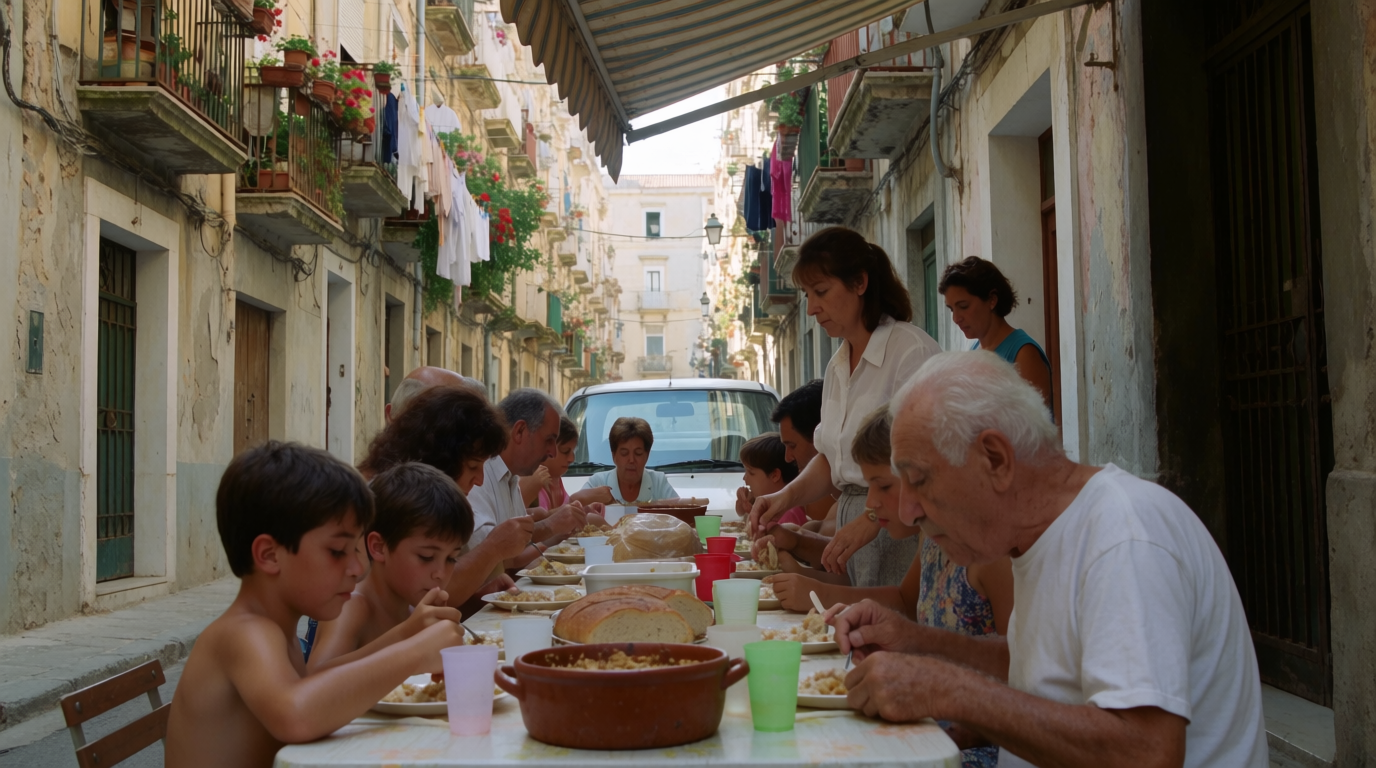
If you own a home in or near Alicante, the Hogueras are not a spectacle you visit. They arrive at your front door. A few practical truths help you enjoy them rather than endure them:
- Streets close for monuments and processions, so parking and deliveries need planning in advance.
- The mascletà is genuinely loud. Pets, babies and anyone sensitive to noise will want a quiet room or a day out of town.
- Many shops and offices shift their hours, and the festival days tend to be treated as holidays locally, so errands belong before or after.
- The town hall publishes the programme and the road closures each year, and it is worth reading before the week begins rather than during it.
None of this is a warning. It is simply the texture of living somewhere that still celebrates in the street. Residents who treat it as a fixed point in the calendar, something to plan around and look forward to, tend to settle into the city more easily than those who treat it as an interruption.
What it tells you about the Costa Blanca
The Costa del Sol has its ferias and its sea processions, and the Costa Blanca has its own, but the Hogueras carry a particular character. They are neighbourhood made. The monuments come from committees of friends and families who meet all year, pay into the pot together and spend their evenings painting figures for a bonfire. That sense of belonging to a barrio is what makes Alicante feel so lived in.
It also says something about patience. The city invests months in an event that ends in a few hours, then begins preparing the next one. If that appeals to you, the Costa Blanca is likely to suit you well.
The morning after the cremà is oddly peaceful. The streets are swept, the smoke has cleared and the tide has smoothed the sand at Postiguet, where the castle of Santa Bárbara looks down as it has for centuries. Coffee tastes better than usual. The city has had its night and is ready to get on with the summer.
If you would like to see it for yourself
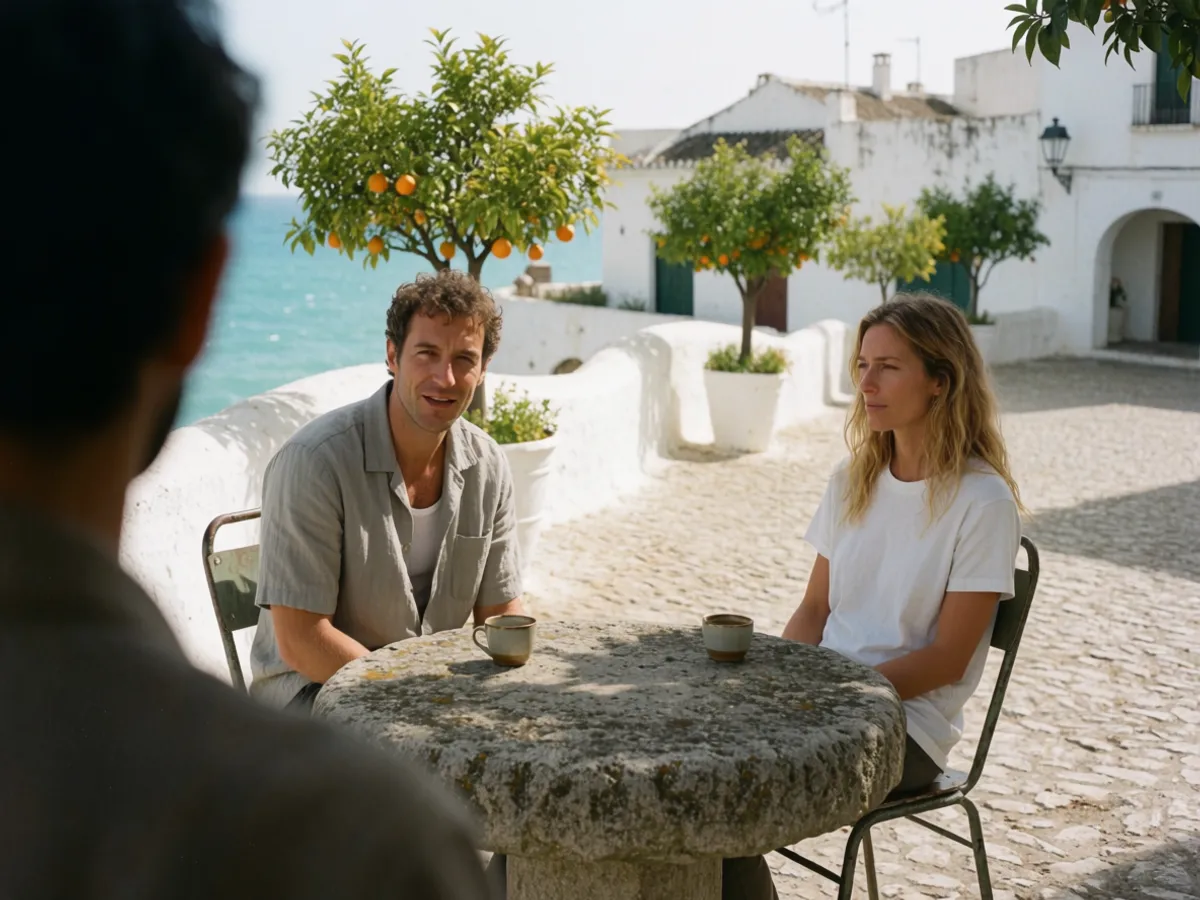
We would gently suggest seeing the Hogueras at least once before you decide anything about Alicante, and staying long enough to feel the week from the inside. If you are weighing up a home on the Costa Blanca and would like an introduction to a trusted local expert who knows the barrios, the fiesta calendar and what each street is like in the middle of June, get in touch. We would be glad to help, with no pressure and no timetable.
The introduction
The local expert who knows this coast
We are not the estate agency. We are the introduction. When a piece like this turns into a plan, we connect you with a vetted local expert who knows the town and speaks your language.
Find your local expert