

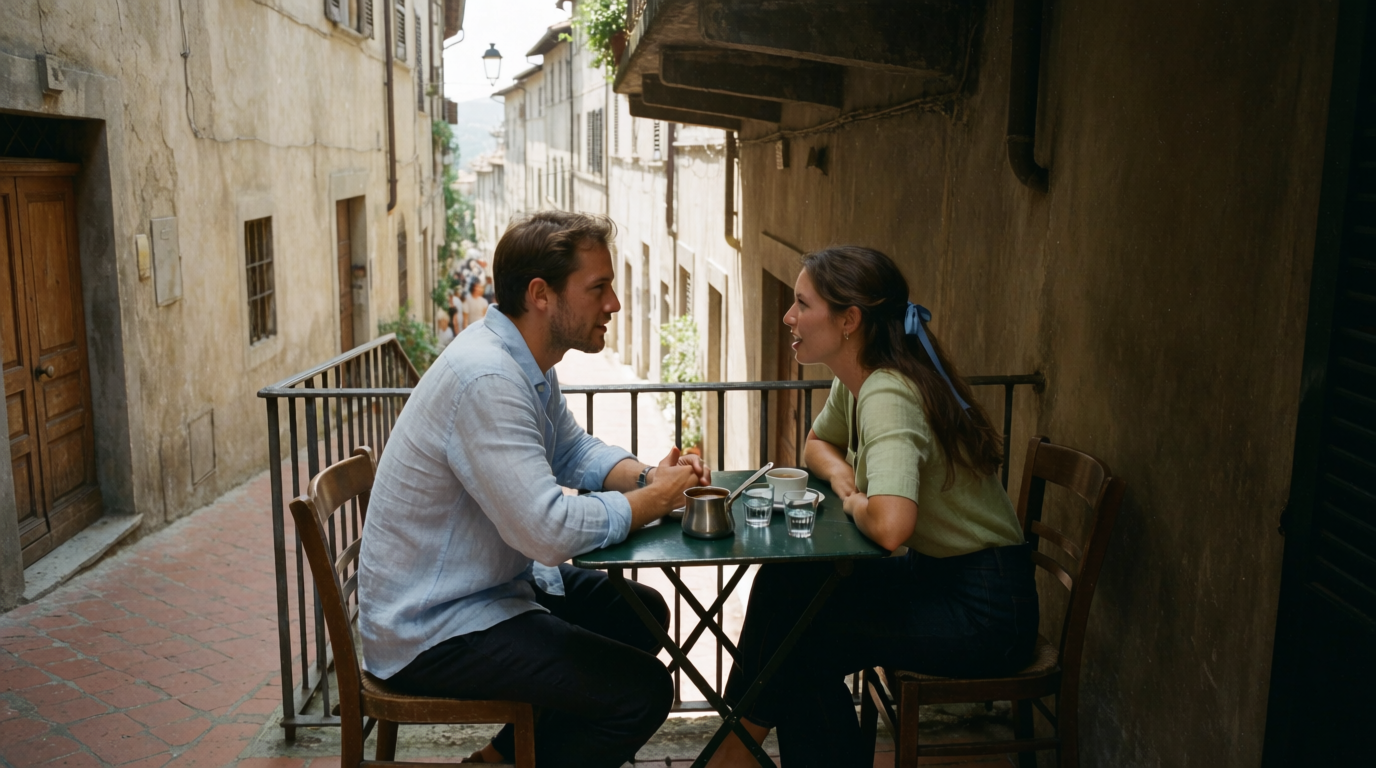
Reading the coastal market without the noise this autumn
By Penrose Bay EditorialPublished October 15, 20266 min read
Every autumn the coast changes pace. The beach bars thin out, the light turns softer and the people who live here reclaim their own streets. It is also the season when many people sit down with a spreadsheet and a coffee and ask the same question: what is the market actually doing?
We want to answer that honestly, which means starting with a small confession. This note does not quote a table of fresh prices, sales counts or buyer shares. Figures date quickly, they differ by municipality, and a number repeated without its source is worse than no number. Instead, we would like to show you how to read the market yourself, and what to do with what you find.
That approach suits two coasts that behave quite differently from one another.
What a market note can and cannot tell you
When you read that "prices are up" or "sales are down", ask which place, which type of home and which measure. A headline about the province of Málaga says little about a flat in Fuengirola, and a headline about the province of Alicante says little about a village house in the Marina Alta.
The Costa del Sol and the Costa Blanca are collections of small markets. A new-build apartment near the sea in Estepona, a townhouse in a golf community, an older flat in a Torremolinos block and a finca in the Axarquía hills each move on their own timetable. An average across all of them blurs the picture you need.
The direction of travel, as far as we can say it without a fresh figure in hand, is the one you will have read about in recent months: strong interest from abroad, careful lending, and good homes in the right places holding their ground. We offer that as context rather than as a forecast, and we would not ask you to plan a purchase around it.
Three signals worth watching
If you want to follow the market properly, a handful of published sources do the job far better than any portal headline. Each measures something different, which is why they are worth reading together.
- Registered sales from the INE. The national statistics institute publishes monthly figures on completed home transfers by province. They tell you how many deals reached the register, though with a lag.
- Notary data from the Notariado. Deeds signed in front of a notary show the price actually written down, which is closer to reality than an advertised price.
- Mortgage and rate commentary from the Banco de España. Borrowing costs shape what many buyers can afford, and the bank's publications explain the direction in plain terms.
The Registradores also publish periodic reports that include the nationality of buyers, which is the most useful place to look if you want to know who else is active where you are looking. We would rather you read the latest release yourself than rely on our summary of it.
Two coasts, two rhythms
The Costa del Sol is the more international of the two, with Málaga airport at its centre and a long chain of towns strung along the coast road and the AP-7, from Manilva in the west to Nerja in the east. The offer ranges from city flats in Málaga to hill villages like Mijas and Casares, golf estates around Sotogrande and Benahavís, and quieter stretches in the Axarquía.
The Costa Blanca is served by Alicante-Elche airport and has a different character. Calpe, Altea, Moraira and Albir sit at the northern end, with the Peñón and the sierra behind them. Further south the Vega Baja and Torrevieja side is flatter and more built up, with a large year-round community of residents. The Costa Blanca often feels more Spanish in daily rhythm, with local fiestas and markets still driving the calendar.
Neither is better. They suit different lives, and the way a town feels in February tells you more than the way it looks in August.
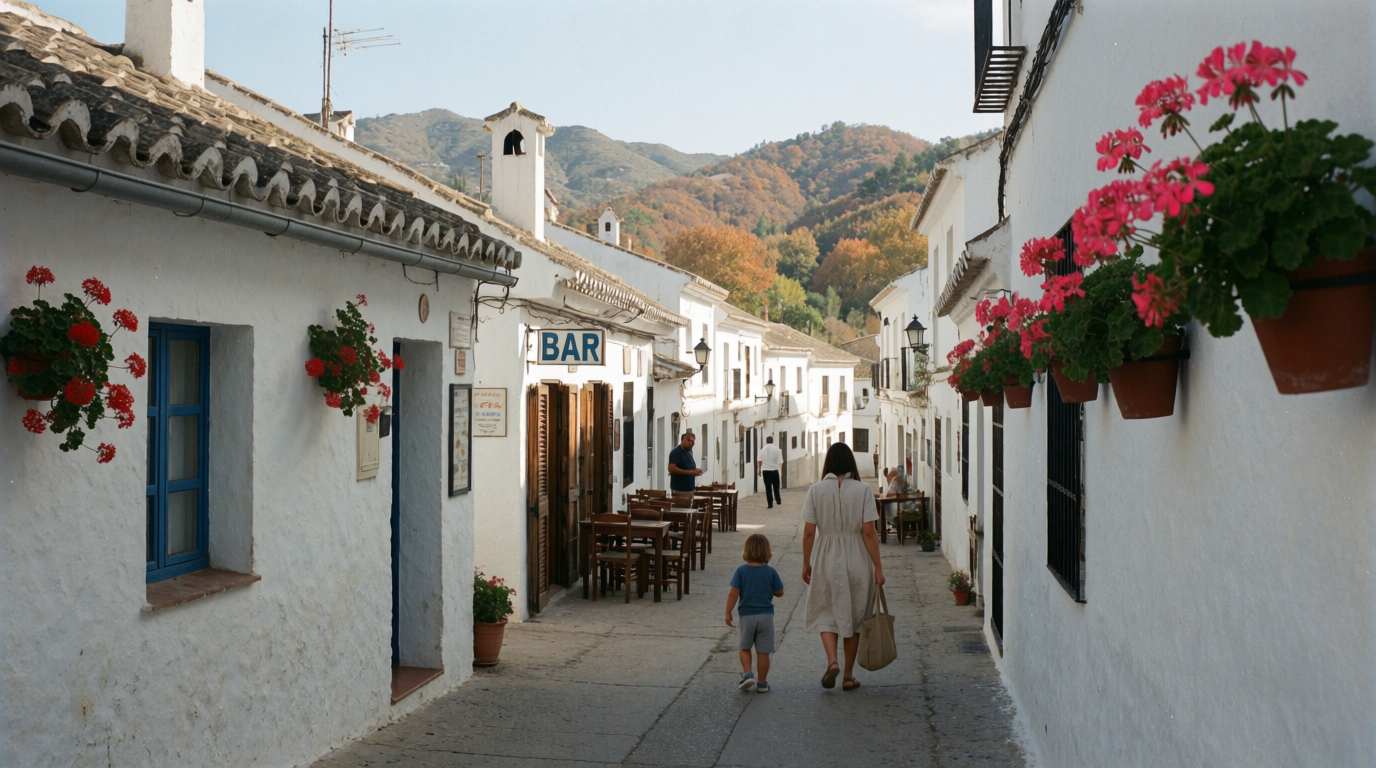
The market you buy into is the one outside your window in winter, not the one in a brochure.
Why autumn is a useful time to look
October is a good month to see a town as it really is. The heat has eased, so you can walk a neighbourhood for hours. The shops, bars and bakeries you would use every day are open, and the seasonal pop-ups are gone.
It is also a sensible time to test practical questions. How long does it take to reach the airport on a weekday morning? Is parking easy near the building? Is the community quiet at night? Does the street flood in heavy autumn rain? These are things a listing cannot answer.
If you are comparing a few places, try spending two or three days in each, with no viewings at all, simply living as a resident would. Shop at the market, take the bus or the train, sit in the same cafe at the same hour. A town that still feels right after a few ordinary days is worth a longer look.
What this means for your search now
Start with the question of who you are buying for. A holiday base, a future retirement home and a place to live full time lead to very different shortlists, and the market numbers matter less than that decision.
Next, set your budget as a total, not a price. On top of the purchase price, there are taxes, notary and registry fees, legal help, and the running costs of a community and a home. Ask a local lawyer for a realistic total for the specific property, and check any tax or rule against the official source, such as the Agencia Tributaria or the regional government, because regulations change and the details depend on your situation.
Then compare prices the sensible way. Asking prices, appraisals and registered prices tell you different things, so look at all three when you can. Be wary of any conversation that tries to hurry you. A home that is right for you will still be right after a week of thinking, and one that is not will not be improved by pressure.
Finally, keep your options open across both coasts for a little while. Many people arrive with one in mind and find that the other suits them better once they have spent a few mornings there.
When you are ready to talk
Penrose Bay is not an estate agency, and we do not sell property. What we do is help you understand what living on these two coasts really takes, and, when you are ready, introduce you to vetted local experts who can look at the details with you.
If you would like to talk through where to begin, or which of the two coasts might suit you, get in touch. We are happy to start with a conversation, and there is no hurry.

The introduction
The local expert who knows this coast
We are not the estate agency. We are the introduction. When a piece like this turns into a plan, we connect you with a vetted local expert who knows the town and speaks your language.
Find your local expert