

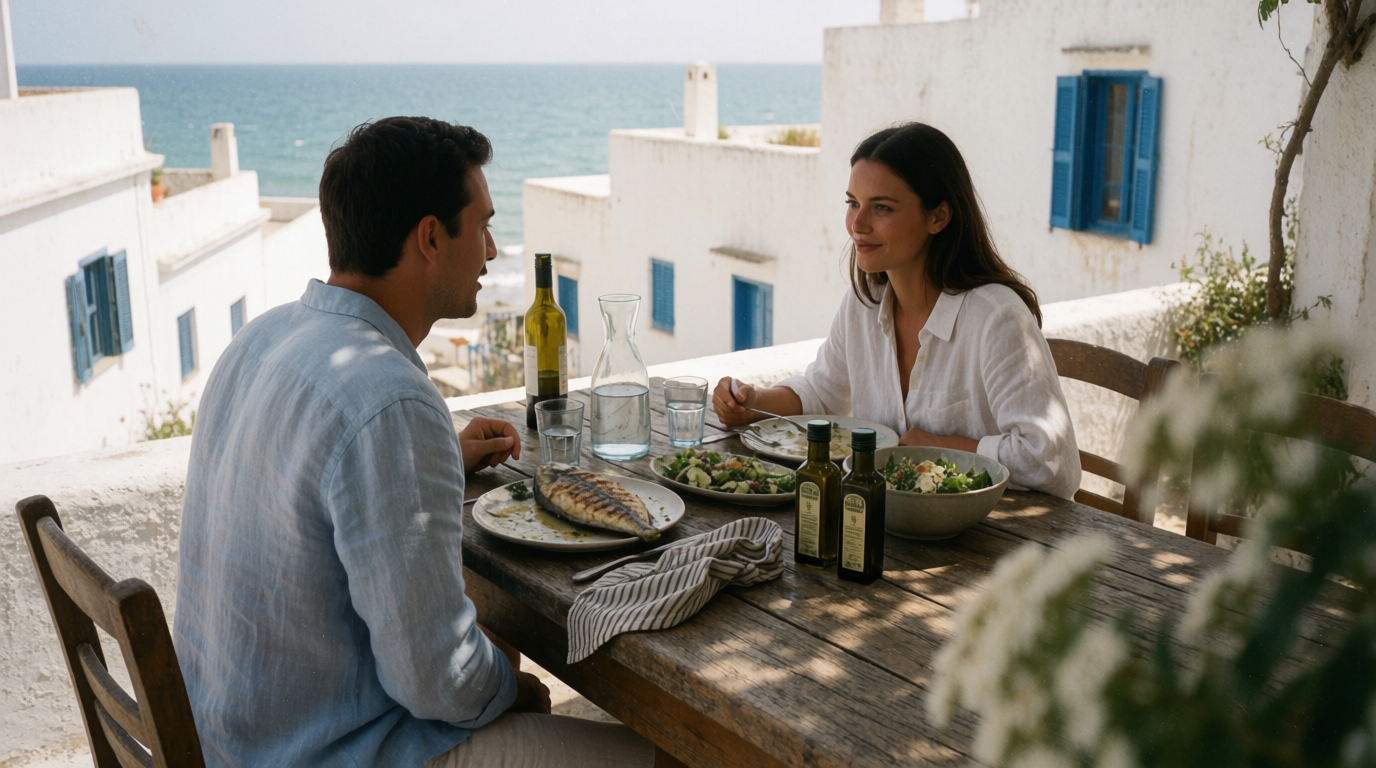
Two coasts, two markets: how to read each one this October
By Penrose Bay EditorialPublished October 19, 20265 min read
Every October brings a fresh round of headlines about the Spanish coast. Prices are up, or sales are down, or foreign buyers are arriving in force. Some of it is useful. Much of it flattens two quite different places into one story.
So this month we want to do something plainer. We will not quote a string of figures here, because the numbers move every quarter and the people who publish them do it better than we can. Instead we want to show you how the Costa del Sol and the Costa Blanca tend to differ, which official sources to read for each, and what that means if you are starting a search.
The Costa del Sol: one coast, several markets
The Costa del Sol is not one market, and it helps to stop thinking of it as one. Málaga city, with its port, its museums and its year-round life, sits in a different world from the golf valleys around Estepona and Benahavís, and again from the village streets of Nerja or the ordinary neighbourhoods of Fuengirola.
What ties it together is access and habit. Málaga airport is the gateway, the A-7 and AP-7 run the length of the coast, and a long tradition of international residents means the machinery of buying (English-speaking notaries, lawyers, community administrators) is well worn. That familiarity is a real comfort. It is also why asking prices in the best-known areas can drift away from what is finally registered, which is worth remembering whenever you read an average.
The practical point is that a coast-wide figure tells you very little about the street you have in mind. A flat in a Málaga neighbourhood and a villa above Marbella are not competing for the same buyer, and the sources that publish by municipality will serve you far better than the ones that publish by province.
The Costa Blanca: north and south are not the same
The Costa Blanca has its own split. The northern stretch, with Jávea, Moraira, Calpe, Altea and Benissa, is a landscape of hills, small harbours and old towns, where homes are often villas on slopes or apartments close to a marina. Further south, around Torrevieja and the Orihuela Costa, the picture is broader beaches, planned developments, and a large stock of apartments and bungalows that suit lock-up-and-leave living as well as year-round residence.

Alicante city sits between the two as a proper working city with a port, a university and its own rhythm. Alicante-Elche airport and the road and rail links to Madrid and Valencia are part of why people consider it.
The Valencian Community also sets its own regional taxes on resale purchases, and Andalucía sets its own. The rates are different, and so the cost of buying on one coast is not automatically the cost on the other. We have written about how that gap has been changing, and the sensible habit is to check the current regional rate with a local gestor or the regional tax authority before you compare two homes on price alone.
Where to read the numbers yourself
There are four or five places worth keeping open in a browser tab, and they each answer a different question.
- The Instituto Nacional de Estadística (INE) publishes monthly transmission figures, showing how many homes actually changed hands, by province.
- The Colegio de Registradores publishes registered sales and prices, including a breakdown by the nationality of buyers.
- The Notariado publishes data drawn from signed deeds, which is the nearest thing to what was actually paid.
- The Banco de España reports on mortgage lending and interest rates.
- The Agencia Tributaria sets out the national tax rules, including those for non-residents.
Read together, these will tell you more than any single headline. If one of them shows prices rising while another shows fewer sales, that is not a contradiction. It can simply mean that fewer homes are selling and the ones that do are the better ones.
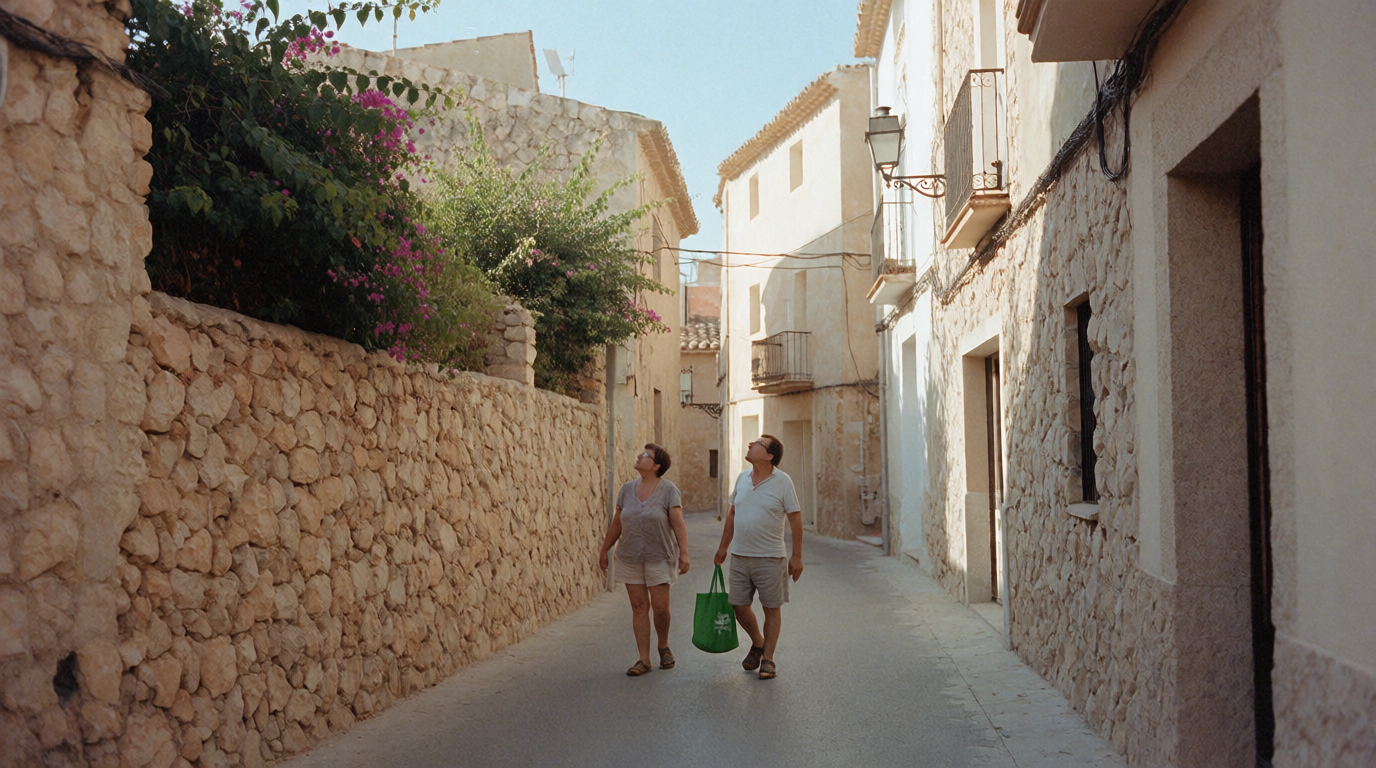
What actually changes your search
A few things move the day-to-day reality of buying more than any average does.
First, the buyer mix differs by area. The registrars' nationality tables are a good way to see which communities are most active in the town you like. That tells you something about the resale market, the services around you and the language you will hear at the bakery.
Second, rules for non-residents and for foreign visitors have been shifting in recent years, from residency routes to how long you may stay without becoming resident for tax. These details change, and we would rather send you to the Agencia Tributaria and a local adviser than summarise them from memory.
Third, borrowing. If you plan to take a Spanish mortgage, the Banco de España's published rate data is the honest starting point, and a broker who works with several banks will show you what is available to a non-resident today.
A good average tells you where the coast has been. Only the street, the building and the paperwork tell you whether a home is right for you.
What this means for starting your search
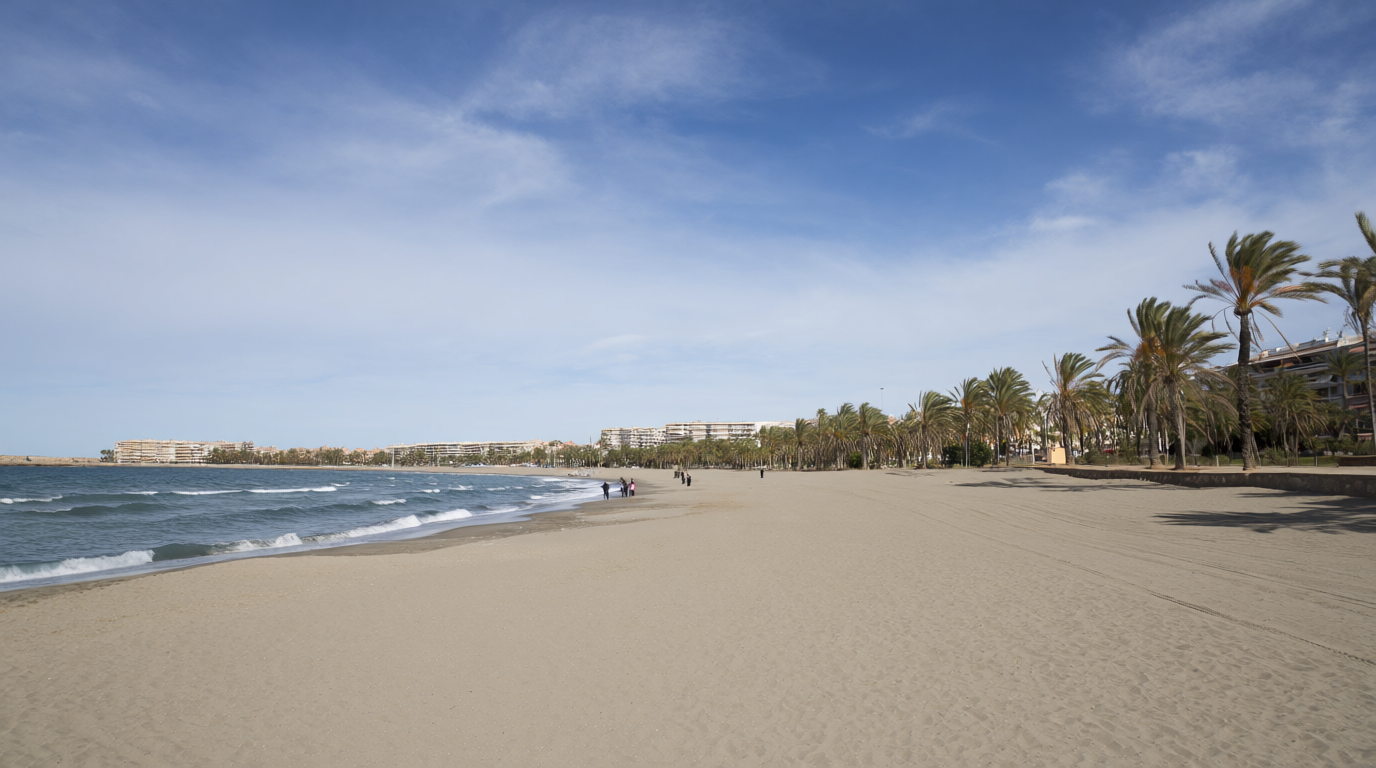
Begin with the coast that suits the life you want, and then narrow to a town. Spend a few days in two or three places outside high summer, when the cafés, the traffic and the parking show you how the town actually lives.
Compare asking prices with registered ones for the same area, using the sources above. Ask what the community fees are, what the building's recent works have cost, and whether the licence situation is clean. None of this is about hurrying. A search that takes a season is usually a search done well.
Budget for the whole cost of buying, not just the price: the regional transfer tax or VAT, notary and registry fees, legal help, and your first year of running costs. A local lawyer or gestor can give you a figure for your specific purchase.
When you are ready to talk
Penrose Bay does not sell property, and we will never push you toward a decision. If you would like a calm conversation about which coast and which town might suit you, or an introduction to a vetted local lawyer, adviser or agent, get in touch. We would be glad to help you take the next step at your own pace.
The introduction
The local expert who knows this coast
We are not the estate agency. We are the introduction. When a piece like this turns into a plan, we connect you with a vetted local expert who knows the town and speaks your language.
Find your local expert