

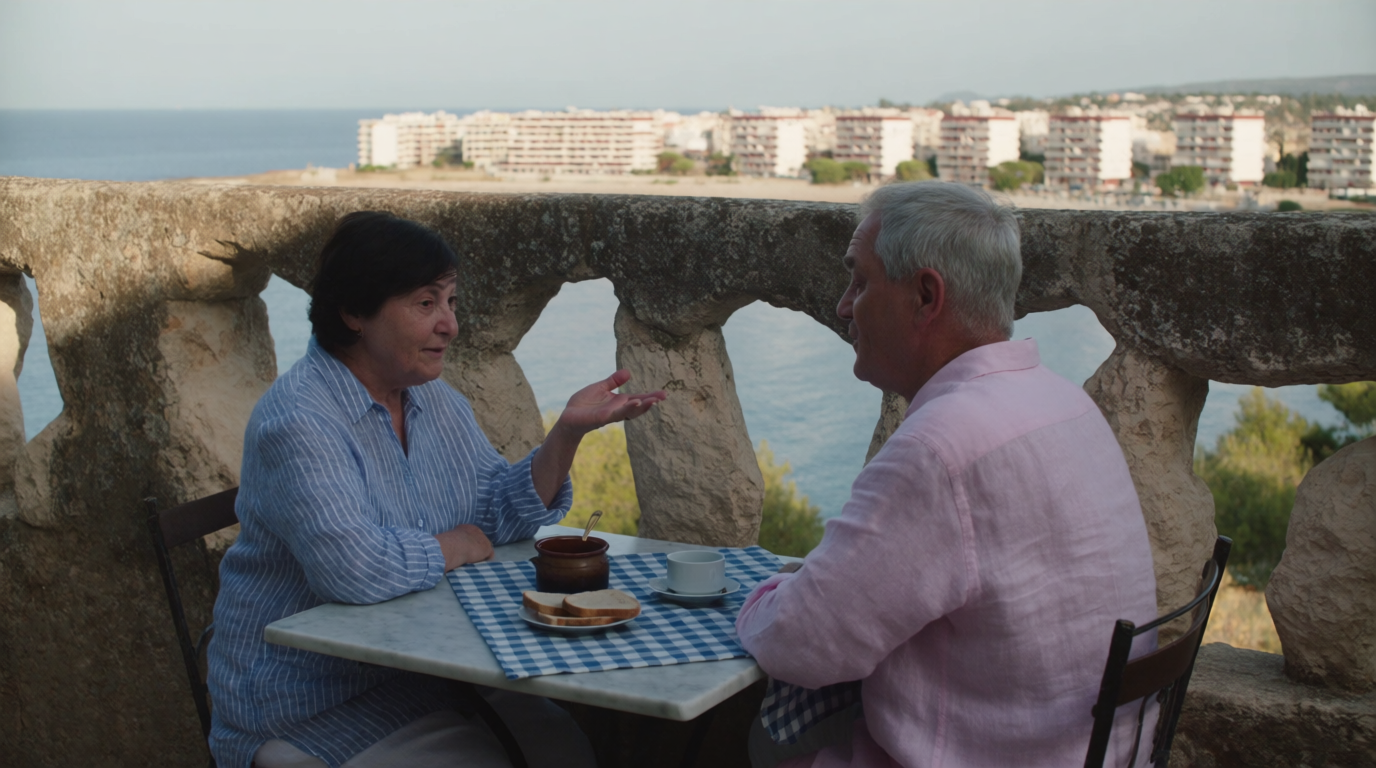
Prices, buyers and borrowing: the coastal market this September
Door Penrose Bay EditorialGepubliceerd 9 september 20265 min leestijd
September on the coast usually brings a certain clarity. The summer crowds thin, the market's real buyers reappear after the August lull, and the numbers from the first half of the year settle into a picture we can actually read. This year, that picture has three threads worth pulling on: prices, who is doing the buying, and what it now costs to borrow.
None of this is dramatic. It is, instead, the sort of steady, slightly uneven progress that rewards someone who reads it carefully rather than reacts to a headline.
Prices are still climbing, unevenly
On the Costa del Sol, the direction has been firmly upward. Felicity Estates, a Marbella-based agency, put the average price across the coast at around 3,800 euros per square metre by the end of last year, a rise of some 13 to 14 percent on the year before. Marbella itself has moved further and faster: according to figures reported by The Spanish Eye, the average value there reached 3,641 euros per square metre in the first quarter of 2026, up over 20 percent in twelve months, though the same reporting noted the pace of increase beginning to soften.
The Costa Blanca has seen a similar story with different numbers. Tinsa, the property appraisal firm, put average prices across Alicante province at 1,877 euros per square metre in the first quarter, an annual rise of 18.3 percent according to the Olive Press. Within that average sit some sharp differences: Jávea, Teulada and Denia are the province's most expensive towns to buy in, with Jávea reported at 3,455 euros per square metre, while Benidorm has climbed to around 2,786 euros per square metre, itself up over 20 percent on the year.
What this tells us is not that everything is rising equally. It is that established, well-served towns on both coasts, Marbella and Estepona on one side, Jávea and Denia on the other, continue to draw the deepest demand, while quieter inland and second-tier coastal towns are moving at a gentler pace.
Who is actually buying
Foreign buyers are taking a larger share of a smaller overall market. Idealista's analysis of registrar data found that non-Spanish buyers accounted for a record 15.98 percent of home purchases nationally in the second quarter of 2026, more than 26,800 transactions, even as the total number of sales across Spain fell. British, German and Dutch buyers have led that group through 2025 and into this year, with Dutch buyers reportedly overtaking others to move into second place in the closing months of last year.
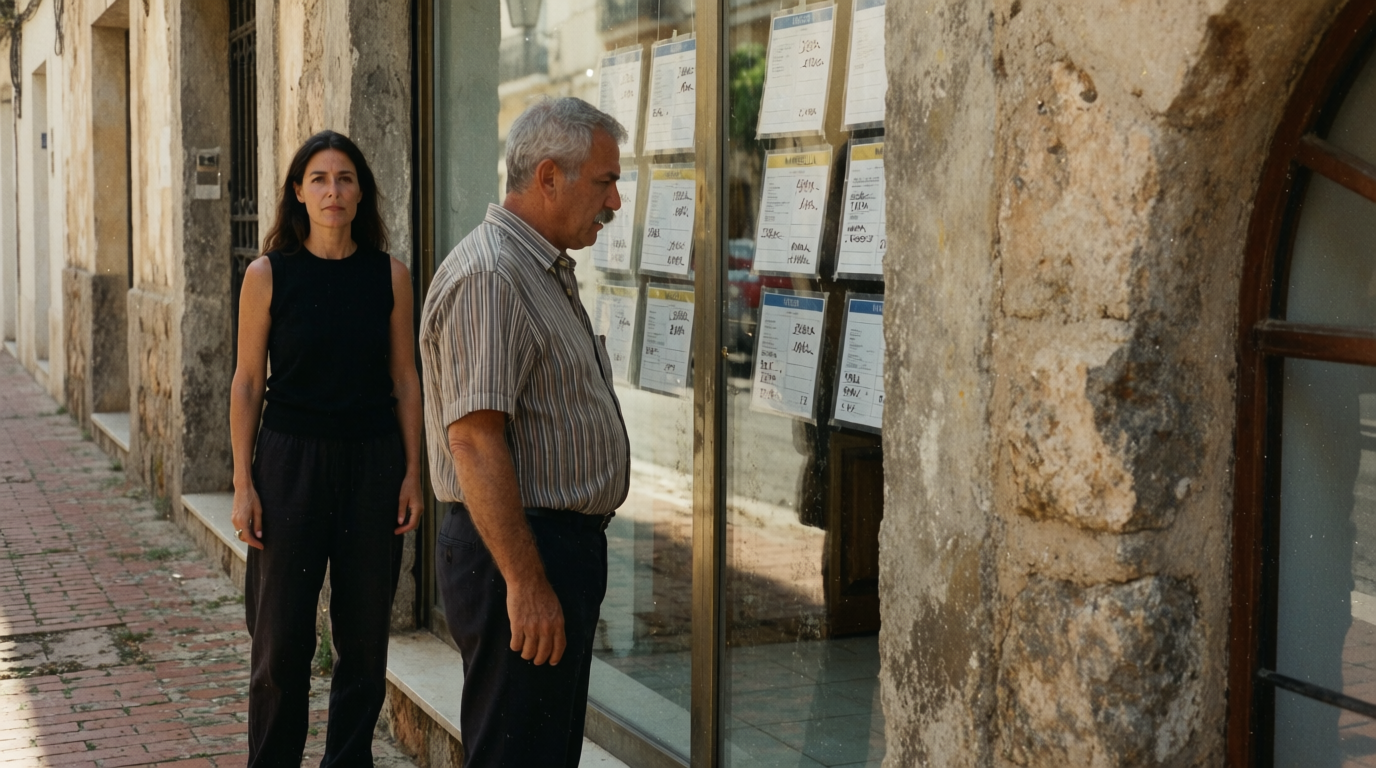
That matters for the coast specifically, because it is exactly this mix, British buyers returning in steady numbers, German buyers with a long-standing habit of the Costa Blanca, and a growing Dutch presence, that shapes demand in the towns we cover. It is a market with more competition for well-priced property in the right locations, not a market flooded with buyers everywhere at once.
Borrowing costs are edging up
After nearly three years without a move, the European Central Bank raised its key interest rate in June 2026, and mortgage brokers have watched the 12-month Euribor climb in response, reportedly moving from around 2.7 percent in early July to roughly 3.1 percent by late summer, according to Foxes, a Spain-based mortgage brokerage. It is a real change after a long period of calm rates, though still well short of the levels seen a few years earlier.
For anyone financing part of a purchase, this is worth building into the numbers now rather than assuming the rate you saw quoted in spring still holds. Fixed-rate deals remain available and are worth comparing properly against variable options, particularly for a buyer who values a predictable monthly figure over the possibility of a future dip.
The rules worth knowing
Spain's Golden Visa, the route that once granted residency to non-EU buyers investing 500,000 euros or more in property, closed to new applicants in 2025. Anyone who already holds residency through that route keeps it, but a new property purchase alone no longer opens that door. Buyers who want to live in Spain, rather than simply own here, now need to look at routes such as the non-lucrative visa, a work permit, or family reunification.
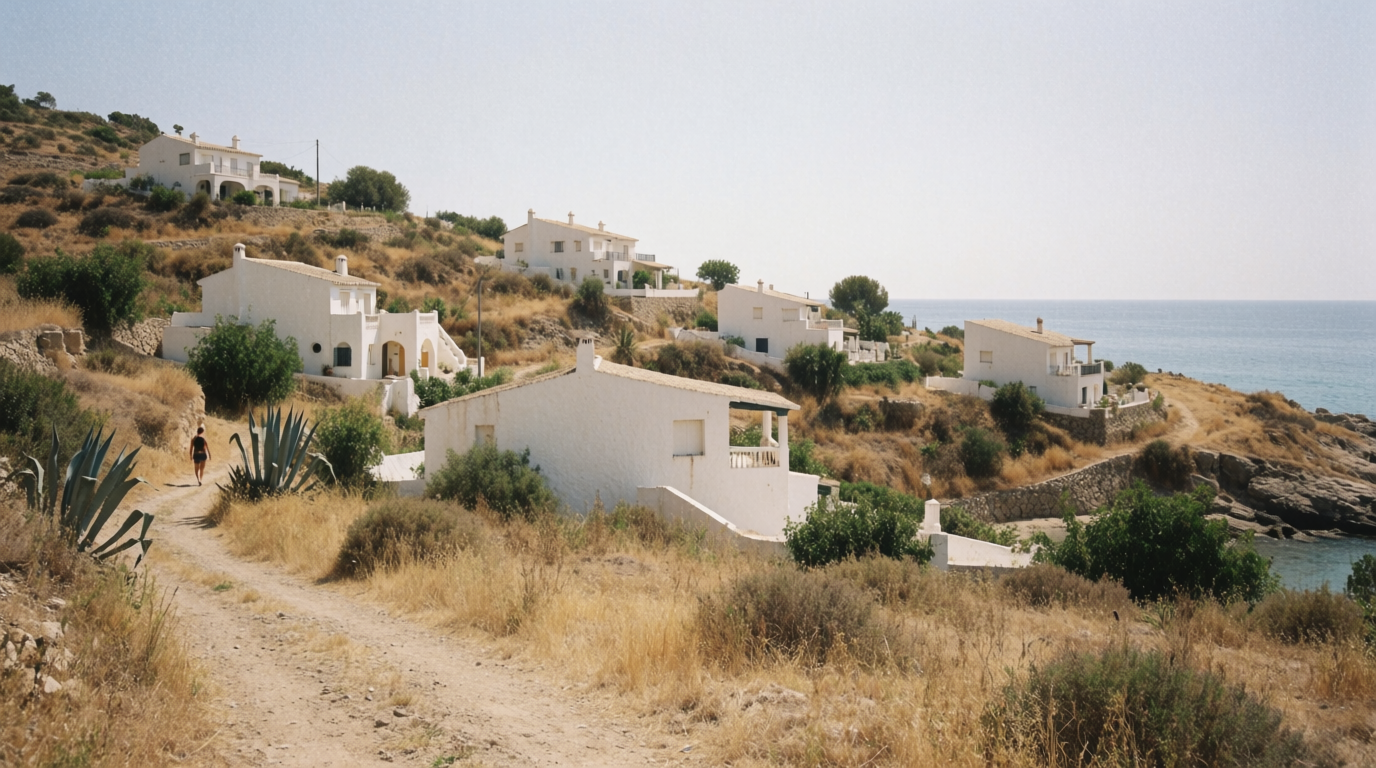
Separately, there has been ongoing political discussion in Madrid about a much higher tax on property purchases by non-resident, non-EU buyers, following comments from the Spanish government. As of the most recent reporting we have seen, no such measure has actually passed into law, and the practical position for a British or other non-EU buyer today remains what it has been: standard transfer tax and the usual non-resident obligations, nothing more. We would treat this as one to watch rather than one to plan around.
What this means if you are starting a search now
None of this points to a market in crisis, nor to one you need to rush into. It points to a coast where good property in well-established towns continues to find buyers quickly, where financing costs a little more than it did in spring, and where the paperwork around residency has shifted in ways worth understanding before you fall for a particular house.
A market like this rewards patience and preparation more than speed.
Practically, that means getting your financing conversation started early, understanding which of the two coasts, and which town within it, actually fits how you plan to live, and treating the current tax and visa position as a snapshot rather than a fixed rule, since Spain's framework for non-resident buyers continues to shift.
If you would like to talk through what any of this means for your own search, on either coast, we are always glad to help you think it through, and to introduce you to the local people who can take it further when you are ready.

De introductie
De lokale expert die deze kust kent
Wij zijn niet het makelaarskantoor. Wij zijn de introductie. Wanneer een artikel als dit een plan wordt, brengen we je in contact met een gecontroleerde lokale expert die de plaats kent en jouw taal spreekt.
Vind uw lokale expert