Chiringuito culture done properly, from the first espeto
By Penrose Bay EditorialPublished October 9, 20265 min read
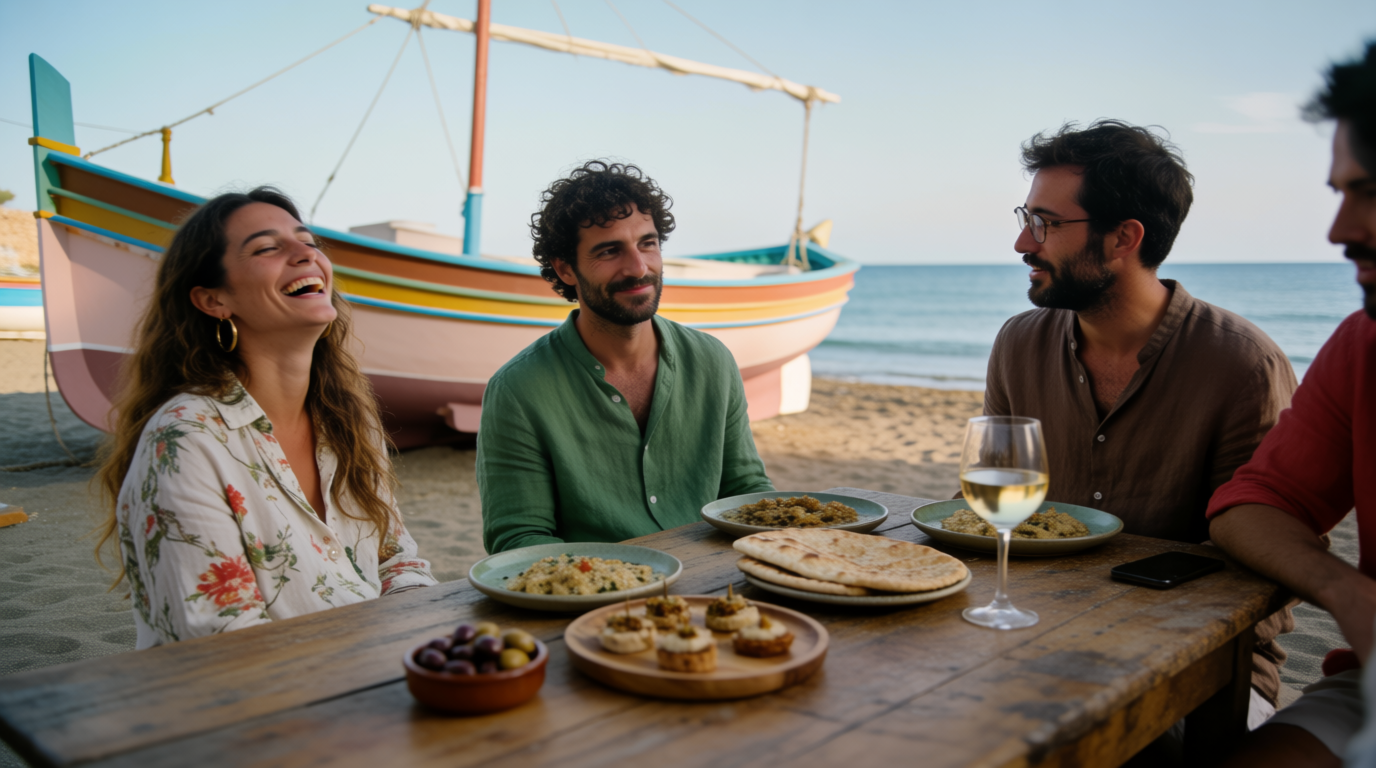
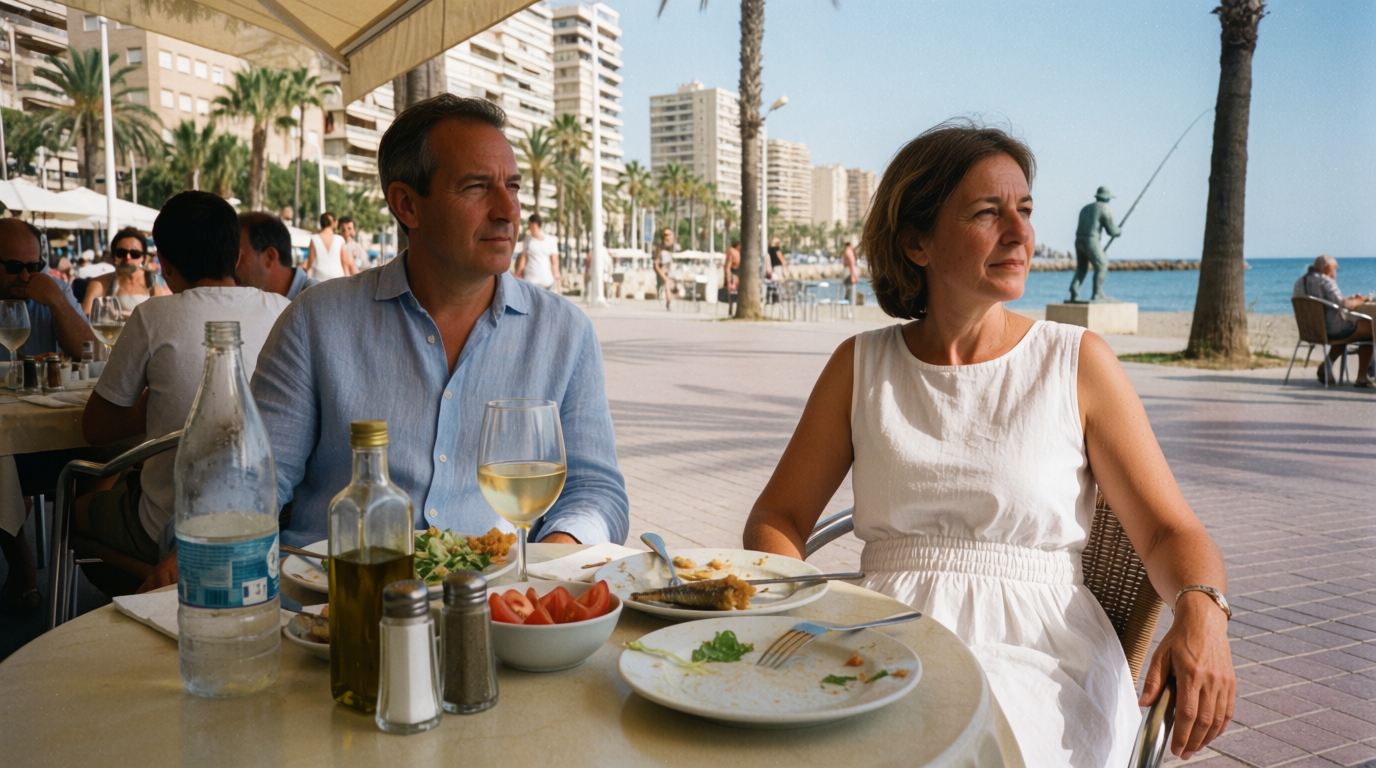
There is a particular kind of lunch that only makes sense on the coast. The table is wooden and a little uneven, the floor is sand, and the sea is close enough that you can hear it between conversations. Nobody is dressed up. Nobody is watching the clock.
This is the chiringuito, and it is easy to mistake it for a simple beach bar. It is closer to a small institution: part kitchen, part meeting place, part way of marking the weekend. If you are thinking of living here, or already do, learning to use one well is one of the quicker routes from visitor to local.
What a chiringuito actually is
The word covers a lot of ground. At one end you will find a shack with a handful of tables and a short blackboard of fish. At the other, a full beachfront restaurant with a proper kitchen, a wine list and a waiting list on Sundays. What they share is the setting, and an understanding that you came to stay a while.
The best ones are plain about what they do. A short menu, built on what the boats and the market brought in, usually beats a long laminated one with photographs. If the list runs to pizza, burgers and a paella for every table, it is worth walking a little further along the sand.
The espeto, and why the fire sits in a boat
On the Costa del Sol, especially around Málaga, the dish that defines the form is the espeto. Fresh sardines are threaded onto cane skewers, salted with coarse salt, and set upright around a fire of olive wood. The fire is not on a grill. It is built inside an old wooden boat, or a half hull made for the purpose, filled with sand.
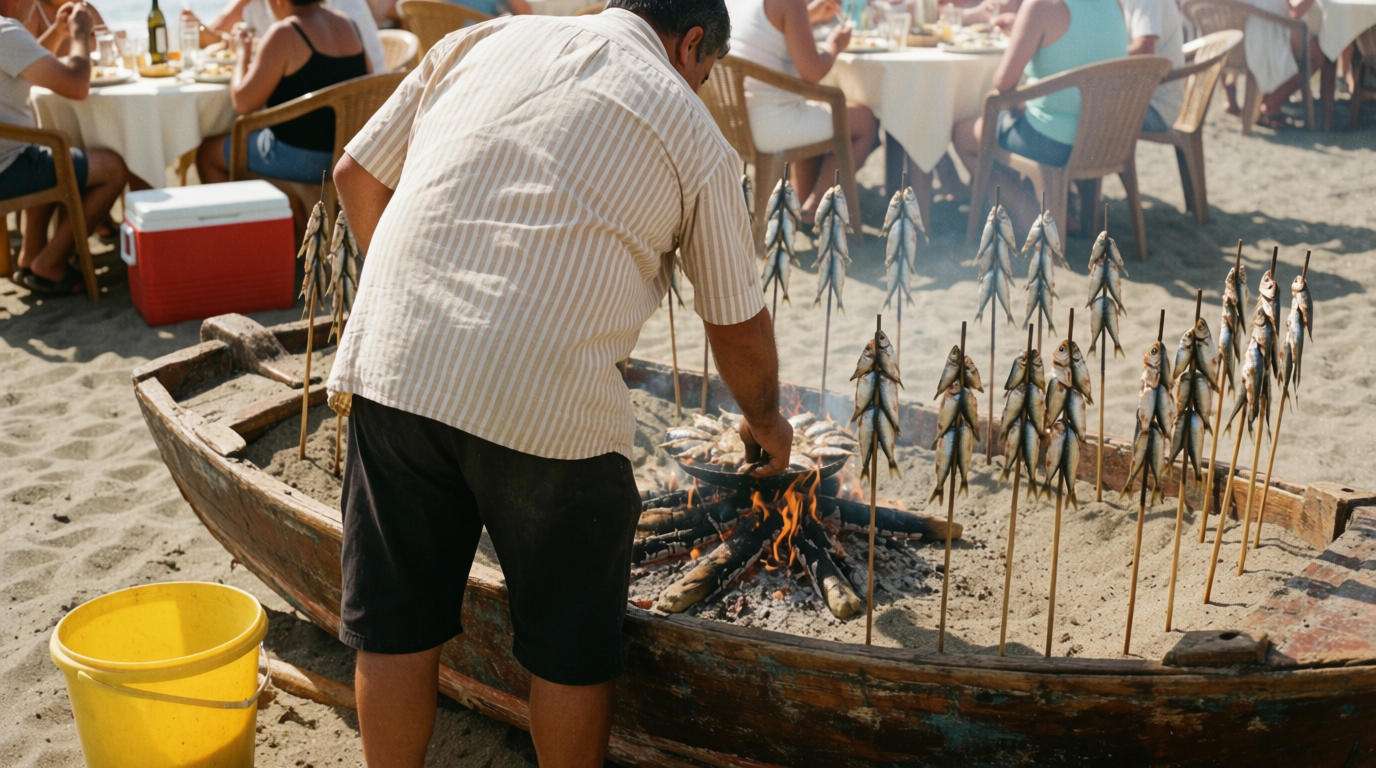
It looks like theatre, and it is, but it is also simply a very good way to cook a sardine. The skin blisters, the flesh stays soft, and there is almost nothing between you and the fish. Locals will tell you that sardines are at their best in the summer months, and the old saying about eating them only in months without an r in the name points the same way.
The stretches east of Málaga city, around Pedregalejo and El Palo, are famous for it. You will find espetos all along the coast, from Torremolinos to Fuengirola, Marbella and beyond, and the pleasure is in comparing them.
What else arrives at the table
The espeto rarely comes alone. A good chiringuito meal tends to build in small plates, shared, in no particular order. A rough picture of what you might see:
- Boquerones fritos, small anchovies fried in a light crust
- Calamares, and the mixed fried fish the Andalusians call pescaíto frito
- Ensaladilla rusa, the potato salad with tuna and mayonnaise that every bar has an opinion about
- A plain tomato salad with good olive oil, or roasted peppers
- Cold beer, or a tinto de verano, red wine lengthened with a fizzy soft drink and plenty of ice
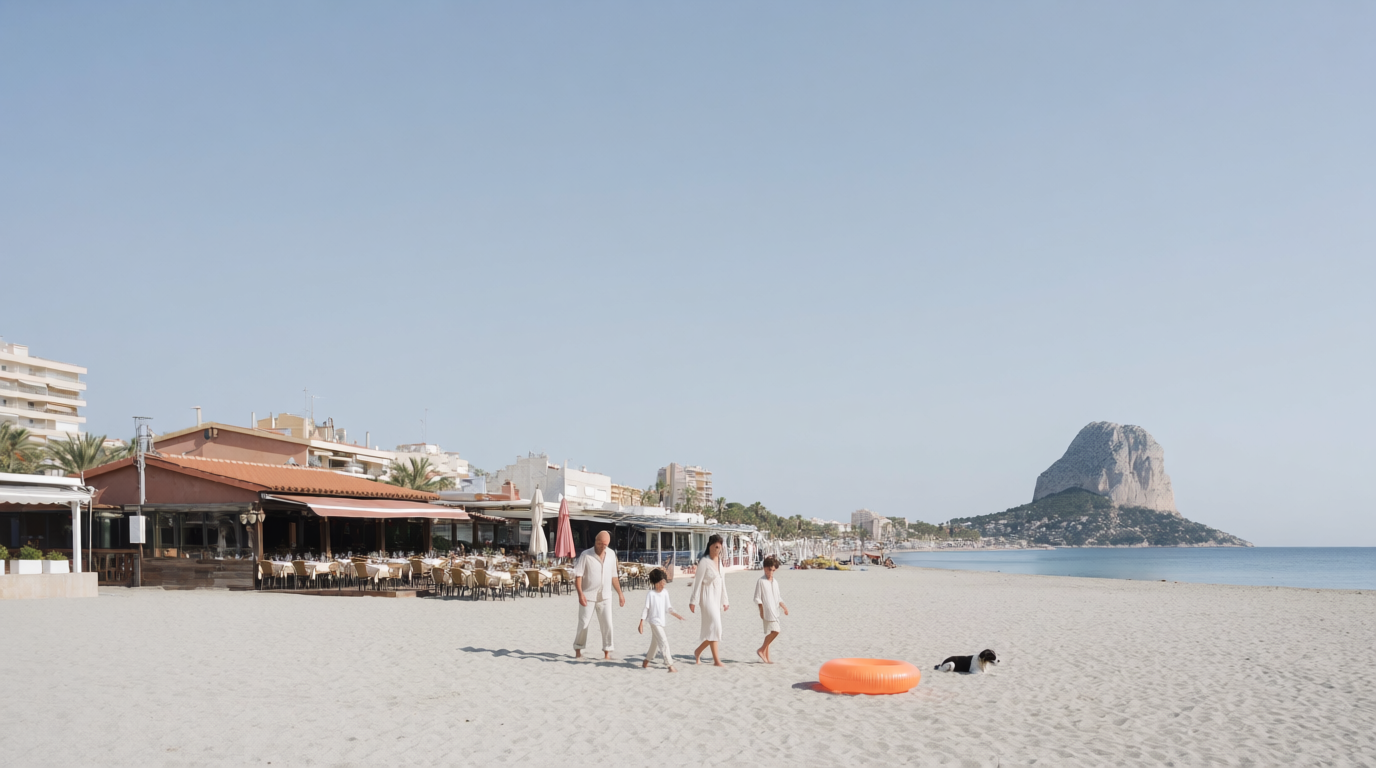
Further up the Costa Blanca, around Calpe, Altea and Dénia, the beach table leans toward rice. An arroz a banda, cooked in a fish stock and served with alioli, or a caldoso rice made to order, is the centrepiece rather than a side. Rice takes time, and is usually ordered for the whole table early on. It is a lunch that announces itself as the main event of the day.
How to read the room
A few habits will serve you well. Look at who is eating. If the tables are full of Spanish families on a Sunday, with grandparents at the head and children drifting between the sand and the table, you are in the right place. If every menu is in four languages and the staff stand at the pavement calling people in, you may be paying for the view alone.
Order in stages rather than all at once. Start with a few things to share, and let the table tell you what comes next. Nobody will mind if you linger over the last glass, and nobody expects you to leave when the plates are cleared. The table is yours for the afternoon, in the same spirit as the long sobremesa that follows any good Spanish meal.
Ask what is fresh today, and listen to the answer. The honest reply is often shorter than the menu.
The best chiringuito is not the one with the best view. It is the one where you stop checking the time.
Beyond the summer weekend
The season matters. In July and August the beachfront is loud and full, and a table without a booking is a hopeful idea. Many people who live on the coast keep their favourite chiringuitos for the shoulder months, when the light is lower, the sand is quieter, and the same sardines taste even better for the calm. Some places slow down or close in winter, while others keep a short menu going through the cooler months, so it is worth asking.
There is a quiet lesson in all of this for anyone weighing up a life here. A beach bar is not a luxury you save for a holiday. It is an ordinary, repeatable pleasure, a Sunday habit, a place you can walk to. Part of what makes a coastal home feel like yours is having a table like that in your week.
If you would like a guide
We cannot choose your chiringuito for you, and we would not want to. But if you are curious which stretch of the Costa del Sol or Costa Blanca would suit your Sundays, and what living near it day to day would look like, we would be glad to hear from you. Get in touch, and we will start with the coast and the way you want to spend your afternoons.
The introduction
The local expert who knows this coast
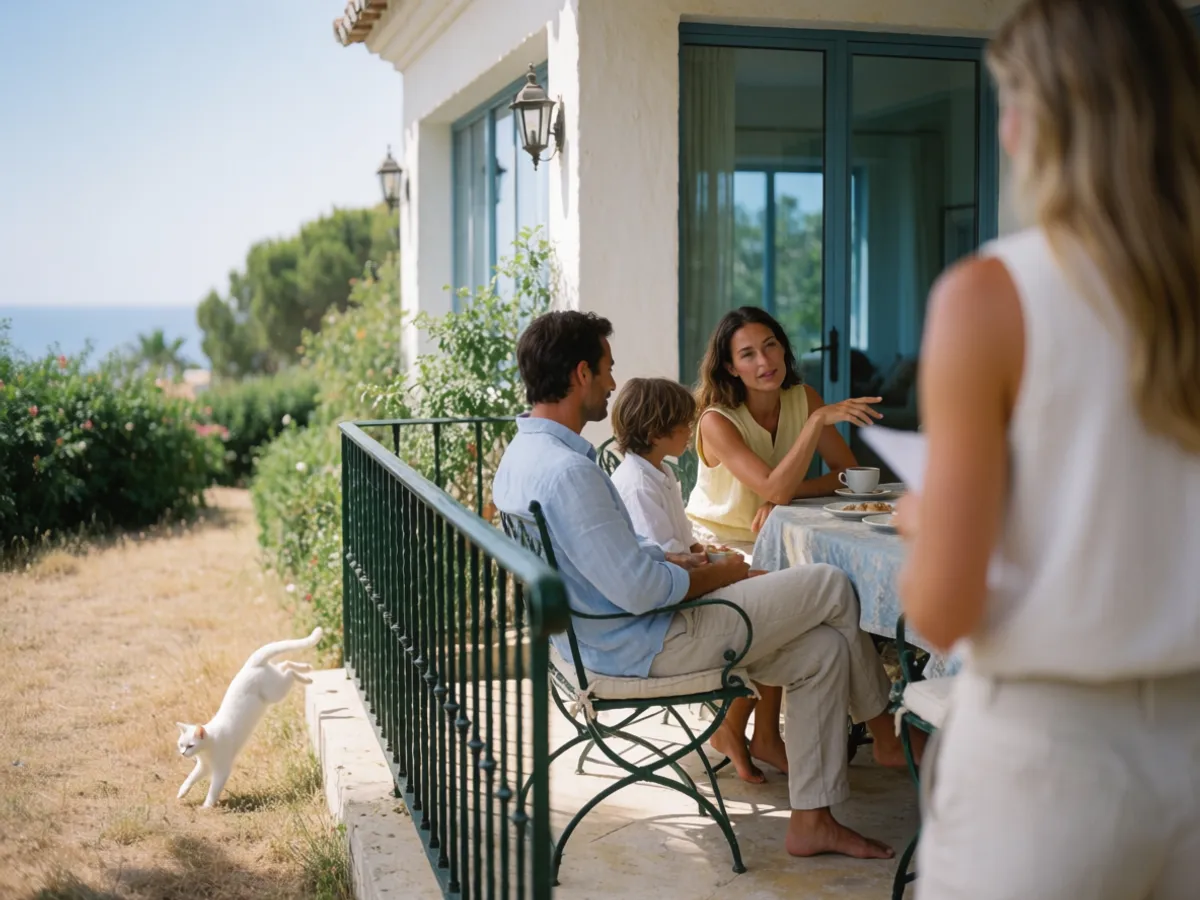
We are not the estate agency. We are the introduction. When a piece like this turns into a plan, we connect you with a vetted local expert who knows the town and speaks your language.
Find your local expert