Winter on the coast, and why locals love it most
By Penrose Bay EditorialPublished October 5, 20265 min read
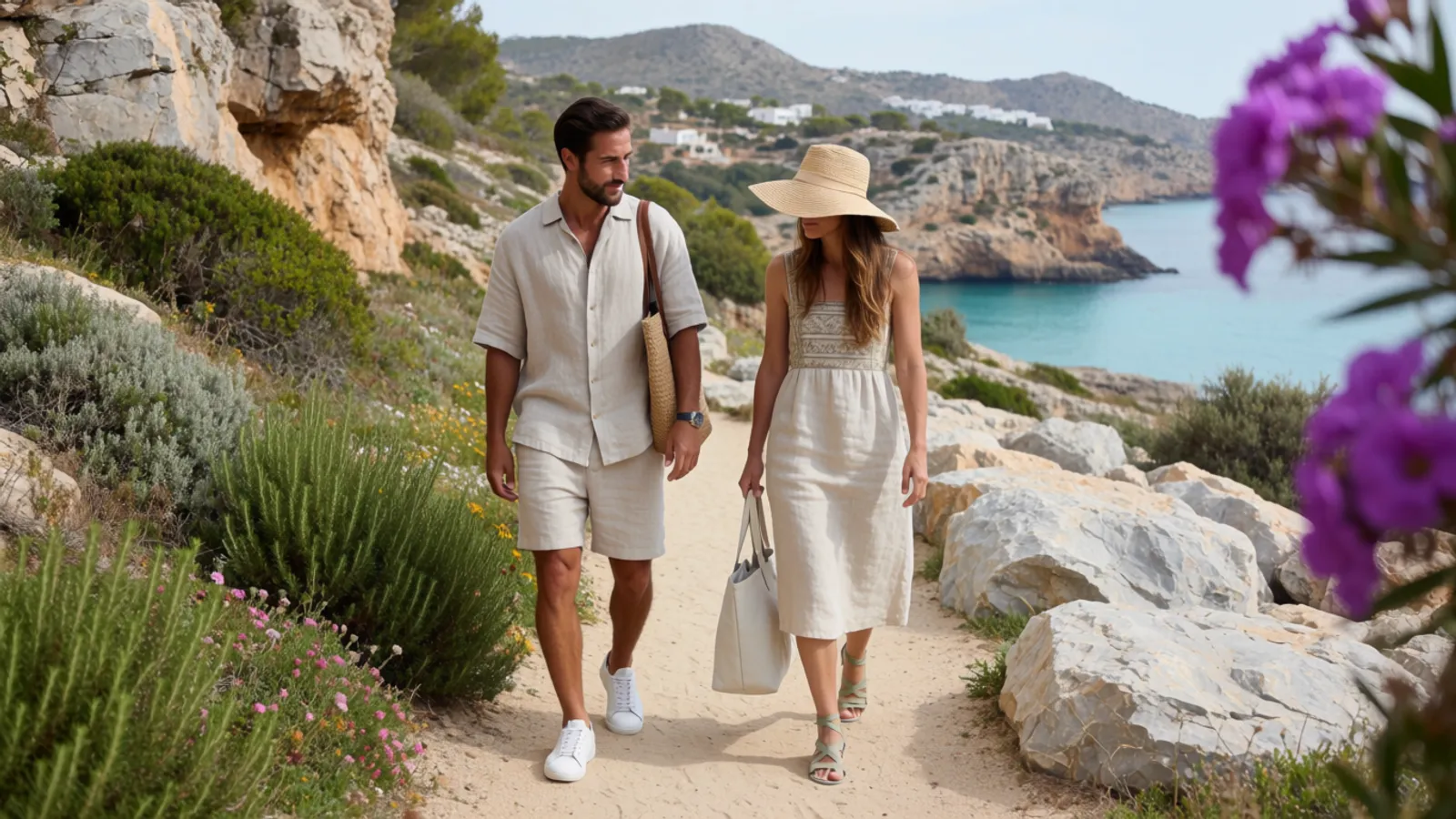
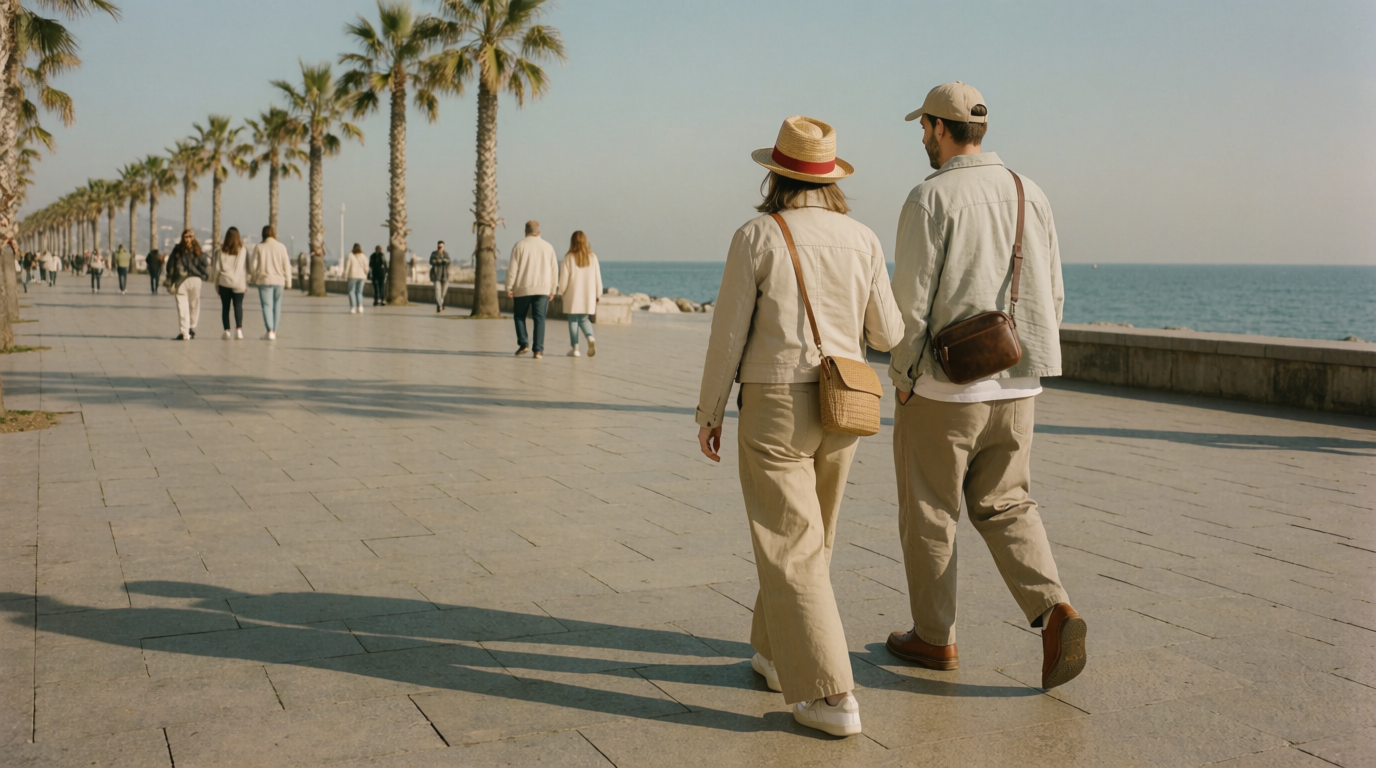
Ask people who live on the coast all year when they like it best, and a surprising number will not say August. They will say January, or February, or the long clear stretch after the clocks go back, when the beach belongs to dog walkers and the terraces are full of people who actually know the waiter's name.
Winter here is not a holiday season in reverse. It is a different way of living in the same place: slower, quieter, more local, and in many ways more honest about what a home on the Costa del Sol or the Costa Blanca is for.
If you are thinking of buying, or you already own and have only ever visited in summer, this is the season that tells you the most.
The light and the long lunch
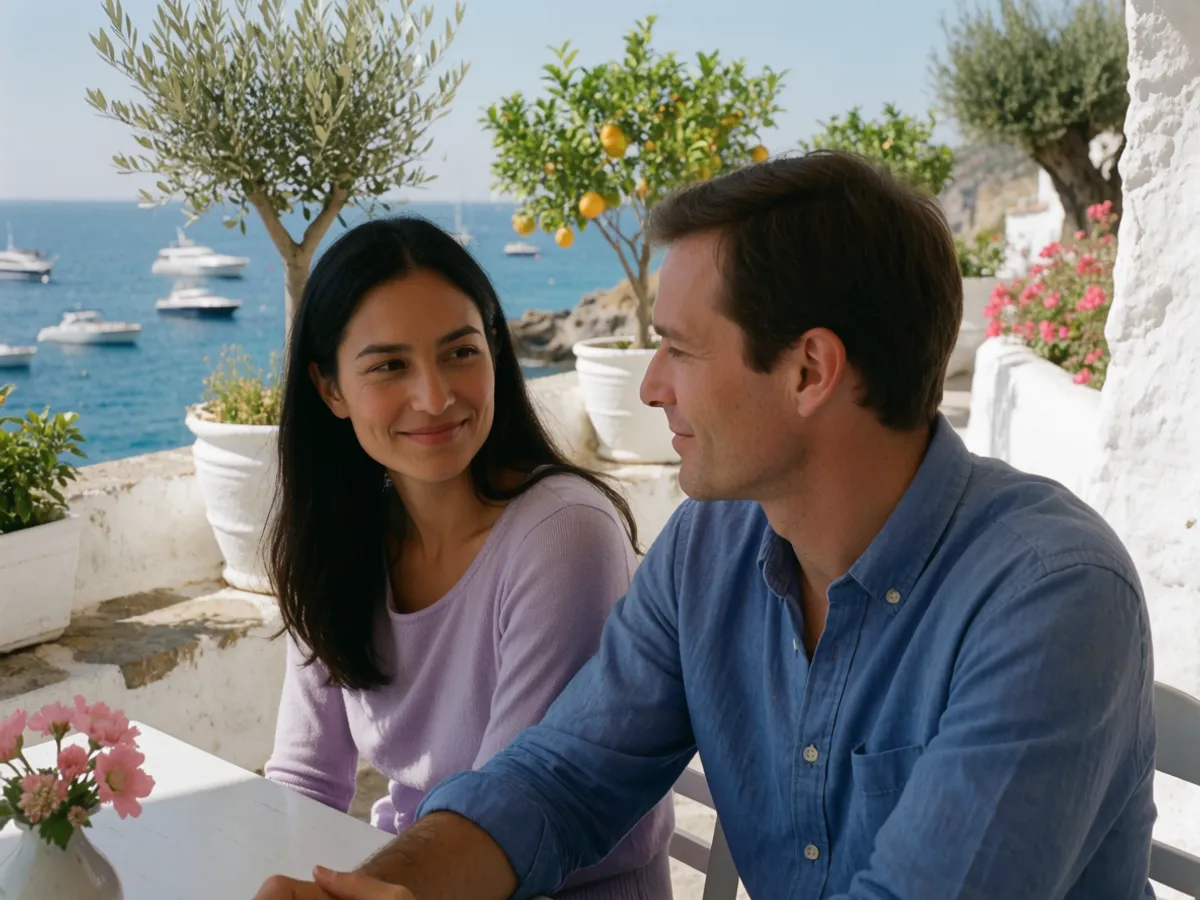
The first thing you notice is the light. Without the summer haze, the air is clear, the sea is a harder, deeper blue, and from higher ground on a good day you can pick out snow on the distant sierras. The sun sits low and stays kind, which makes midday a pleasure rather than something to hide from.
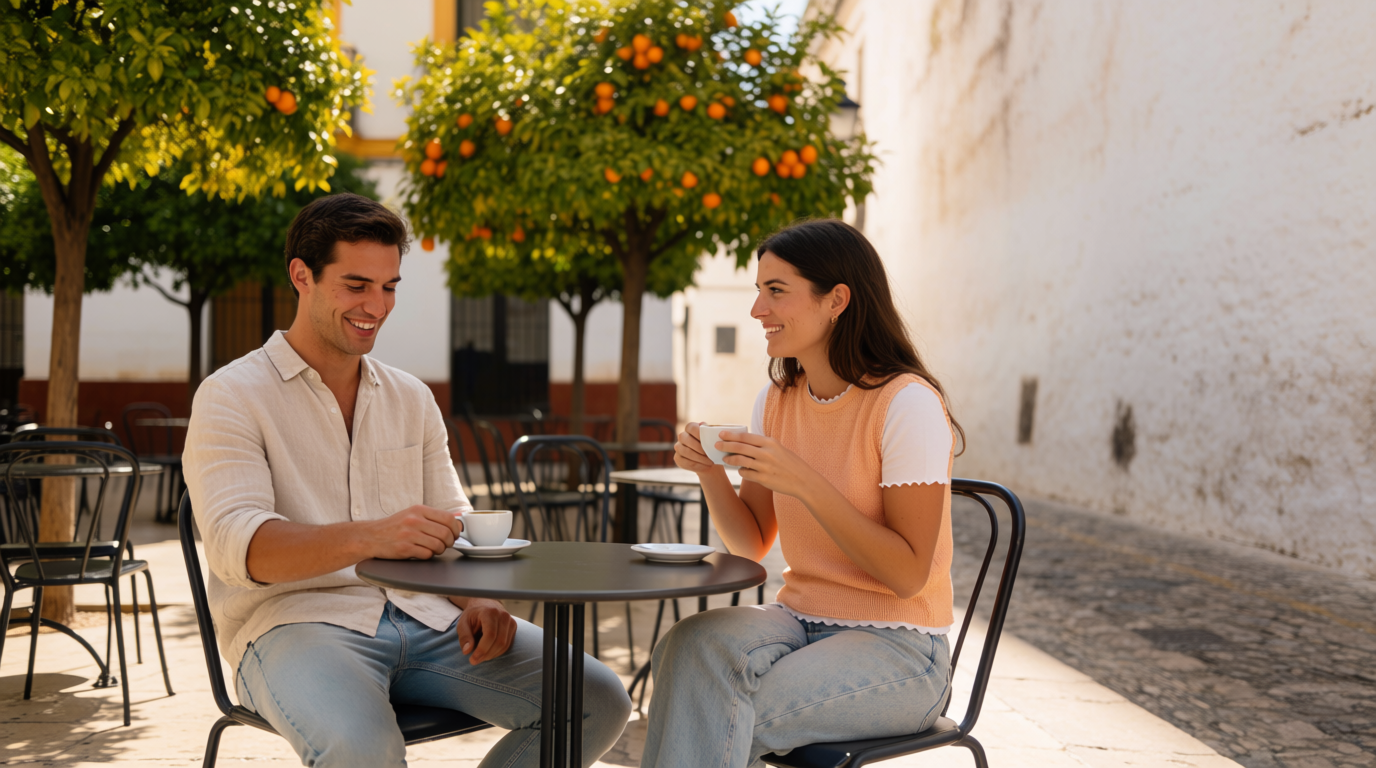
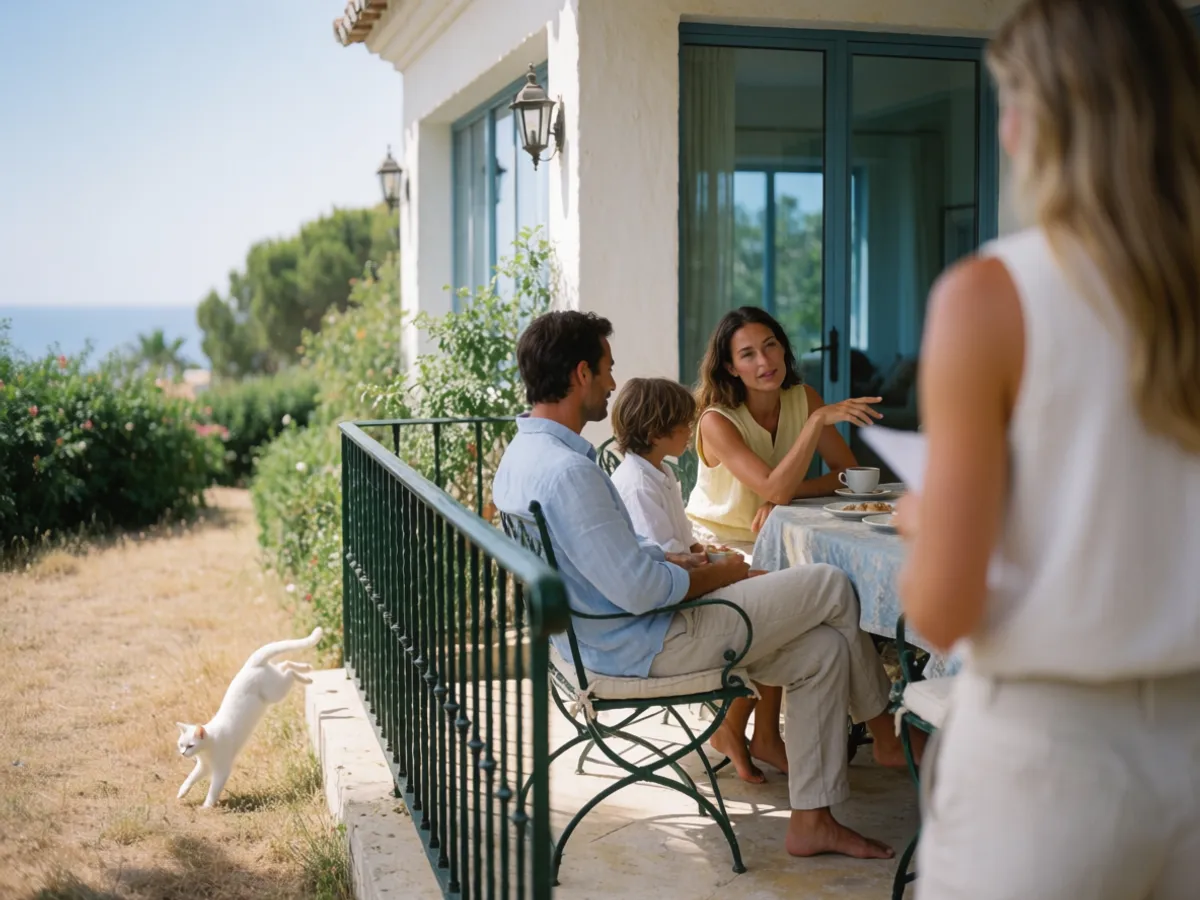
That changes how the day is spent. Lunch moves outside again, on a south-facing terrace, with a jumper over the shoulders until the sun reaches the table. Coffee in a plaza in Málaga or Altea becomes a reason to linger rather than a quick stop in the shade.
It is also when the shutters-down rhythm of the afternoon softens. The pause is still there, but you are not retreating from heat. You are simply taking your time.
Food that turns with the weather
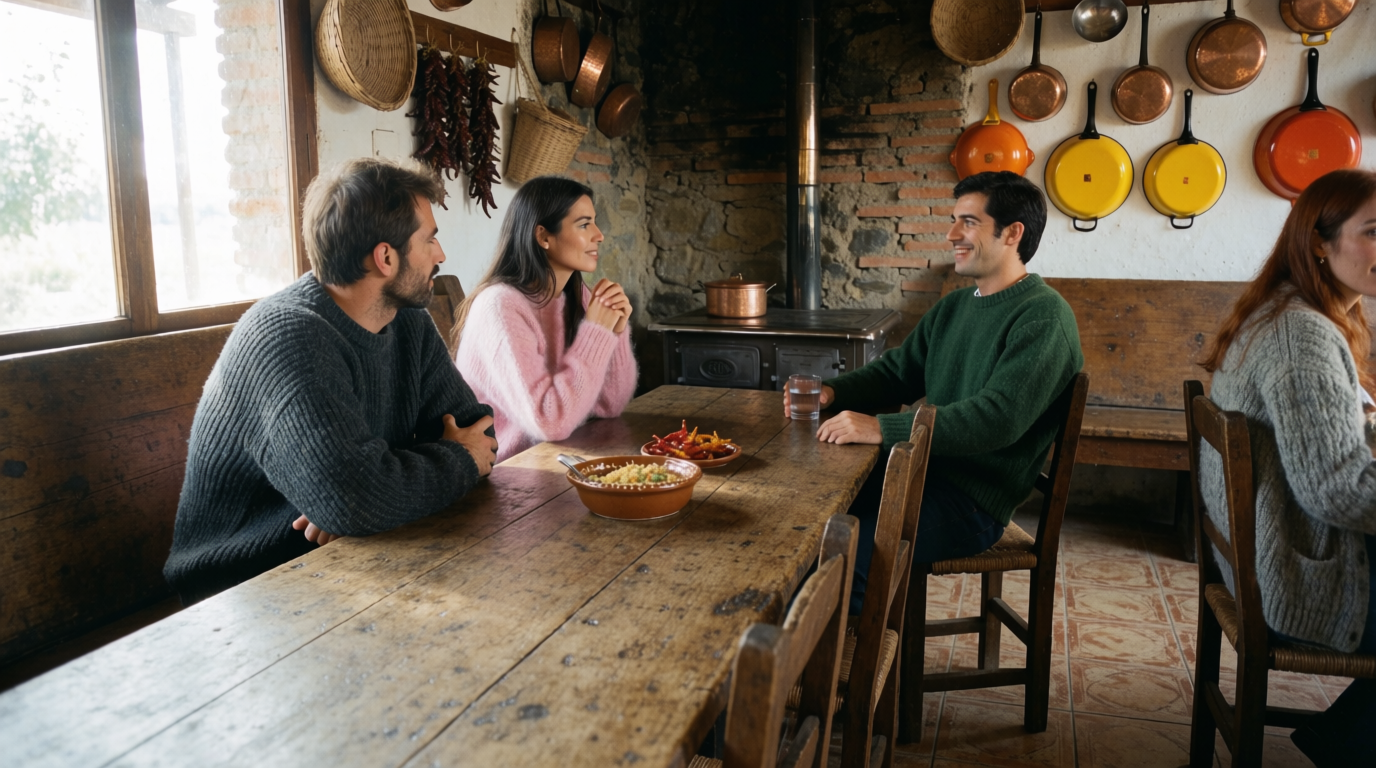
The kitchen changes with the season, and it is worth eating with it. Menus swing towards the dishes of the cold months: potaje de garbanzos, puchero, stews of beans and chorizo, and in the Málaga hills, migas served with fried peppers and whatever the venta does best.
There is a rhythm to the sweet things too. Around 1 November, for Todos los Santos, the bakeries fill with buñuelos de viento and huesos de santo. On 6 January, the roscón de Reyes appears in every window, and the line outside the good pastry shop is a small social event of its own.
Oranges hang on the trees in many town streets, and the markets are at their most abundant with citrus and winter greens. A morning at the mercado in winter feels less like a visit and more like belonging.
Summer shows you what the coast offers visitors. Winter shows you what it offers the people who stay.
A calendar of small celebrations
The coast does not go quiet in winter, it simply stops performing for tourists. The Cabalgata de Reyes on the evening of 5 January fills the streets of towns from Málaga to Alicante with families and children waiting for sweets thrown from the floats. It is one of the clearest windows into everyday Spanish life you will get.
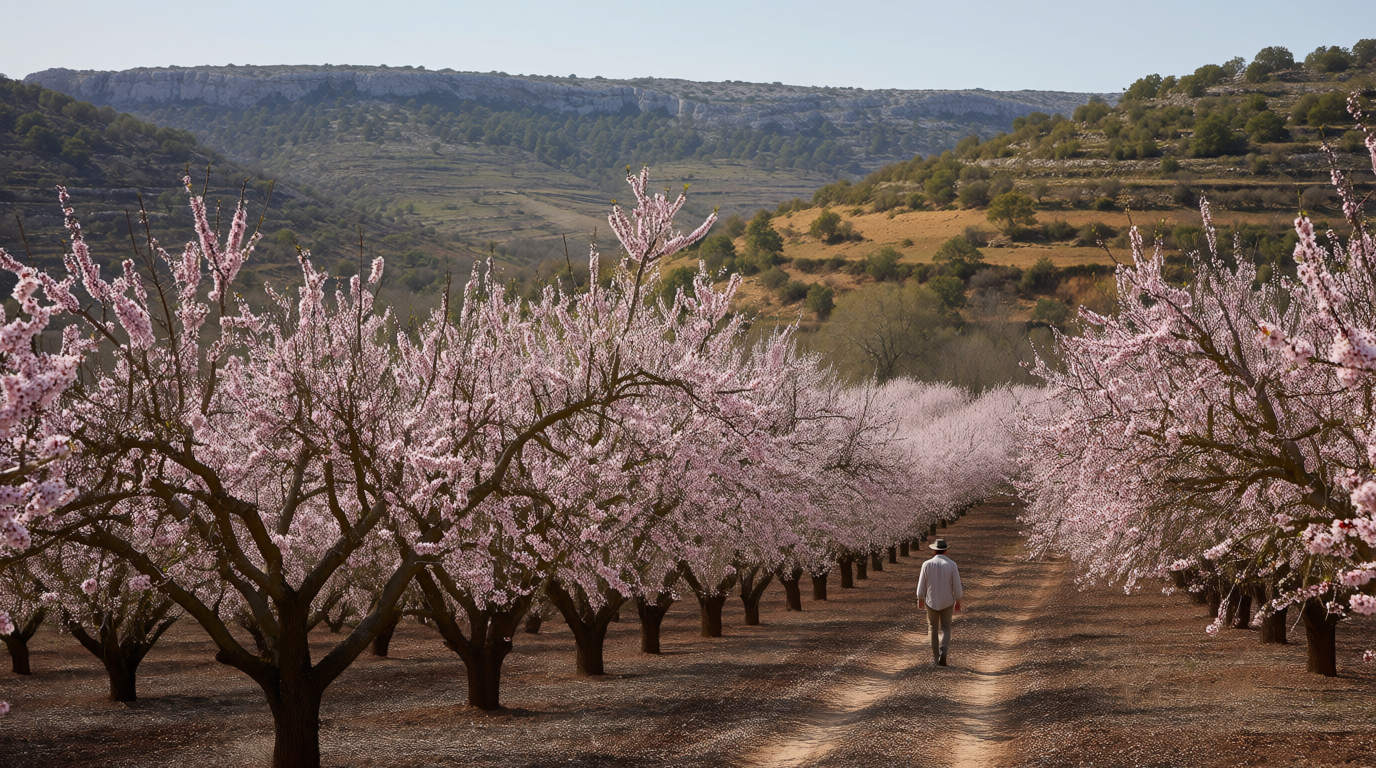
Further inland on the Costa Blanca, the almond trees of the Jalón valley come into blossom from late January into February, depending on the year. The hillsides turn pink and white, and the villages fill with walkers at weekends. On the Costa del Sol, the same weeks are for the Sierra de las Nieves, the Axarquía and the trails above Nerja, when the paths are cool enough to walk for hours.
None of this is staged. It simply happens, and you are welcome to join in.
What winter asks of a home
Winter is also honest about the house. Many coastal flats and villas are built to stay cool in summer, not to hold heat in January. Tiled floors, high ceilings and thin windows are lovely in August and rather less so on a damp February evening.
It helps to look at a home with winter in mind. A few things worth paying attention to:
- Which way the main rooms and the terrace face, and how long the winter sun actually reaches them
- What heating exists, whether air conditioning with a heat function, a stove or radiators, and what it costs to run
- Windows, insulation and any signs of damp, especially in ground floor rooms and bathrooms
- How the building and street feel outside the holiday months, including parking and neighbours who live there all year
None of this is a reason to hesitate. A well-chosen home is a delight in winter, with a sunny terrace, a good rug and a stove or a decent heater. It simply rewards the buyer who has seen it in more than one season.
Choosing your own season
Some people come to the coast for the summer and find they love the winter more. Others discover that the quiet suits them less than they expected, and that is useful to know too. Either way, a few weeks here between November and February will tell you things no brochure can: how the town feels on an ordinary Tuesday, whether you like the bar on the corner when it is half empty, how far the walk to the sea feels when nobody else is on it.
If you are weighing up where on the Costa del Sol or the Costa Blanca suits the way you want to live, we would be glad to help. Get in touch, tell us what a good winter looks like to you, and we will introduce you to vetted local experts who know each town in every season.
The introduction
The local expert who knows this coast
We are not the estate agency. We are the introduction. When a piece like this turns into a plan, we connect you with a vetted local expert who knows the town and speaks your language.
Find your local expert