
Why the shutters come down at two, and what to do until five
By Penrose Bay EditorialPublished September 3, 20265 min read
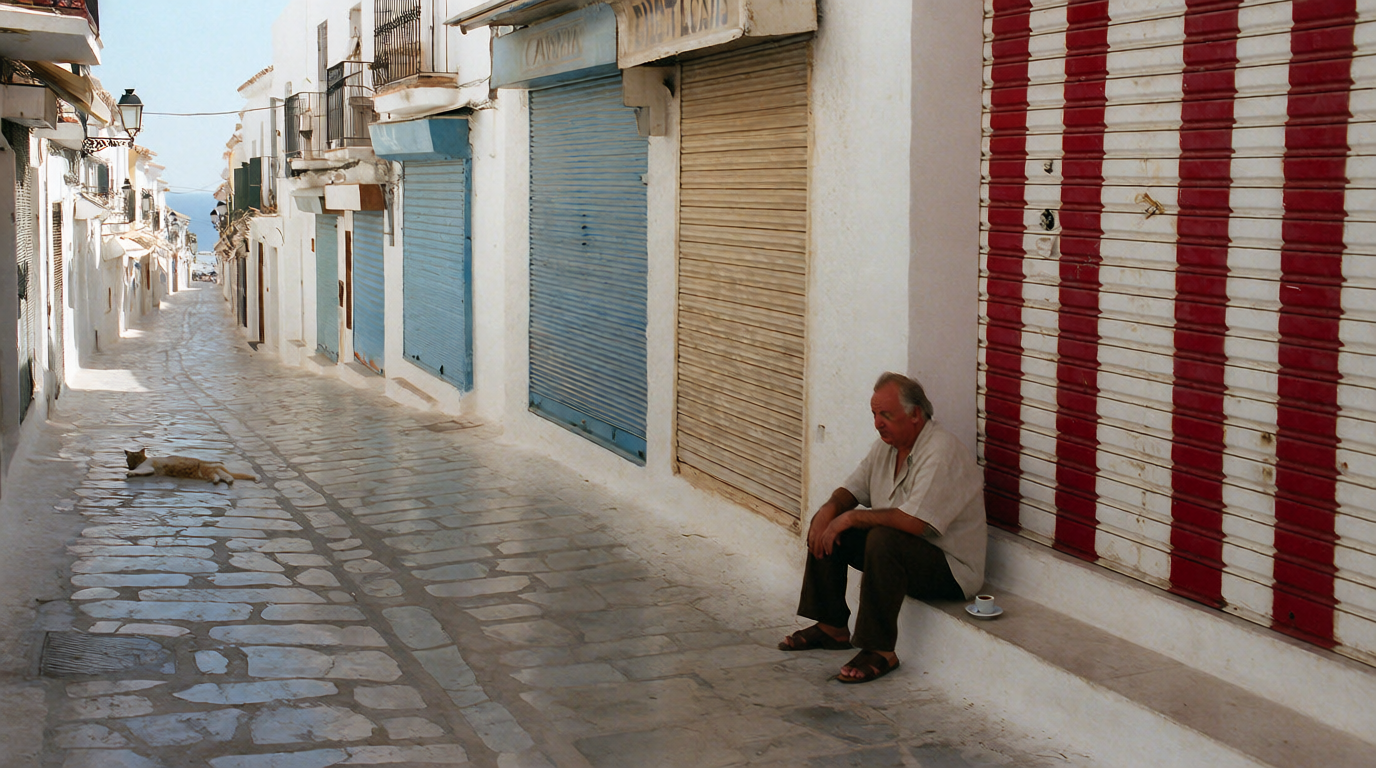
The first time it happens, you are usually holding a shopping list and standing in front of a locked door. It is half past two on a Tuesday, the sun is doing what it does best, and the ferretería you needed five minutes ago has a metal grille pulled down over the glass and a handwritten sign that says, more or less, back at five.
You will feel a flicker of frustration. Everyone does, the first summer. Then, if you stay long enough, something shifts and you start arranging your own day around that same gap, because you have noticed that the people who live here best are the ones who stopped fighting it years ago.
The midday closing is not laziness and it is not a relic waiting to be modernised. It is a piece of infrastructure, as real as the road network, built for a climate that does not forgive a full working day under an August sun.
What actually happens between two and five
In most inland towns, and in the older quarters of coastal ones, the pattern holds firm. Shops close somewhere between one thirty and two, and reopen anywhere from four thirty to five thirty, later the further south and the hotter the month.
The big supermarkets and the chains near the AP7 rarely bother with it any more, which is why a Mercadona or a Carrefour can feel like a small betrayal of the rhythm everyone else is keeping. But walk into the centre of Vélez-Málaga, or up into Coín, or along the back streets of Xàbia away from the port, and the shutters still come down like clockwork.
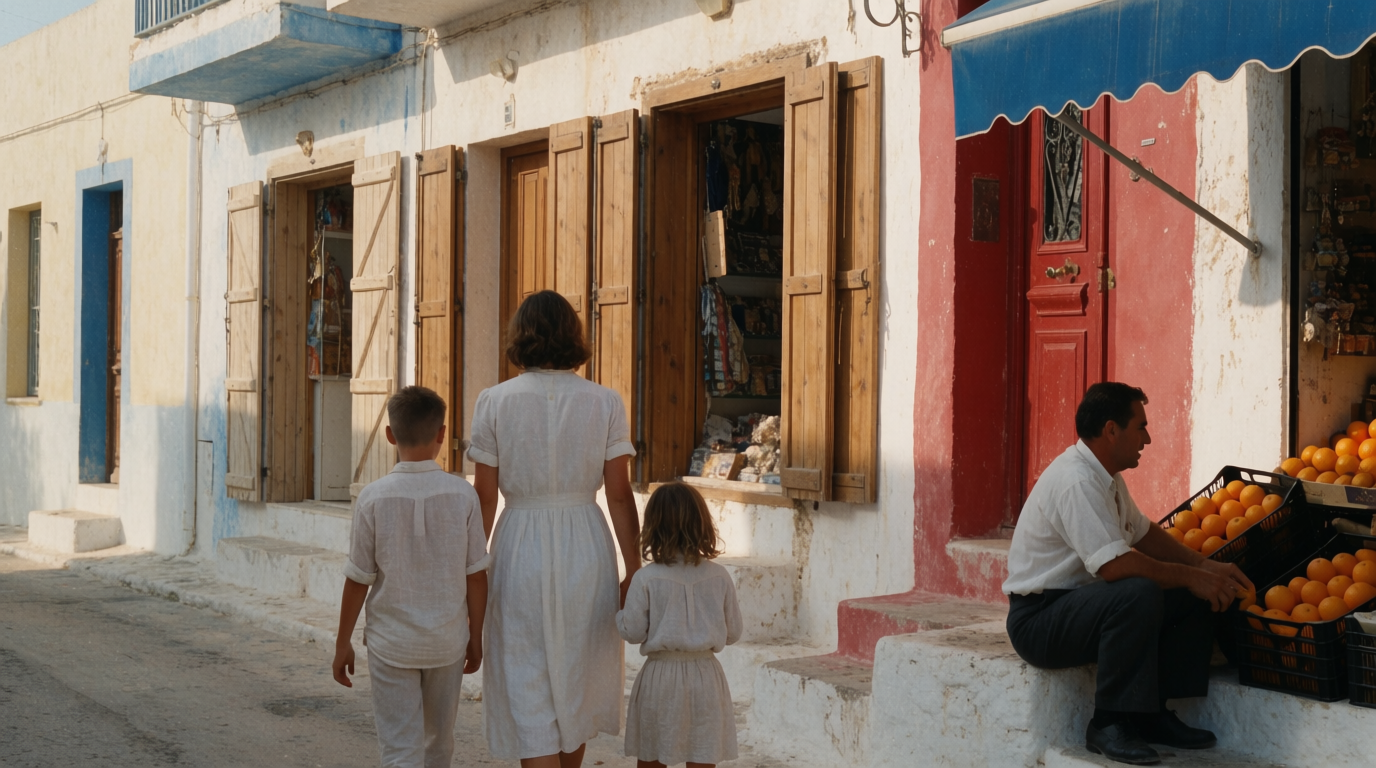
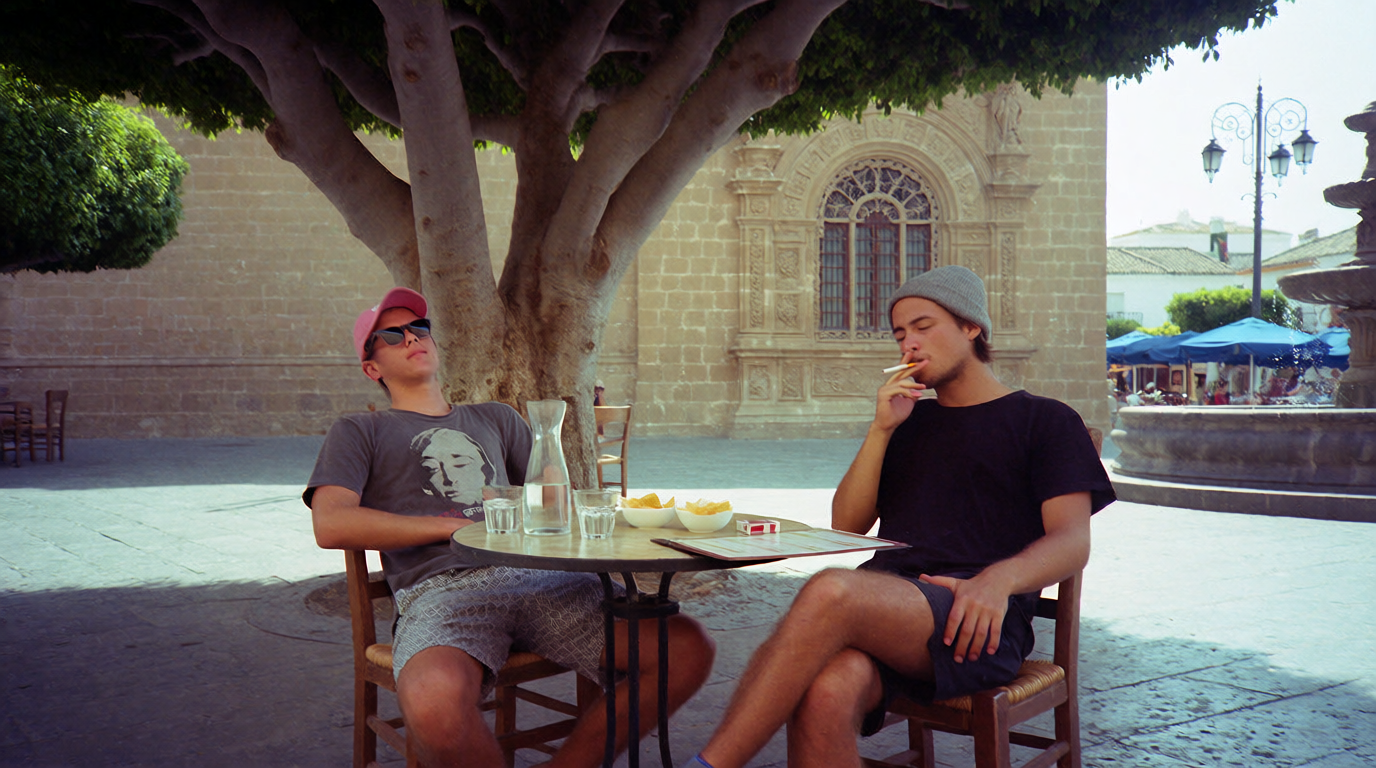
What fills the gap is not nothing. Lunch happens, properly, often the largest meal of the day. A nap happens, or doesn't, but the option is there and nobody thinks less of you for taking it. The streets empty out, the plazas go quiet under their trees, and the only sound left is the occasional scrape of a chair as someone settles in for the long middle of the day.
Learning to read the gap
Once you stop treating the closed hours as an obstacle, they become useful. It is, for a start, the best window for anything outdoors. The beach at three in the afternoon in July has a fraction of the crowd it has at eleven, because half the coast has gone inside.
It is also, oddly, a good time to drive. The roads through town centres that clog at ten in the morning are nearly empty by half past two, and you can cross Marbella or Fuengirola in a quarter of the time it takes at any other hour.
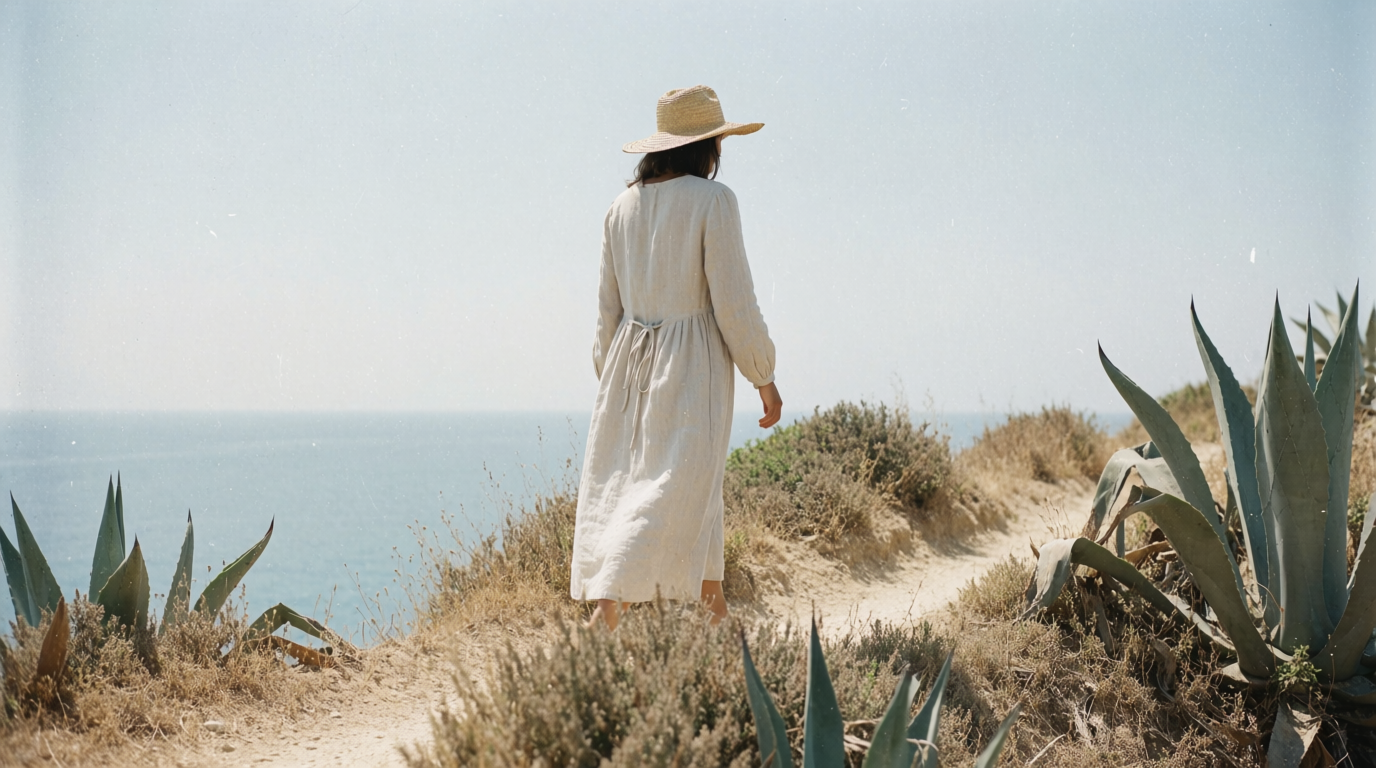
We find the owners who settle fastest are the ones who build a small ritual around the gap rather than resenting it. A coffee after lunch on the terrace. A walk when the heat has flattened everything into stillness and the light goes almost white. A book, an hour of nothing, the kind of pause a British working week rarely allows.
The siesta was never really about sleep. It was about surviving the middle of the day well enough to still have something left for the evening.
The evening is the reward
What the midday closing buys you is an evening with genuine life in it. Shops reopen around five and stay open until eight or nine, sometimes later in summer, and that is when the real errands get done, when the streets fill again, when the terraces of the cafés start to matter.
This is also, not coincidentally, when the paseo begins, when families walk again, when the town seems to exhale after the heat of the day. If your only experience of a Spanish town is a hurried lunchtime visit, you have seen it at its quietest and most misleading hour.
Building a life around it, not against it
For an owner, this eventually stops being trivia and becomes a working knowledge of your own week. You learn which pharmacy on your street keeps the rota, which bakery reopens first at five, which notario's office genuinely means it when it says closed until four thirty.
A few things help in the early months:
- Do the paperwork errands in the morning, before half past one, not after lunch.
- Save anything that needs quiet, or a walk, or simply your own company for the gap itself.
- Treat the evening reopening as the start of the real day, not an afterthought squeezed in before dinner.
None of this is a rule you are obliged to follow. Plenty of newer developments and larger towns run on something closer to a continuous day now, and nobody will mind if you shop at eleven and again at four. But the towns that still keep the old rhythm tend to be the ones with the most character left in them, and understanding why they close is most of the way to understanding why you wanted to live there in the first place.
If you are weighing up which stretch of coast, or which kind of town, might actually suit the way you want your days to run, we are always happy to talk it through, and to put you in touch with the local people who know these small rhythms better than anyone.
The introduction
The local expert who knows this coast
We are not the estate agency. We are the introduction. When a piece like this turns into a plan, we connect you with a vetted local expert who knows the town and speaks your language.
Find your local expert