The night the Virgen del Carmen puts to sea
By Penrose Bay EditorialPublished September 27, 20265 min read
If you are on the coast in the middle of July and you hear a brass band coming from somewhere near the port, follow it. You will find a statue of the Virgen del Carmen, patron saint of fishermen and of anyone who has ever depended on the sea for a living, being carried shoulder high through streets that were built for exactly this.
It happens in Fuengirola and in Estepona, in Villajoyosa and in Santa Pola, in dozens of towns along both coasts where fishing was once the whole reason the place existed. The date is fixed, the sixteenth of July, though the nearest weekend usually carries the main event. What varies is the scale, not the spirit.
We mention it here not as a spectacle to tick off, but because it is one of the clearest windows into how these towns actually think of themselves, whatever the property pages and the beach clubs might suggest.
A fisherman's saint on both coasts
The Virgen del Carmen has been the patroness of the Spanish navy and of fishing communities since the eighteenth century, and along our coasts she is taken seriously in a way that has nothing to do with tourism. In towns where the fleet has shrunk to a handful of boats, this is still the night the whole community turns out.
Earlier generations here lived or died by what the sea gave up, and the festival keeps that memory alive without making a museum of it. Old men who no longer fish will still walk behind the statue. Their grandchildren, who work in hospitality or construction or nothing to do with boats at all, walk with them.
What actually happens on the night
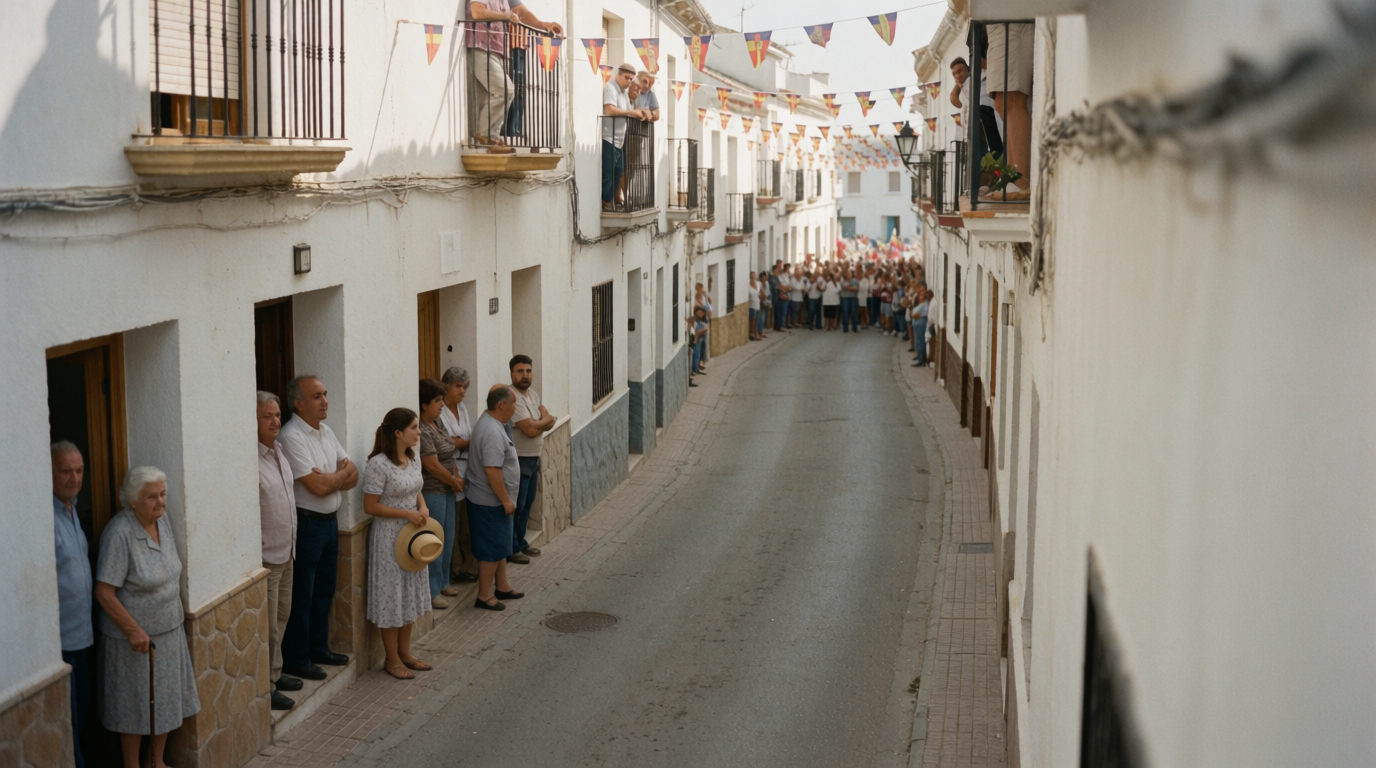
The statue leaves its church in the late afternoon, carried by members of the local cofradía de pescadores, the fishermen's guild, dressed in white. It moves slowly through the old town, stopping at certain corners, gathering a crowd that grows as it nears the water.
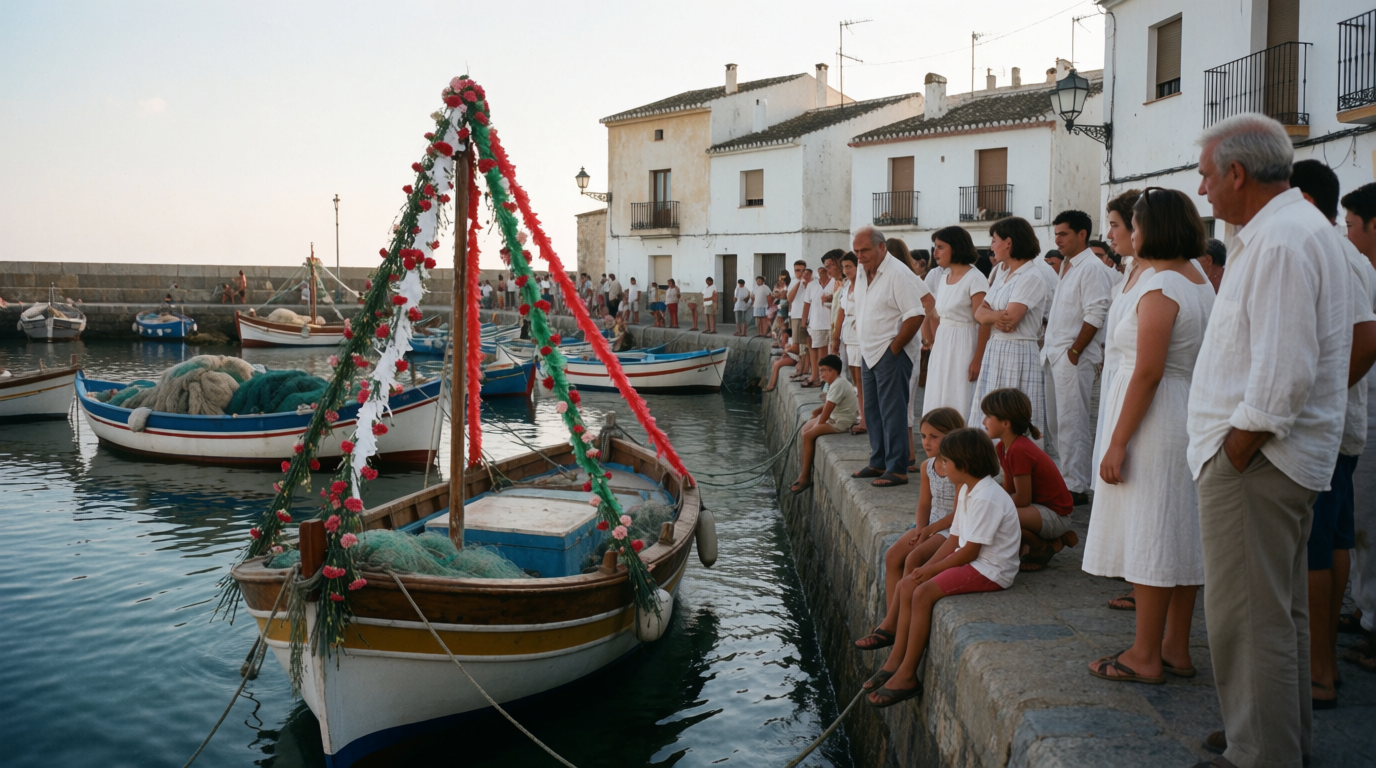
At the harbour she is loaded onto the best decorated boat in the fleet, garlanded with carnations and paper streamers, and a flotilla forms behind it. The boats go out a short way, sometimes just beyond the breakwater, and circle before turning for home. Fireworks usually follow, timed to the boats' return rather than to any clock.
What strikes most newcomers is how unhurried it all is. Nobody checks a phone for the schedule because there is not really a schedule, only a sequence that everyone already knows.
Why it still matters here
It would be easy to file this alongside feria week or Semana Santa as one more fixture of the Spanish calendar, and it belongs in that company, but it carries a different weight. Feria is about being seen. Carmen is about giving thanks, and asking, quietly, for the next season to be kind.
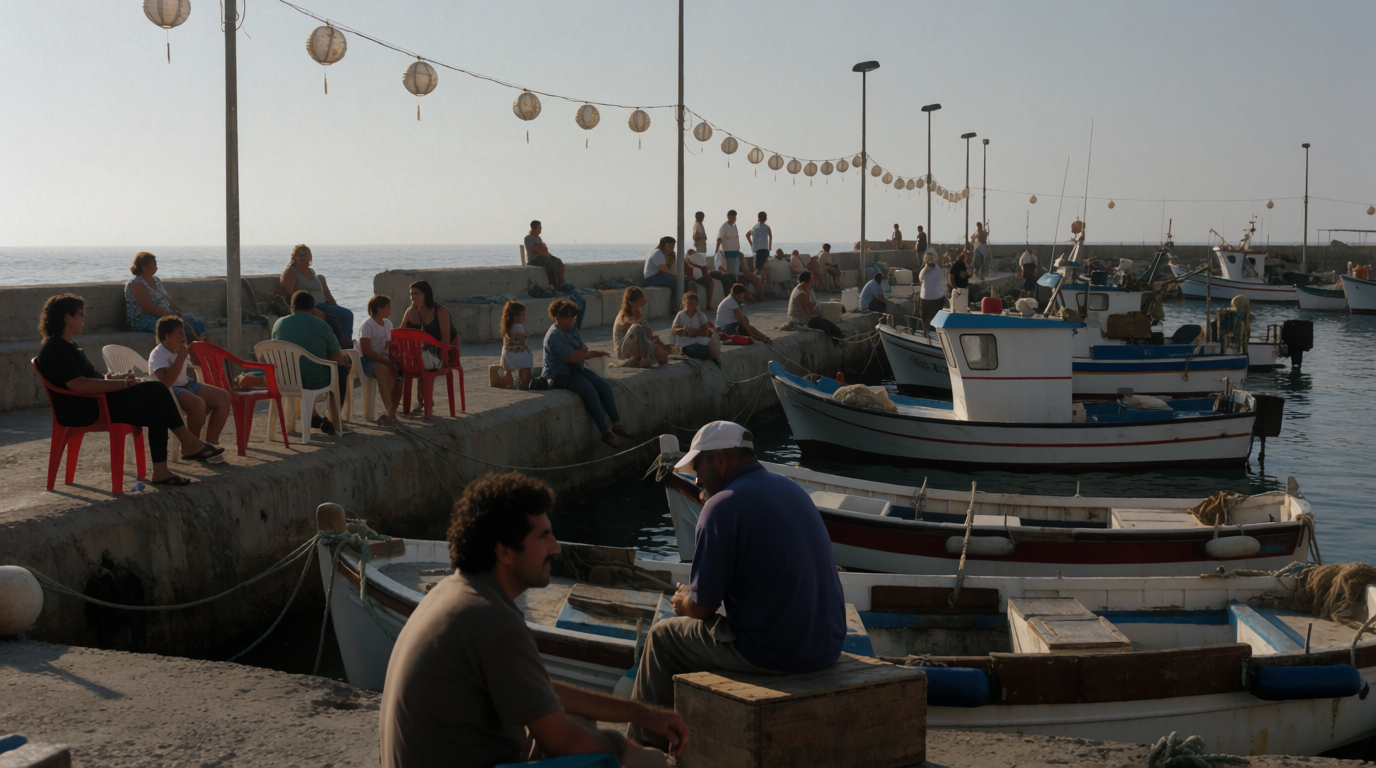
A town that still processes its saint down to the water on a Tuesday night in July has not entirely become a resort, whatever the marina next door might look like.
For anyone who has bought a home near one of these ports, it is worth knowing this rhythm exists before it surprises you. The band practice in the weeks before, the closed street on the night itself, the quiet the following morning, these are not inconveniences. They are the town remembering what it was before it became what it is now.
How to watch it well
You do not need an invitation, and there is nothing to buy a ticket for. A few things make the evening better for everyone, residents included.
- Arrive early enough to find a spot along the route or the harbour wall, and expect the procession itself to run late; nobody minds, and neither should you.
- Dress as you would for any warm evening out, nothing formal is expected, though very brief beachwear reads as out of place here.
- Let local families stand closest to the water; if you own a terrace with a view of the harbour, it is a lovely night to have friends round rather than to go and stand in the crowd yourself.
- Resist the urge to film the whole thing. The fishermen carrying the statue are not performing for an audience, they are doing something their fathers did.
Afterwards, most towns settle into an ordinary night of paella or grilled sardines eaten at long tables near the port, which is, if anything, the better half of the evening.
The morning after
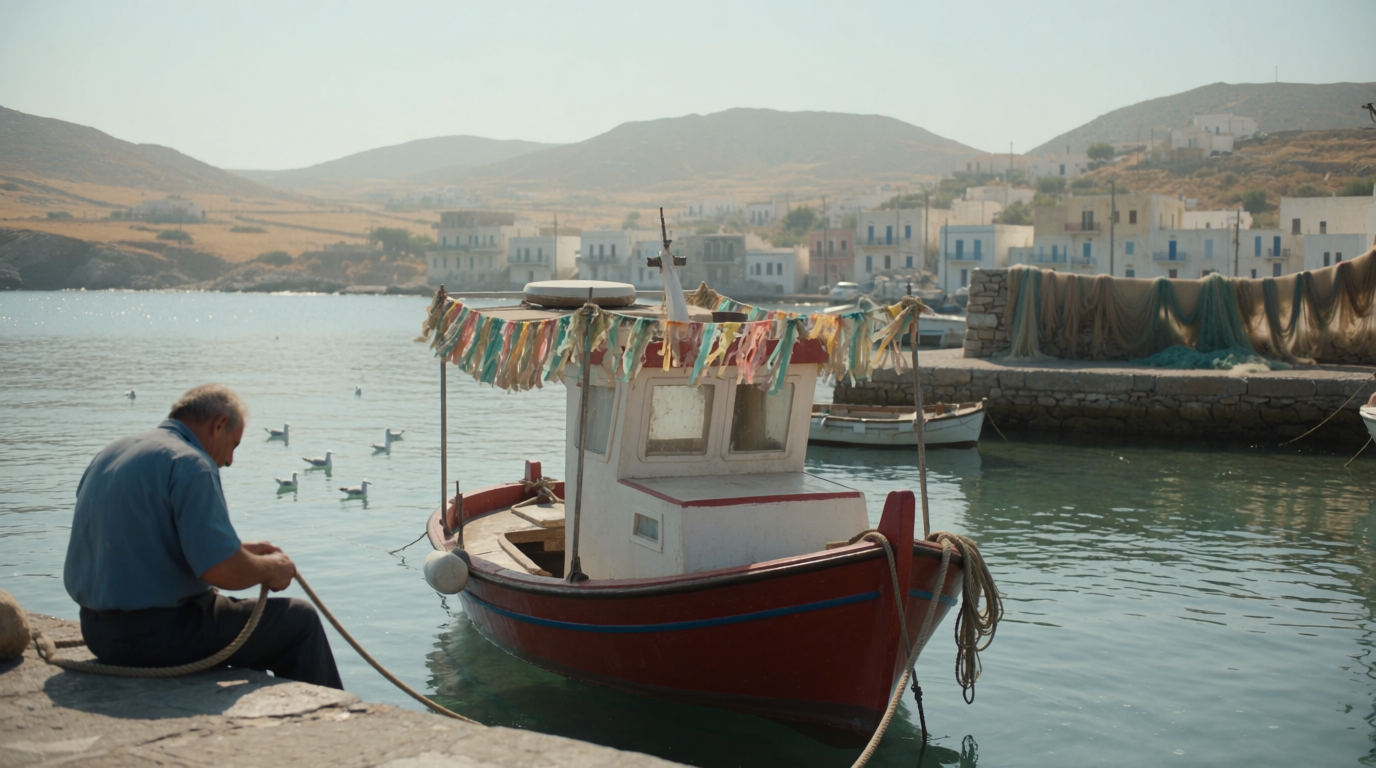
By the following lunchtime the streamers are still on the boats but the crowds are gone, and the town has gone back to being exactly what it was the day before, a working port with a summer season layered over the top of it. That layering, old life underneath, new life on top, without either one cancelling the other out, is a fair description of coastal Spain generally.
If you are weighing up which stretch of coast might actually suit the way you want to live, a festival like this is worth more than any brochure. It shows you what a town keeps for itself, on nights when nobody outside is watching.
If you would like to talk through what daily life looks like in towns where traditions like this still run deep, and which stretches of the Costa del Sol or Costa Blanca might suit the pace you are after, we are always glad to help you think it through.
The introduction
The local expert who knows this coast
We are not the estate agency. We are the introduction. When a piece like this turns into a plan, we connect you with a vetted local expert who knows the town and speaks your language.
Find your local expert