The evening paseo, and the hour the coast walks together
By Penrose Bay EditorialPublished October 25, 20265 min read
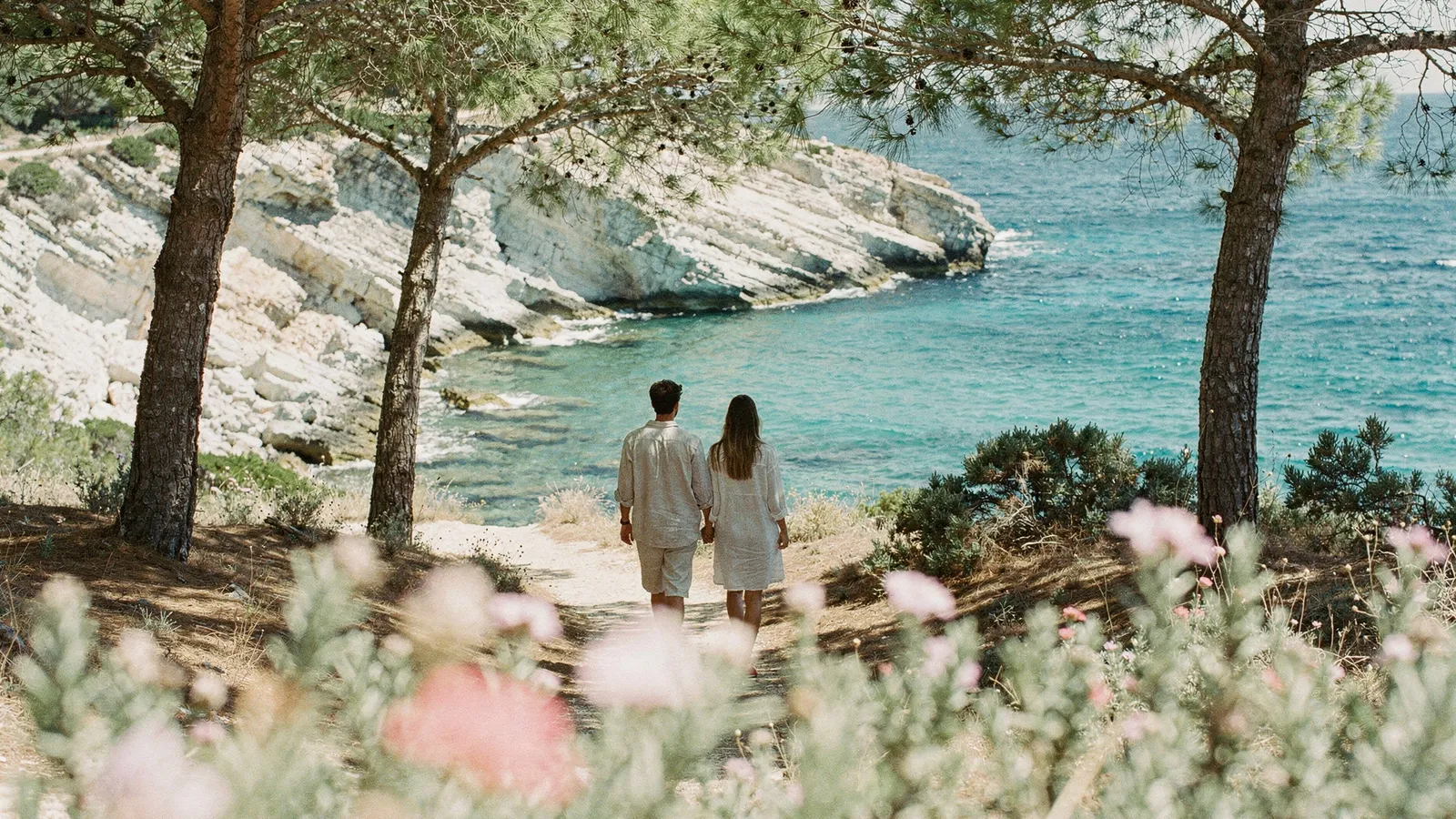
Somewhere between the end of the working day and a dinner that will not start until nine or later, the coast goes out for a walk. Nobody announces it. The light softens, the shutters go up again, and the pavements fill with people who are, for the moment, going nowhere in particular.
This is the paseo, and it is one of the oldest habits in Spanish life. It is also one of the easiest to miss if you arrive as a visitor with a dinner reservation and a plan. Once you know to look for it, you will see it in every town on both coasts.
It is worth understanding properly, because for many people who settle here it becomes the part of the day they would least like to give up.
What the paseo actually is
The word simply means a stroll, but the habit is more specific than that. It is a slow, unhurried walk, usually in the early evening, along a seafront, a main street or a plaza, taken for the pleasure of being out among other people.
There is no destination and no exercise target. Couples walk arm in arm, grandparents push prams, teenagers move in loose groups, and the pace is set by the slowest person present. If you walk like someone late for a train, you will feel it.
The point is to see and be seen, in the kindest sense. You greet a neighbour, stop to admire a baby, and pause for an ice cream or a small glass of something cold. Then you walk on.
Where it happens on each coast
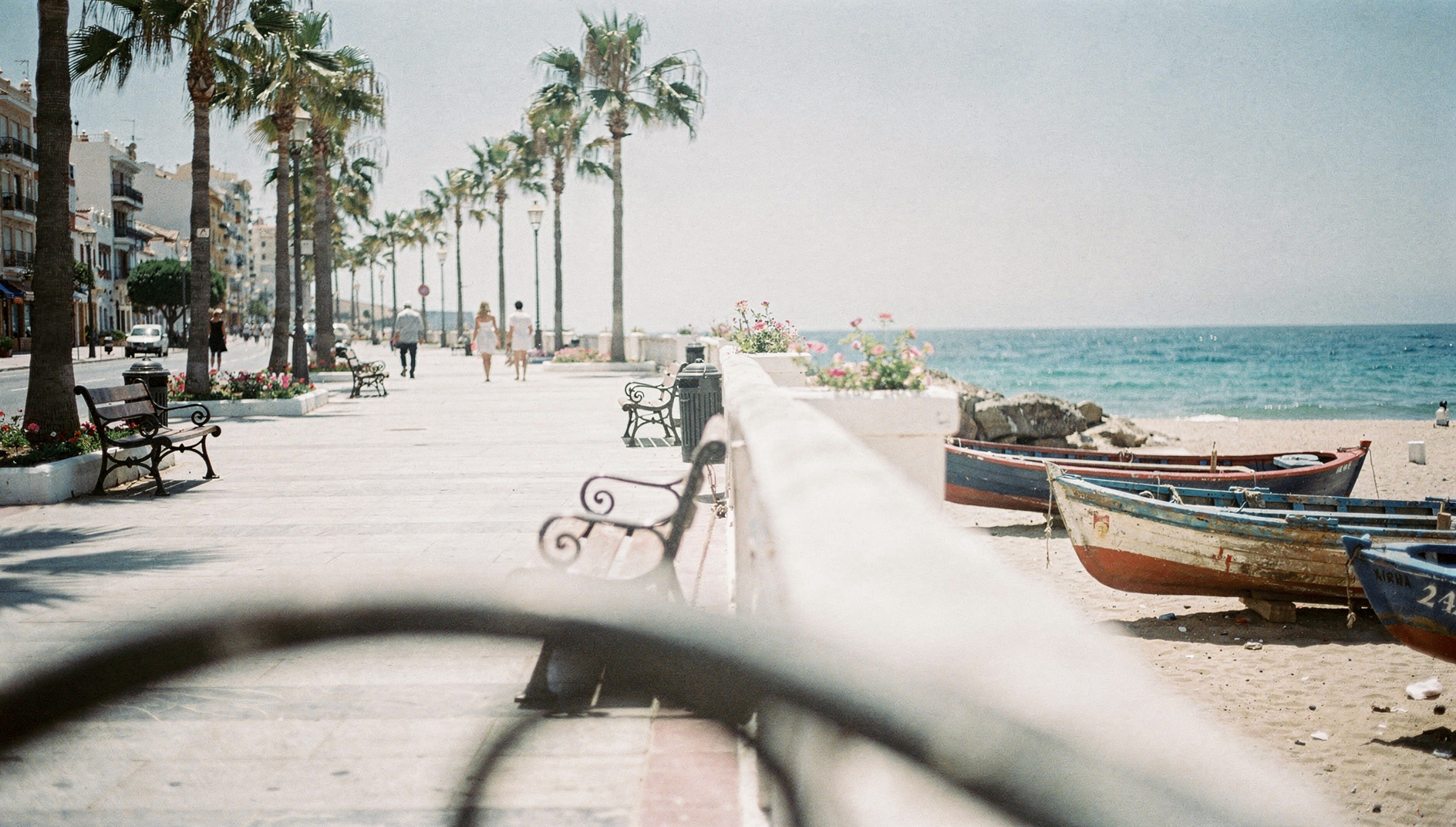
Every town has its own route, and part of the pleasure is finding it. On the Costa del Sol, Málaga does it beautifully, with the walk from the Paseo del Parque out towards the port and Muelle Uno, where the city seems to drift in the same direction as the evening. Further along the coast, the long seafronts of Fuengirola and Torremolinos fill steadily, and the fishermen's quarter of La Carihuela suits a slower version of the same idea.
In Nerja, the Balcón de Europa is the natural gathering point, a viewing terrace above the water where people drift out after the heat of the day. The town seems to arrange itself around the habit.
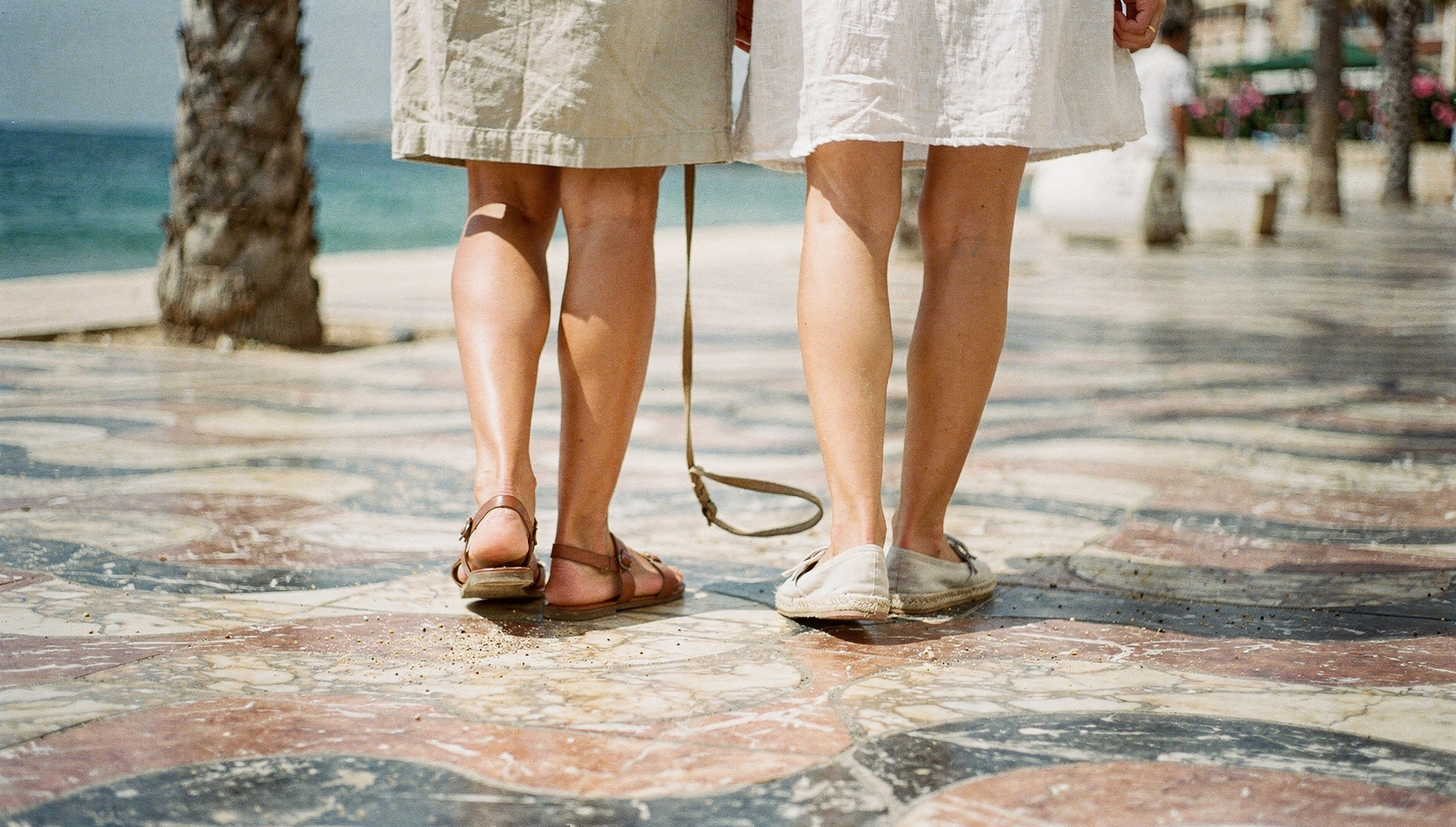
On the Costa Blanca, Alicante's Explanada de España is the classic, a palm-shaded promenade paved in wavy mosaic that runs along the harbour edge. Smaller towns do it on a different scale. In Altea the walk climbs through the old town to the church square, and in Moraira it circles the little harbour. The scenery changes, but the rhythm stays much the same.
The unwritten manners
Nobody will correct you if you get it wrong, but a few habits make you feel part of the evening rather than a spectator of it.
- Walk slowly, and expect to be overtaken by people who are in no more of a hurry than you.
- Say buenas tardes or buenas noches to neighbours and shopkeepers you recognise, and mean it.
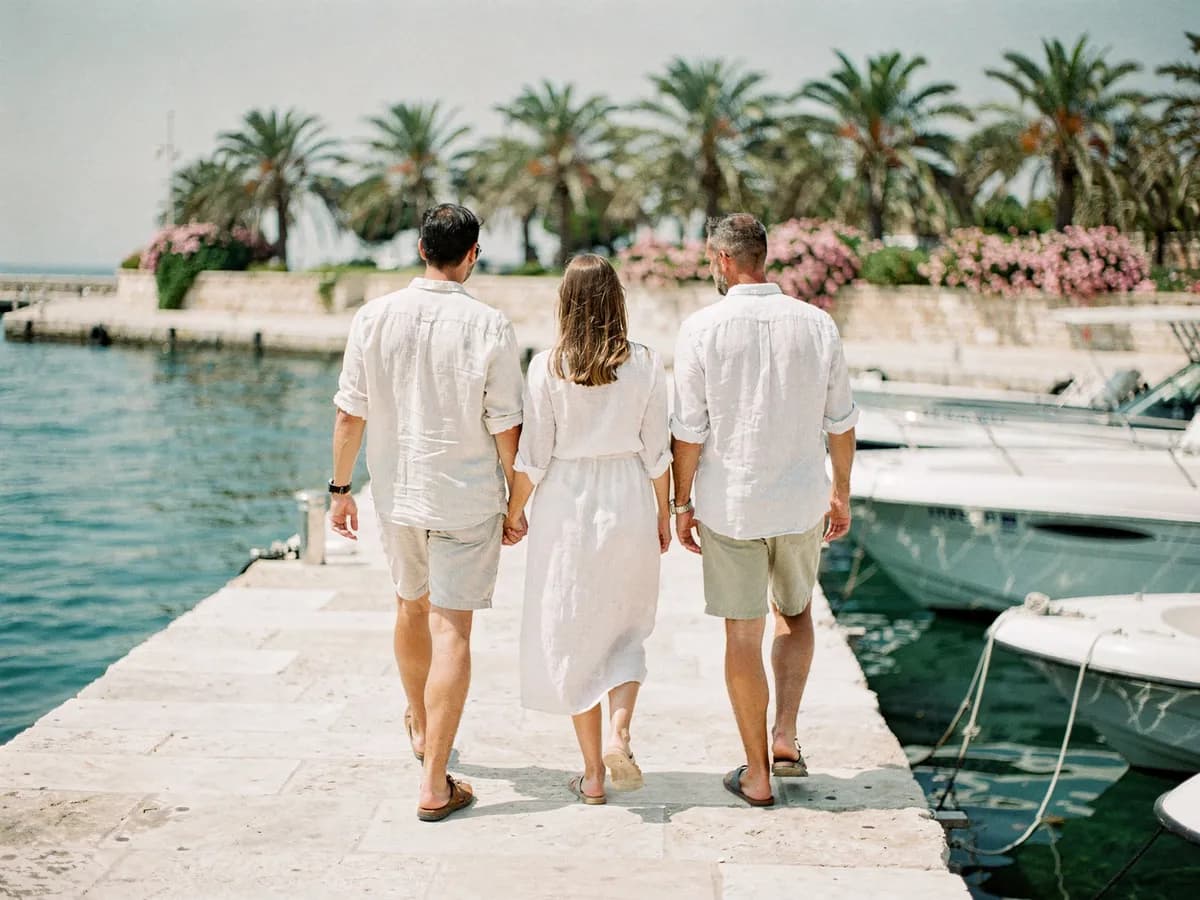
- Dress a little, not formally, but a pressed linen shirt or a clean cotton dress is the usual register, rather than beachwear.
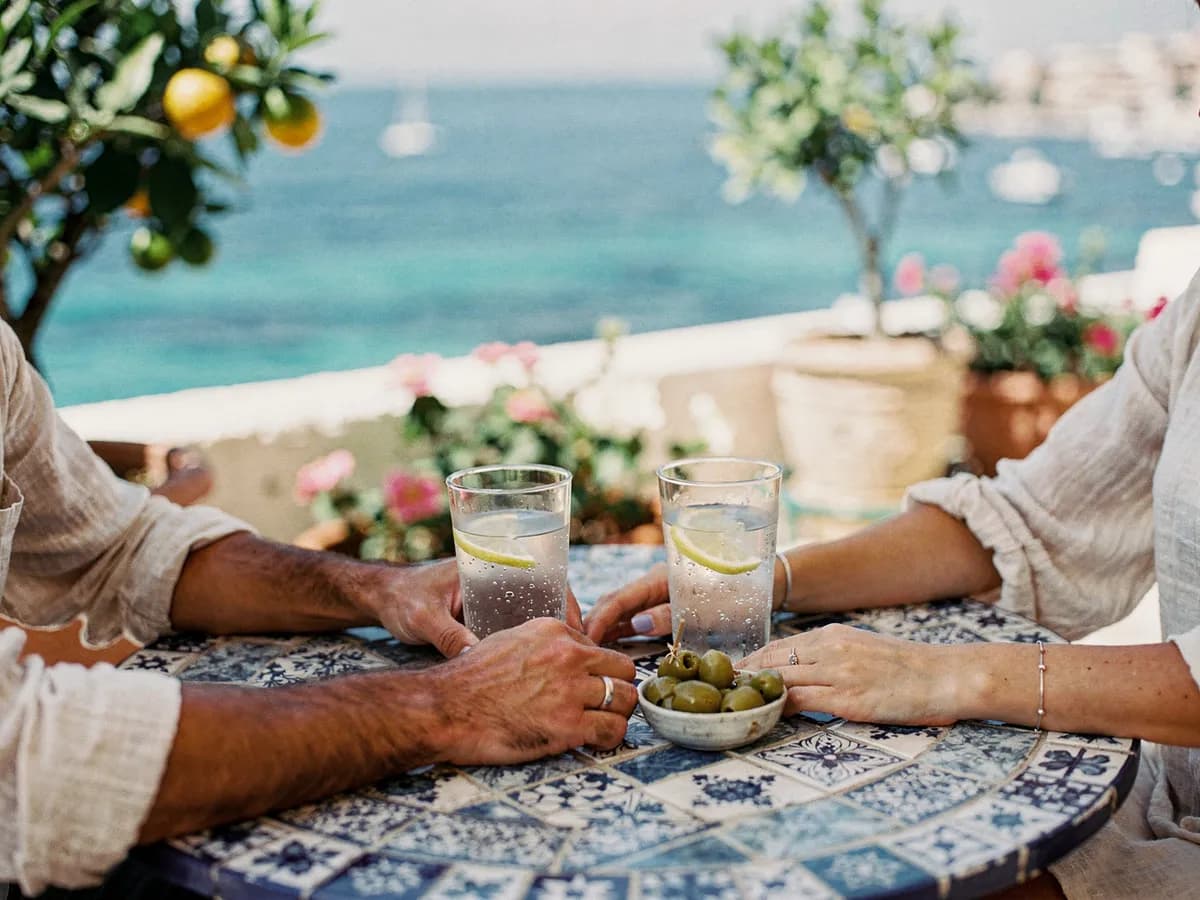
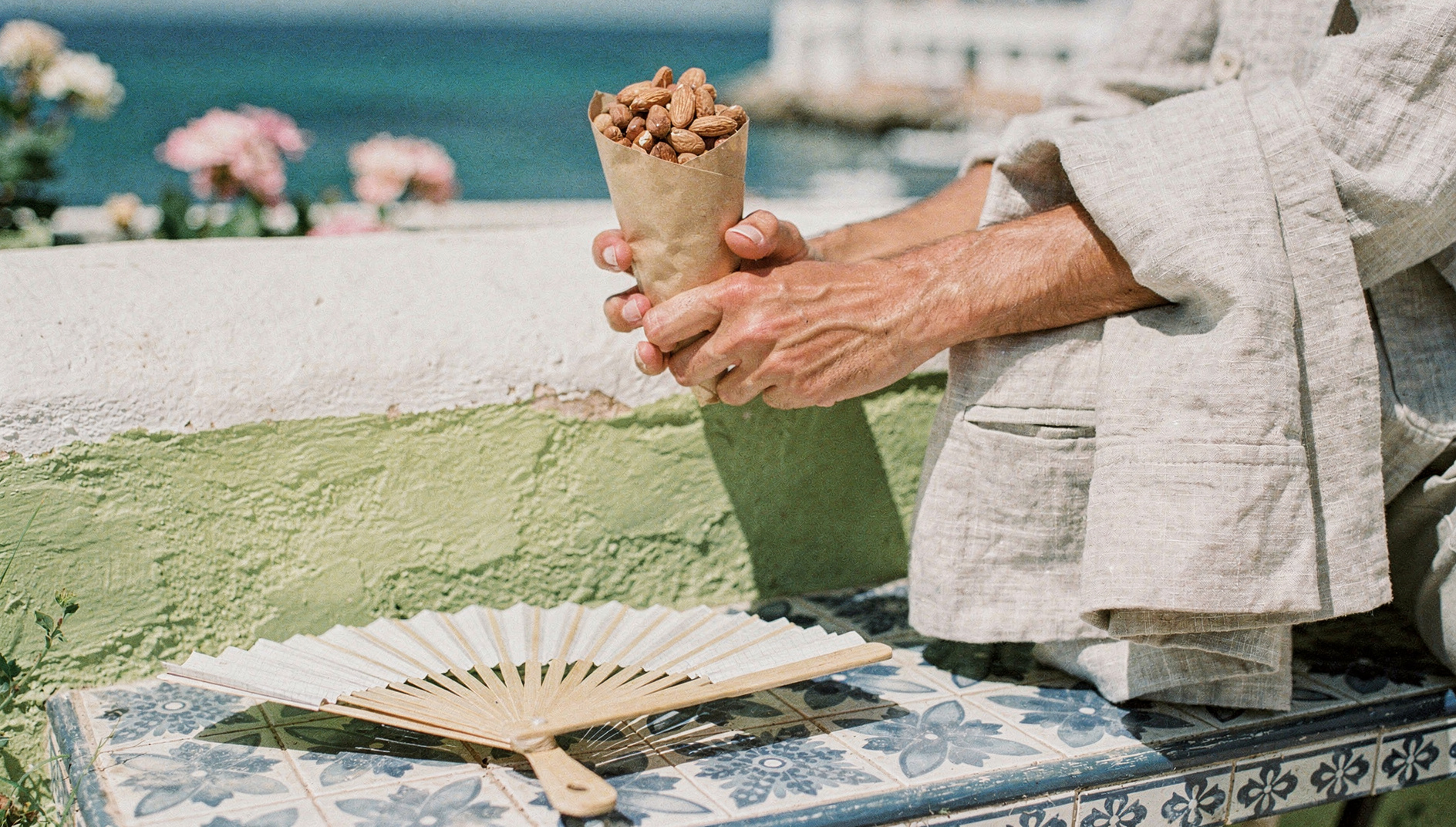
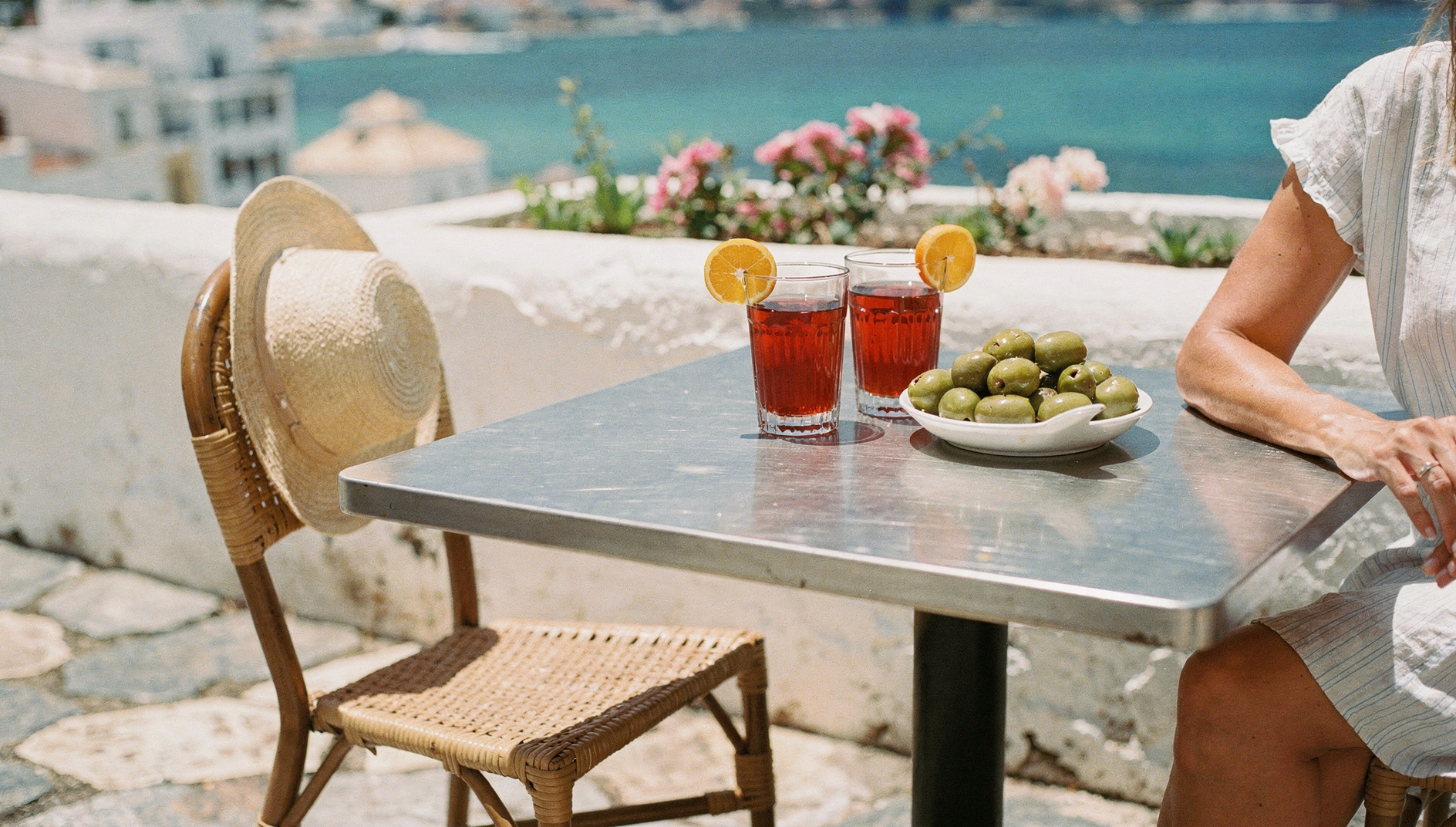
- Stop for something small, such as an ice cream, a vermouth with olives, or a paper cone of toasted almonds from a kiosk.
- Let the walk end when it ends, often at a table rather than at a front door.
That last point matters. The paseo flows naturally into the evening meal, which is part of why Spanish dinners start so late. The walk is the first course of the night.
It changes with the seasons
The paseo is not only a summer habit, though summer is when it runs longest. From June to September the walk may not properly begin until the heat has gone out of the pavement, and it can carry on well past ten, with children still awake and the terraces full.
In winter it moves earlier and becomes quieter. People walk in the afternoon sun in a light jacket, coffee in hand, and the promenades belong to residents again. If you have wondered what a coastal town is like when the visitors have gone home, this is one of the clearest answers.
The seasons also explain why the habit lasts. It adapts. The same stretch of seafront serves a long summer night and a bright January afternoon equally well.
Why it matters if you are thinking of living here
Most of what makes a coastal home feel like yours happens outside it. Being able to step out of your door and join the evening on foot is very different from driving to a promenade and searching for a parking space.
So when you look at homes, it is worth asking a slightly unusual question: where would your paseo be? How far is it to the seafront, the old town or the plaza, and is the walk back uphill, which you may feel more in August than you expect? A flat ten minutes from a lively promenade can offer a different daily life from a villa that is lovely but isolated.
The paseo is also how a place begins to know you. The same faces at the same hour, the nod from the café owner, the neighbour who asks after your visitors. That kind of belonging is not on any floor plan, but it is often what people remember when they describe why they stayed.
The coast is at its most generous in the hour before dinner, when nobody is selling anything and everyone is simply out.
Join the evening before you decide
If you are weighing up a town, spend a few evenings there and do nothing but walk. Go at the hour when the shutters go up, take the slow route, and notice who else is out, how they move and whether you could imagine yourself among them.
If you would like help finding a place where that daily walk is part of the picture, or introductions to local experts who know a town street by street, we would be glad to hear from you. Tell us how you hope to spend your evenings, and we will start from there.
The introduction
The local expert who knows this coast
We are not the estate agency. We are the introduction. When a piece like this turns into a plan, we connect you with a vetted local expert who knows the town and speaks your language.
Find your local expert