Moraira, a small harbour town that keeps its own pace
By Penrose Bay EditorialPublished October 6, 20266 min read
Moraira is easy to underestimate. It has no big promenade of towers, no nightclub strip, no train station. What it has is a working harbour, a small old centre, a castle at the water's edge and a ring of quiet coves, all set at an unhurried distance from the busier towns along the Costa Blanca.
That modesty is exactly what draws people, and it is also what decides whether Moraira suits them. This guide is written for the second of those two things: what it is like to live here once the novelty of a holiday has worn off, and who would be better served a few kilometres up the coast.
What the town feels like through the year
Summer is Moraira at its busiest, though busy here means full terraces, a harbour that hums until late and parking that needs patience, rather than chaos. Families arrive, second homes open their shutters and the beaches at L'Ampolla and El Portet fill with a mix of Spanish and international voices. If you love long evenings and company, it is a joyful time.
Autumn is when many residents say the place becomes itself again. The sea stays pleasant for swimming well into the season, the light softens and the town exhales. Tables are easier to find, and the paseo along the front is walked by people who actually live here.
Winter is quiet, and you should expect that. Some restaurants and shops close for a stretch, the streets empty in the evening and the days are often bright enough for lunch outside in a jumper. It suits people who like walking, reading and a short list of favourite places. It can feel too still for anyone who needs a constant social calendar.
Spring brings the hills back to green and the coastal paths into their best form. It is the season when the rhythm of the town starts to lift again, ahead of the summer arrivals.
The neighbourhoods, in plain terms
The old centre and harbour are the heart of the place. Here you are on foot from the market, the cafés, the fish restaurants and the castle, an eighteenth-century fortress standing over the water. Homes are mostly flats and townhouses, and the trade-off is some summer noise and tighter parking.
El Portet sits around a sheltered cove just along the coast, with a beach that suits children and a short, flat walk to restaurants. It is popular with people who want the sea at their door without being in the middle of town.
The hillside urbanisations are where much of Moraira's housing lives: La Sabatera, Paichi, Pinar del Advocat and Cap Blanc among them. These are villa areas with gardens, pools and views, usually a short drive or a determined walk from the centre. You gain space and quiet, and you accept that the car becomes part of daily life.
Further afield, Benimeit and the slopes toward Benissa feel more rural, with larger plots and a stronger sense of country living. The sea is still close, but the town is not a stroll away.
Daily life: market, coffee and the paseo
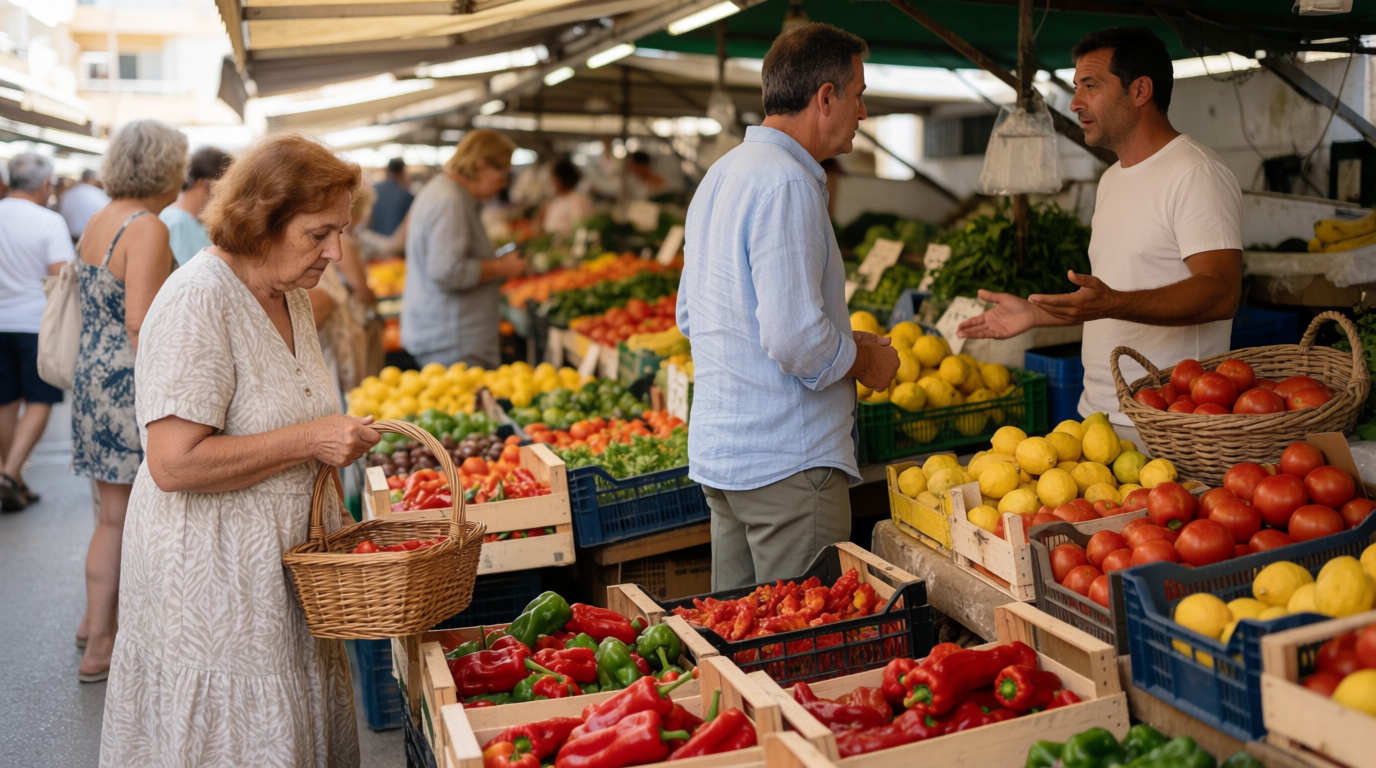
The weekly market on Friday is the anchor of the week. Locals come for fruit, vegetables, olives and cheese, and stay for a coffee afterwards. It is a good place to learn who sells what and to feel the town's regular faces.
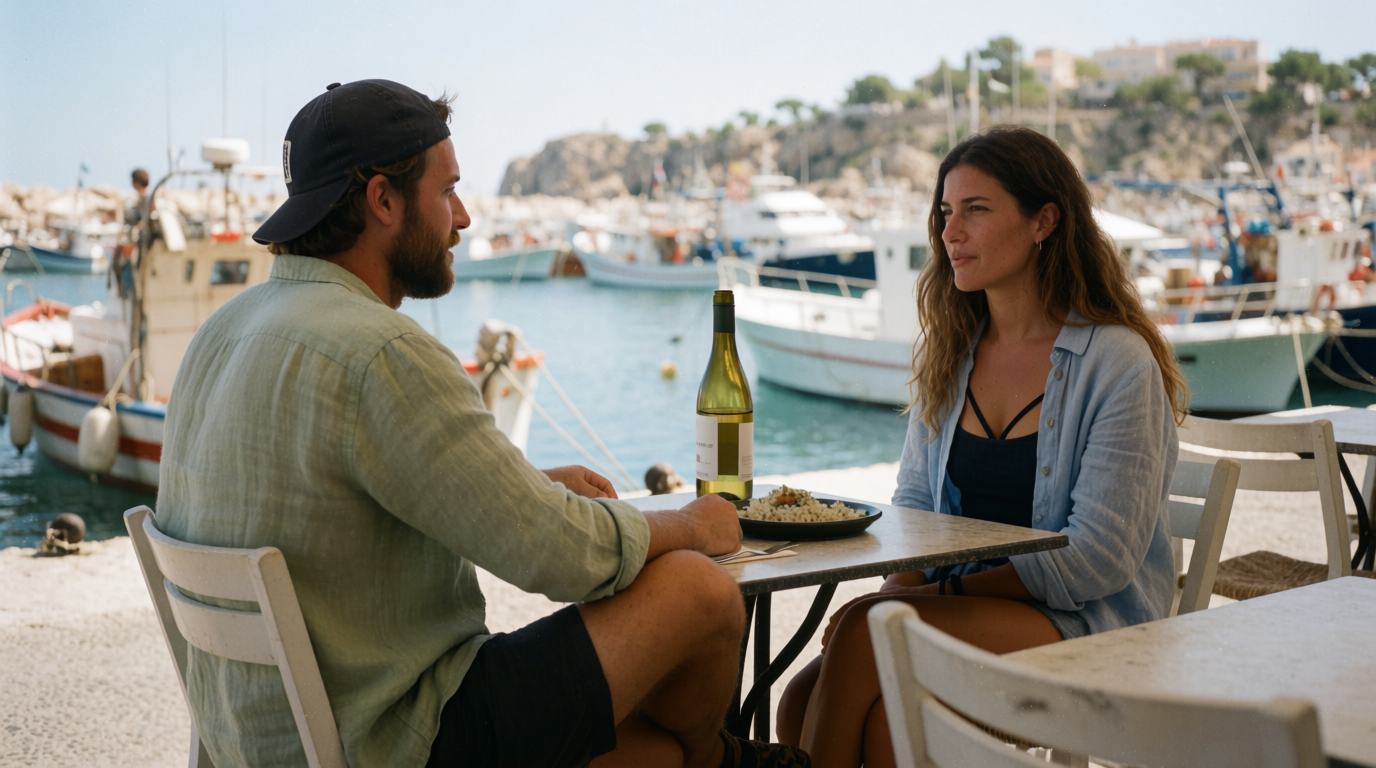
The mornings begin at the bar, with a café con leche and something small to eat, then a walk. The seafront is better for the paseo in the early evening, when families and older couples take the same slow loop and stop to talk. Lunch tends to be rice, such as an arroz a banda, or fish from the local boats, followed by a long pause before the day resumes.
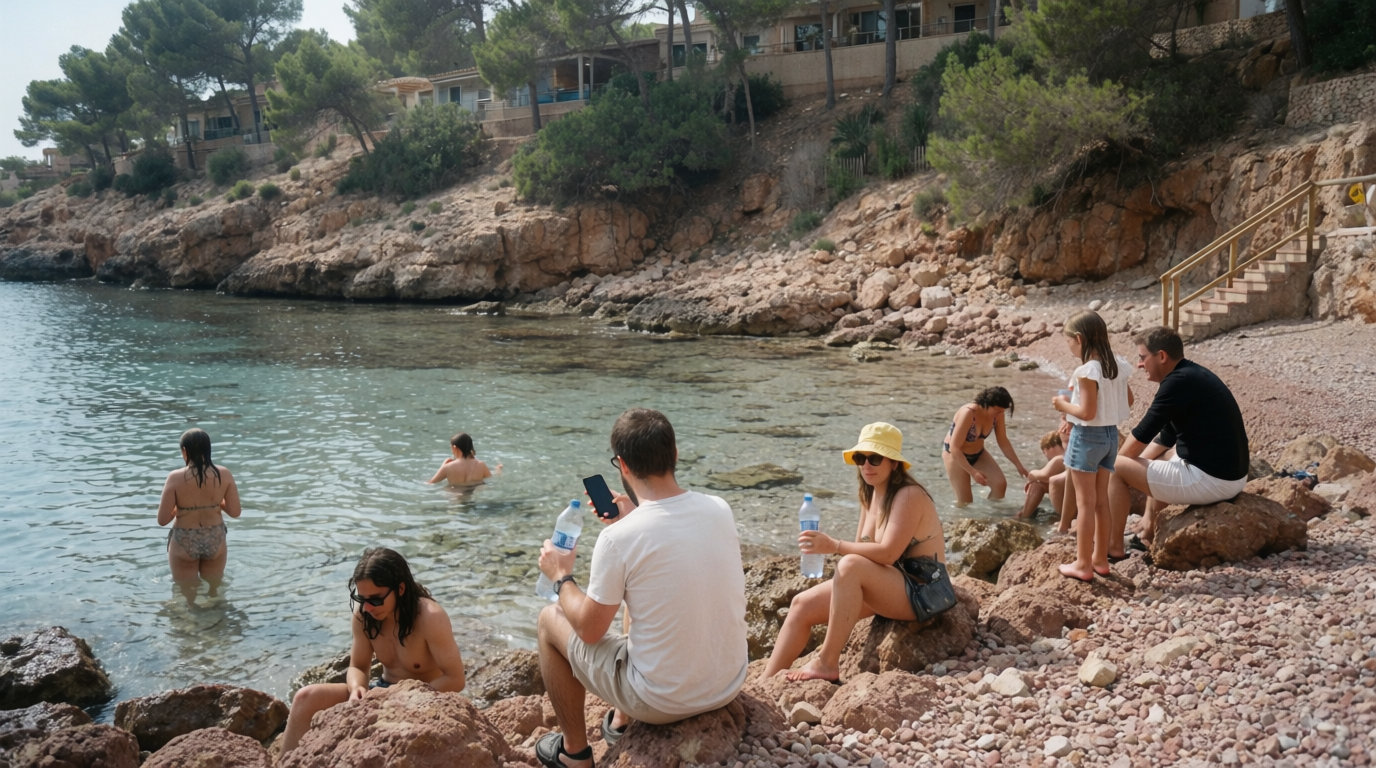
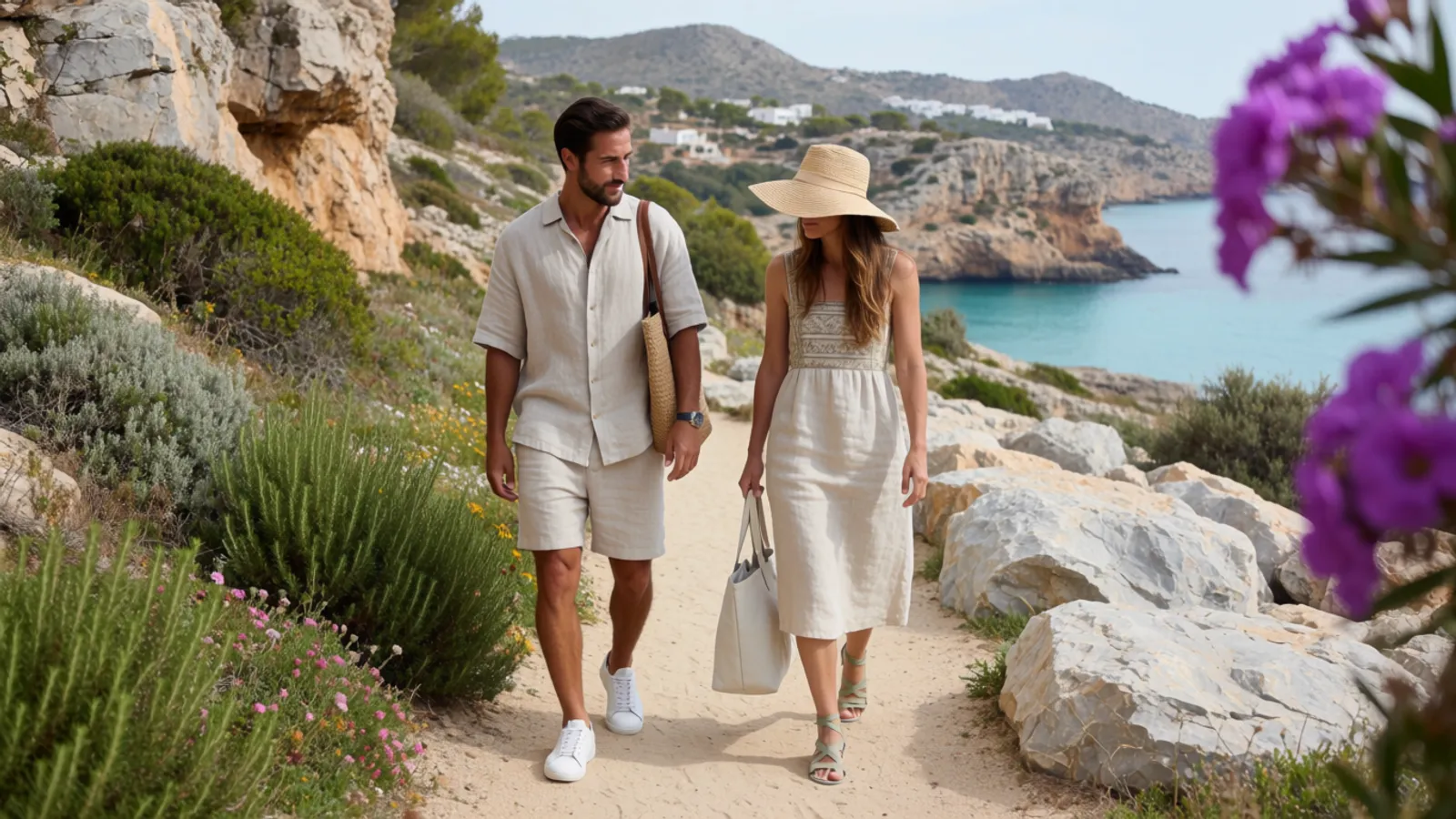
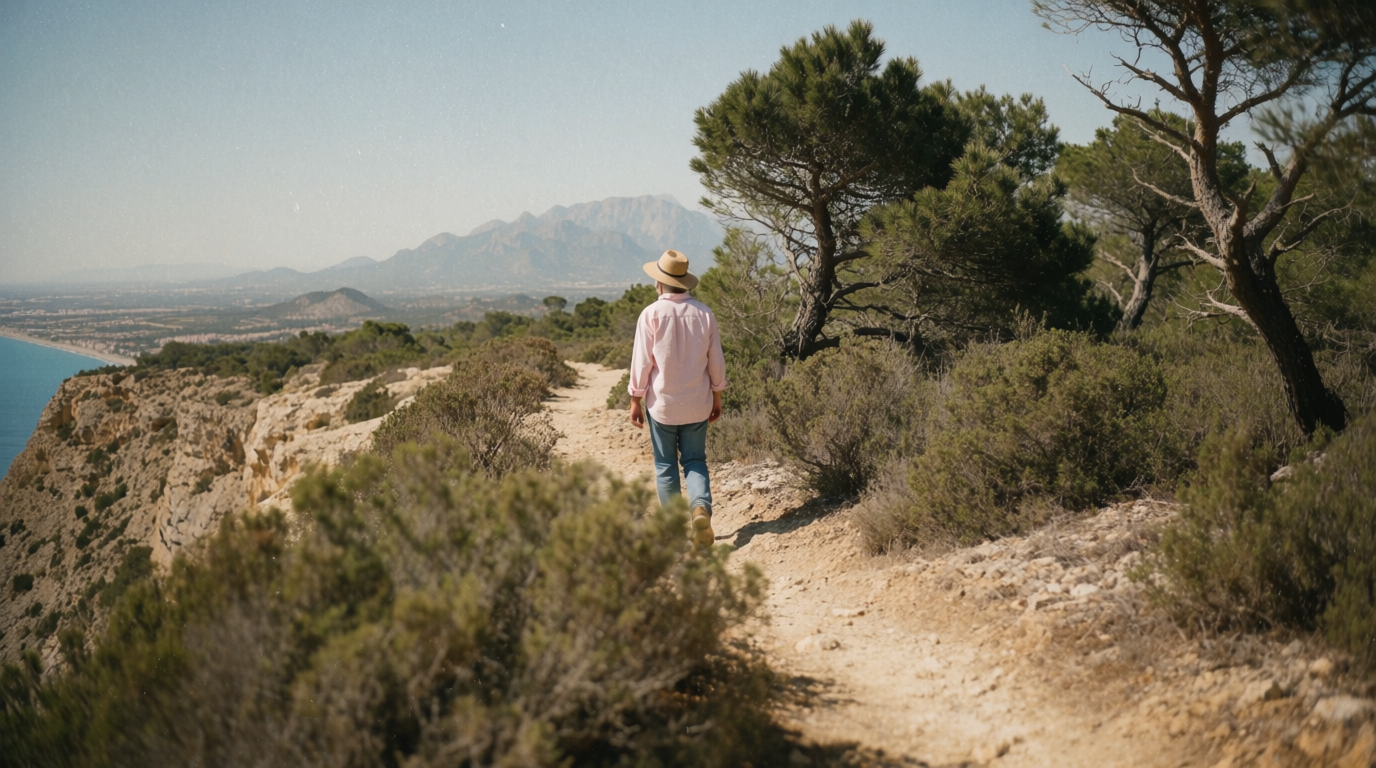
The water is the other rhythm. Morning swims in a cove, an afternoon on the sand at L'Ampolla, or a clifftop walk toward Cap d'Or with the Sierra de Bernia on the horizon fill the days without much planning. Inland, the Marina Alta is a landscape of vines (the moscatel grape has long been grown here), almonds and small villages that reward a slow drive.
Who tends to be happiest here
Walkers and swimmers are well served, since the coves and paths are right on the doorstep. Couples and retirees who want calm, good food and a dependable sense of community will find the town easy to settle into. Families with younger children often like the safe, small scale of the beaches and the town.
Remote workers can make it work if they value quiet and are comfortable with a car-based routine, though they should look closely at connectivity for the specific home. Year-rounders get the most from it, because the town's character shows most clearly outside August. Summer owners enjoy it too, as long as they accept that the place sleeps when they are away.
Golfers will find courses within a drive, but golf is not at the door in the way it is on parts of the Costa del Sol.
Moraira rewards people who like a place small enough to know, and quiet enough to hear.
What Moraira is not
It is not a town for nightlife, big shopping or a busy cultural programme. It has no railway line, and the nearest major airport, Alicante-Elche, is roughly an hour away by road. Hospital care and larger services are in neighbouring towns, so you will be driving for some things.
It also leans heavily toward villas, so those hoping for a wide choice of compact, walkable flats may look elsewhere. If you want a livelier, more connected town with the beach in the middle of everything, Calpe may suit you better, while Denia is a larger, year-round working town with more services. For a rural, hills-first feel, Benissa and the inland valleys are worth a visit.
None of that is a flaw. It simply means Moraira is a choice, and the right one for people who know what they want from it.
If you would like to talk it through
The best way to know if Moraira fits is to spend a few ordinary days there outside high summer, walking the town and the coves. When you are ready, we can introduce you to vetted local experts who know the neighbourhoods well and can answer the practical questions. Get in touch and tell us what a good week looks like for you.
The introduction
The local expert who knows this coast
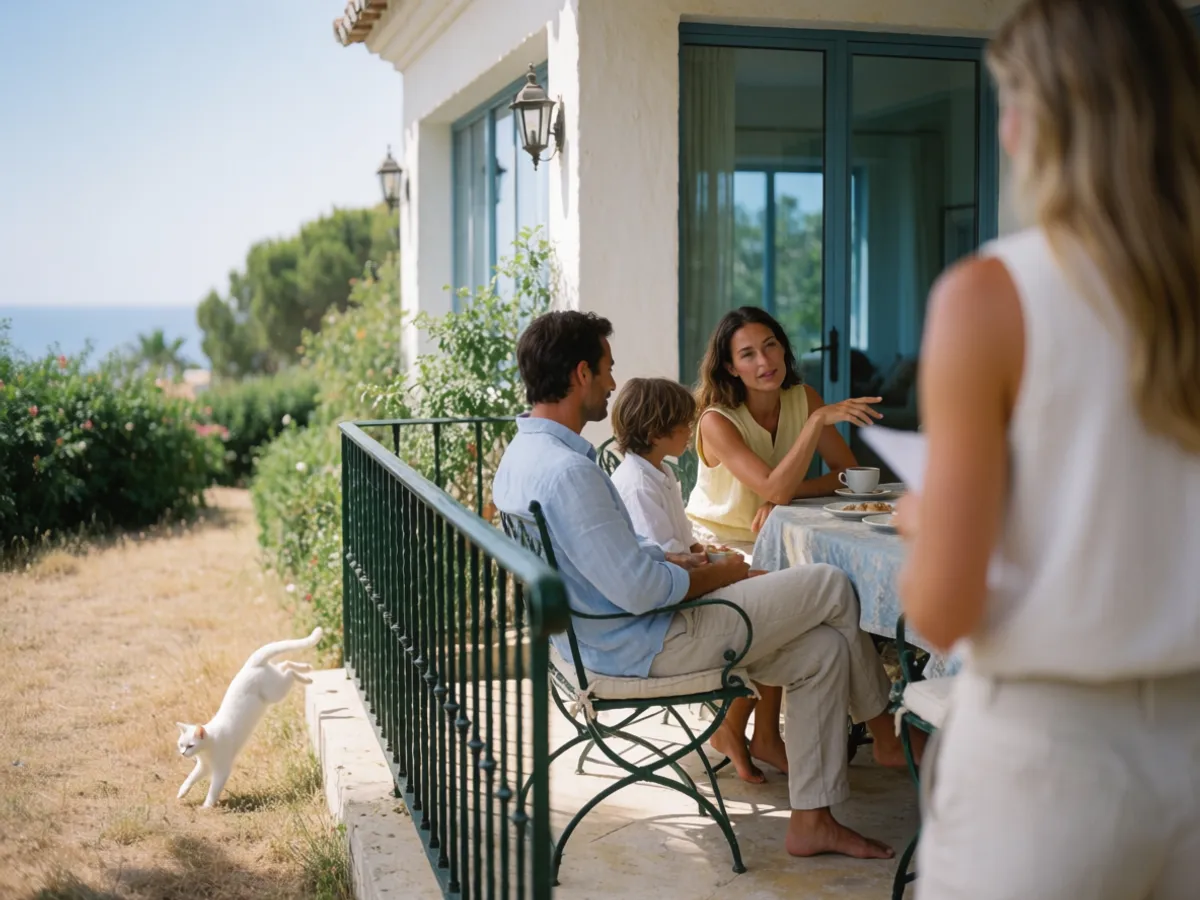
We are not the estate agency. We are the introduction. When a piece like this turns into a plan, we connect you with a vetted local expert who knows the town and speaks your language.
Find your local expert