Casares: a white village on a rock and a quiet coast below
By Penrose Bay EditorialPublished October 14, 20265 min read
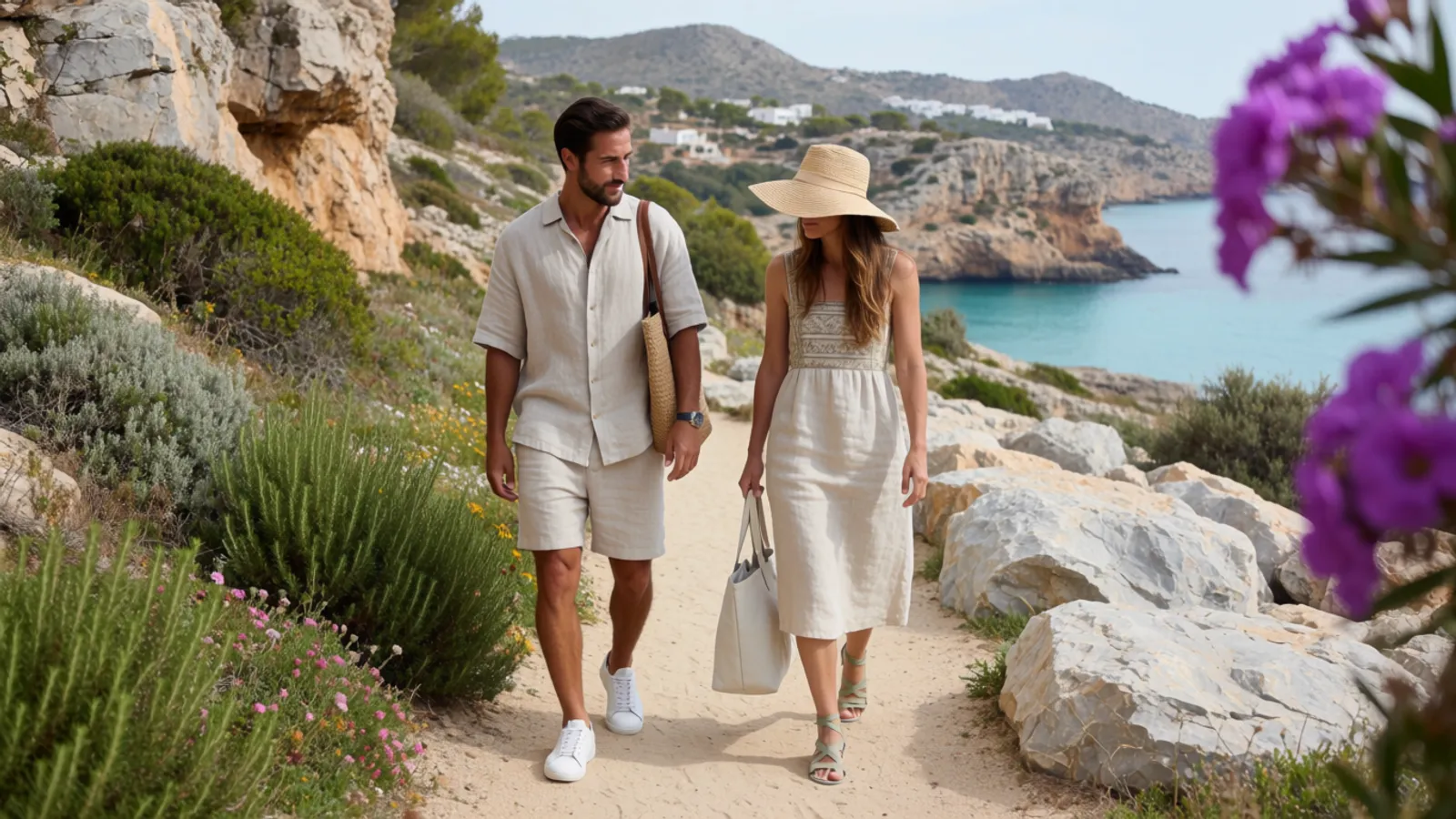
Casares is easy to describe and harder to place. From the coast road you see a pale scatter of houses clinging to a rock, with the ruins of a Moorish castle on top, looking much as it has for centuries. Then you drive down to the sea and find a different Casares altogether, a long, calm beach with a promenade and low-rise apartments.
That double life is the whole story, and it is what decides things for most people. Before you think about a particular house, it is worth deciding which Casares you actually want to wake up in.
This is a guide to living there rather than visiting, so we have kept to the character of the place and to what is plainly true of it.
Two Casares, and how they differ
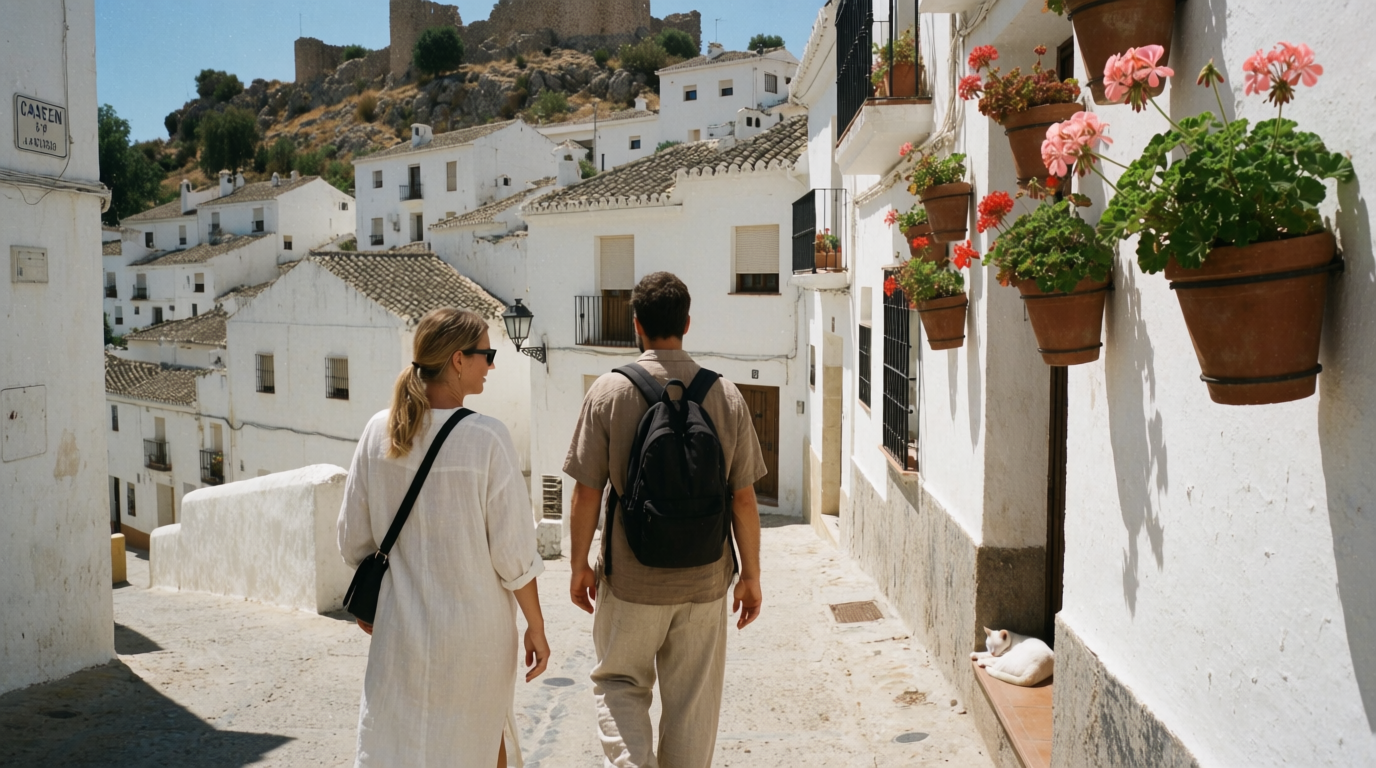
The village (el pueblo) is steep, white and compact. Streets climb and turn, houses are often narrow and stacked on the slope, and the views run out over the countryside towards the sea and, on a clear day, Gibraltar and the African coast. It is the birthplace of Blas Infante, a figure much honoured across Andalusia, and the village wears its history lightly. Parking is the practical question, and so are the stairs. A car is part of daily life here, and the knees you bring matter.
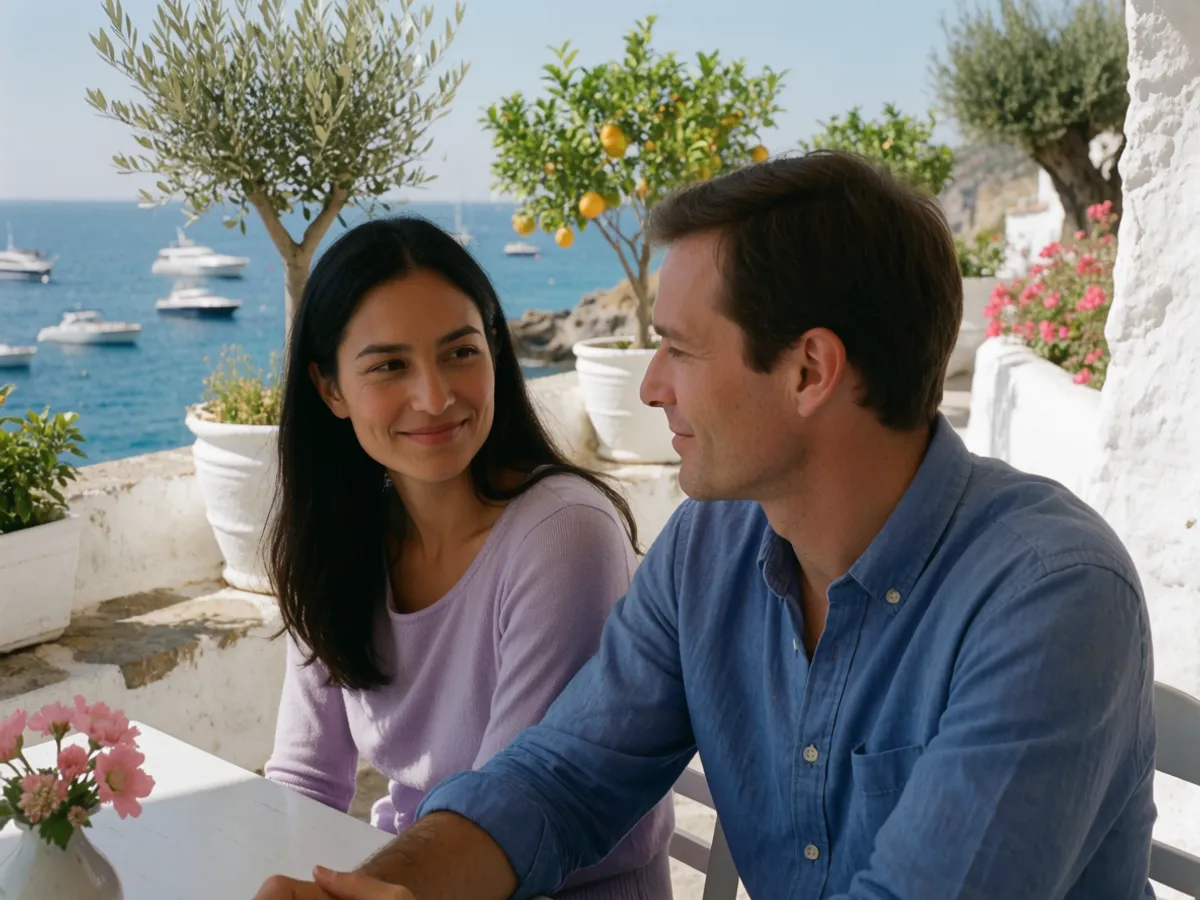
Casares Costa is the flat strip by the sea. It is largely residential, built around apartments and townhouses in urbanisations, with a long beach, a promenade, and a quieter, more local feel than its busier neighbours. Walking to the sand, the shop and a café is realistic, which the village cannot offer.
The countryside between is where the golf courses and fincas sit. Finca Cortesín, which later hosted the Solheim Cup, is the best-known name, and Doña Julia is another course in the municipality. Here you have space, views and privacy, and you are firmly in car territory for everything else.
Season by season
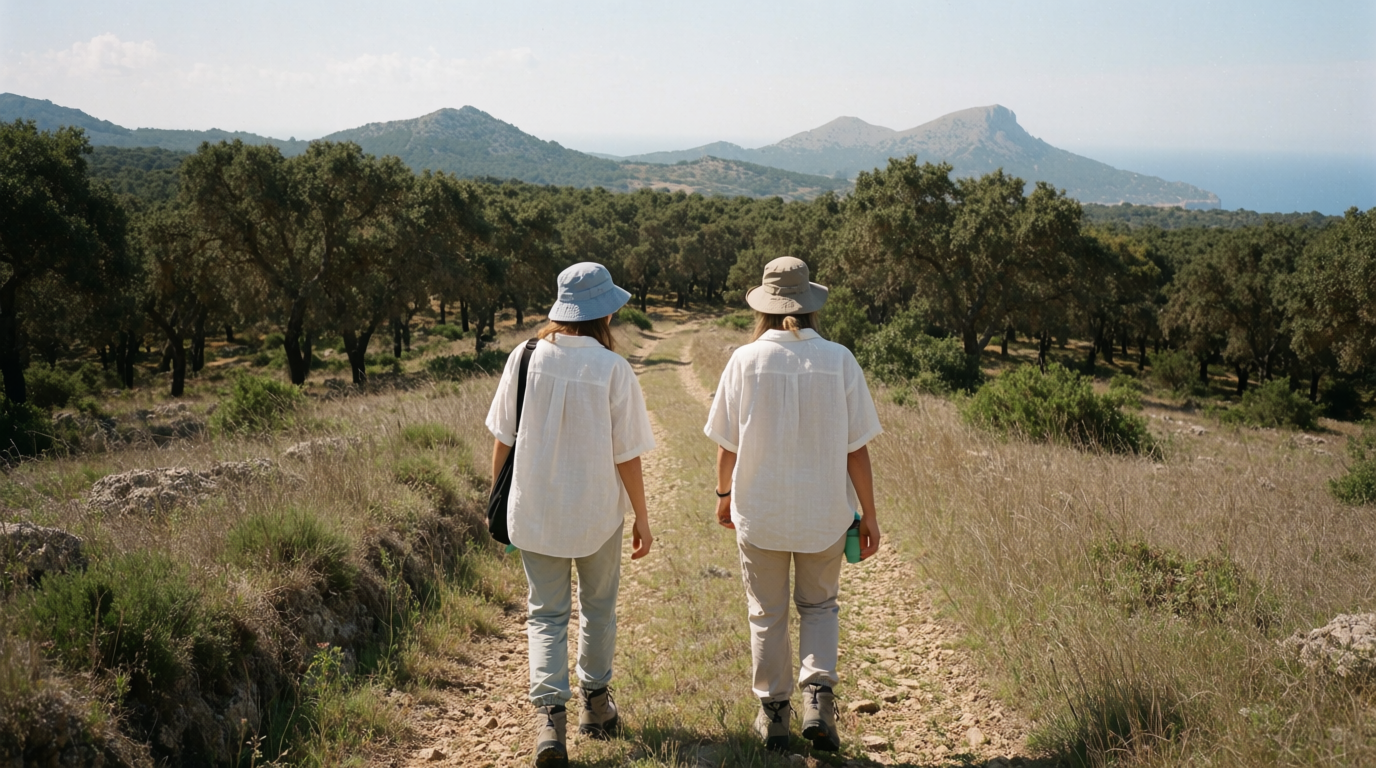
Spring is when the hills turn green and the walking is at its best. The village is cool in the morning, the terraces start filling, and the coast is still quiet enough to have a beach almost to yourself.
Summer brings the sea back into focus. The coast fills with families and summer owners, the promenade stays busy into the night, and the village is hot by day and noticeably cooler in the evening. If you work from home or have children, expect a livelier rhythm than the rest of the year.
Autumn is the settled season. The crowds thin, the water stays pleasant for a while, and people who live here year-round tend to talk about it as their favourite stretch.
Winter is quiet. The coast can feel very empty on weekdays, with some places shut, and the village is cooler and can be damp when the weather turns. For some people that is exactly the point. For others it is a reason to look at a larger town.
Daily life
In the village, the day centres on the small plazas. A coffee, a tostada with olive oil and tomato, a neighbour stopping to talk, and a slow walk to the shop. The pace suits people who like to know the person behind the counter.
Down on the coast the rhythm is the paseo, an evening walk along the front with half the neighbourhood doing the same. There are beach bars for sardines and fried fish, and the sea is the main event.
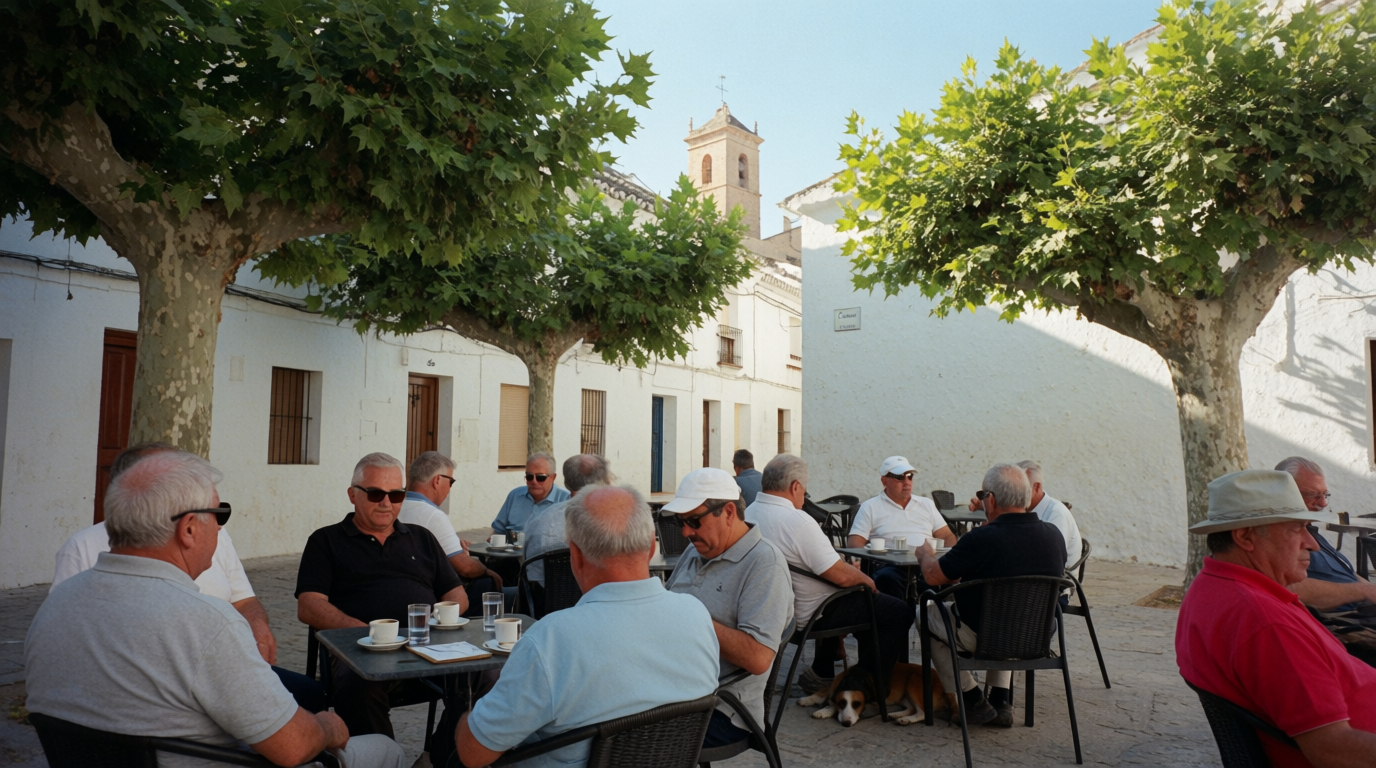
For weekends there is plenty to do without leaving the municipality. Walking routes climb into the hills behind the village and into the Sierra Crestellina area, and there are Roman remains at Torre de la Sal on the coast and sulphur springs inland that the Romans also used. For larger shops, hospitals and a wider choice of restaurants, you will be driving to Estepona or Manilva, and Málaga airport is roughly an hour away by road.
Who tends to be happiest
The village suits people who want character and a slower rhythm: walkers, remote workers with a good connection, and couples who have already decided they like village life and do not mind a steep street. It also suits anyone who wants to be part of a small community rather than a resort.
The coast suits families with young children who want a beach within reach, retirees who prefer a flat walk, and summer owners who lock up and leave without a second thought. Golfers will find the courses inland a short drive from either.
Year-rounders can be very content here, as long as they enjoy quiet. If you picture café after café, an old town to wander in the evening, and a social calendar that fills itself, you may be happier elsewhere.
What Casares is not
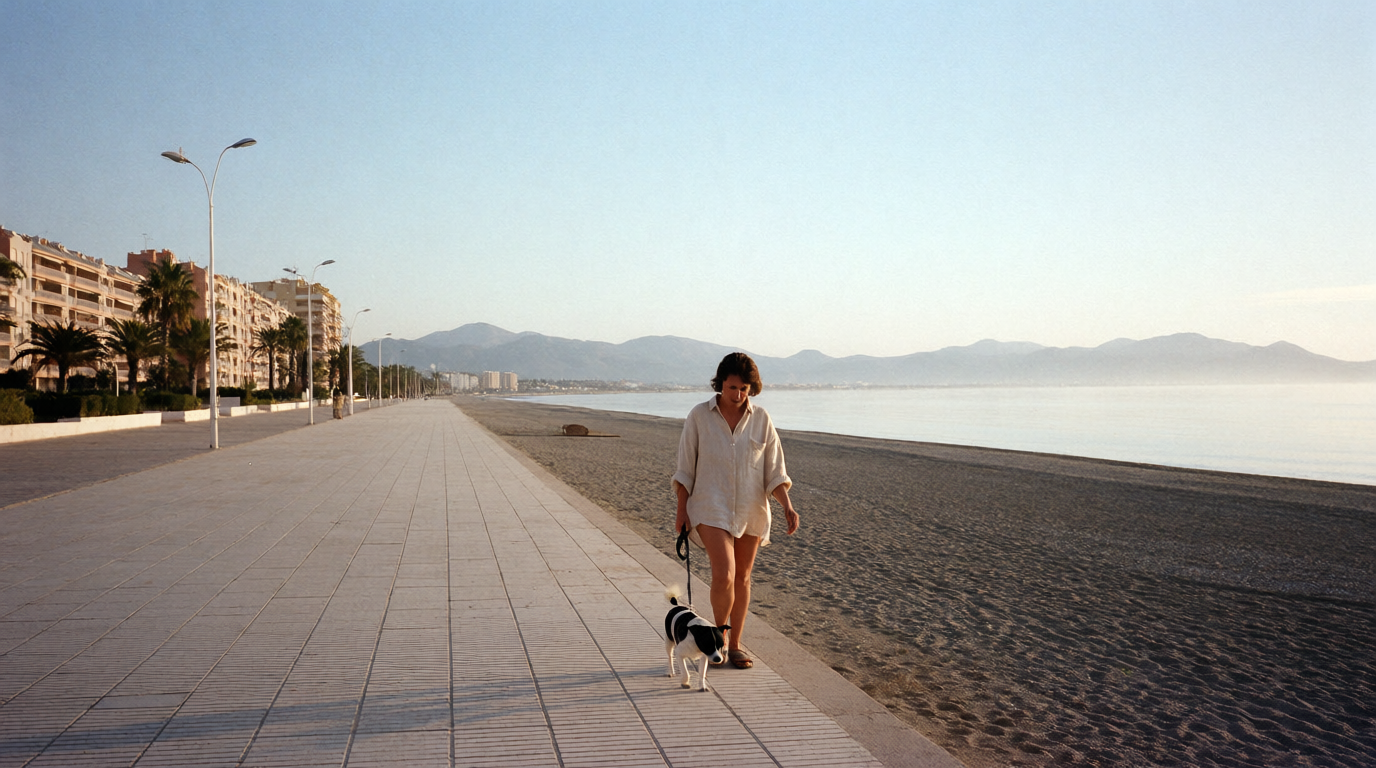
Casares rewards people who want a place to settle into, and disappoints those who want a place that entertains them.
It is not a town with a large old quarter full of shops and bars, and the coastal strip does not have the buzz of a bigger resort. Everyday services are more limited than in a town of size, and you will use the car often.
If you want a proper old town and a wider choice of everything within walking distance, Estepona to the east is the natural alternative. If you like the idea of a working harbour and a livelier shoreline, Manilva to the west is worth a look. Both sit within easy reach, so you can try them side by side before deciding.
Before you decide
If you are weighing up Casares, spend time in both places and in more than one season. Walk the village in the morning, then drive down and sit on the promenade at dusk. Visit once in winter, when the picture is least flattering and most honest.
When you are ready, we are glad to introduce you to local experts who know the village and the coast well. Get in touch, and we will help you work out which Casares fits the life you want.

The introduction
The local expert who knows this coast
We are not the estate agency. We are the introduction. When a piece like this turns into a plan, we connect you with a vetted local expert who knows the town and speaks your language.
Find your local expert