Jávea: an old town, a port and a mountain to live beside
By Penrose Bay EditorialPublished October 26, 20266 min read
Jávea (Xàbia, in Valencian) is a town that rewards the person who stays past the first week. It has a big, craggy mountain behind it, a bay in front, and a way of dividing itself into distinct places that each suit a slightly different kind of life.
That is worth understanding before you fall for a view. Jávea is not one beach town with a high street. It is an old inland town, a working port, a long sandy beach and a scatter of hillside and clifftop neighbourhoods, all within a few minutes of each other by car.
Here is how we would describe it to a friend who was thinking of living here, not just visiting.
Three centres and a mountain
The old town (the Pueblo) sits a little inland, built around the fortress-like church of San Bartolomé, with stone lanes, arcaded corners and small squares where plane trees give shade. It feels like a Spanish town that happens to be near the sea, rather than a resort. Life here is closest to year-round: bakeries, ironmongers, bars that fill at lunchtime with people who work nearby. Streets are narrow, parking is tight, and many houses are older, so you should expect character and the quirks that come with it.
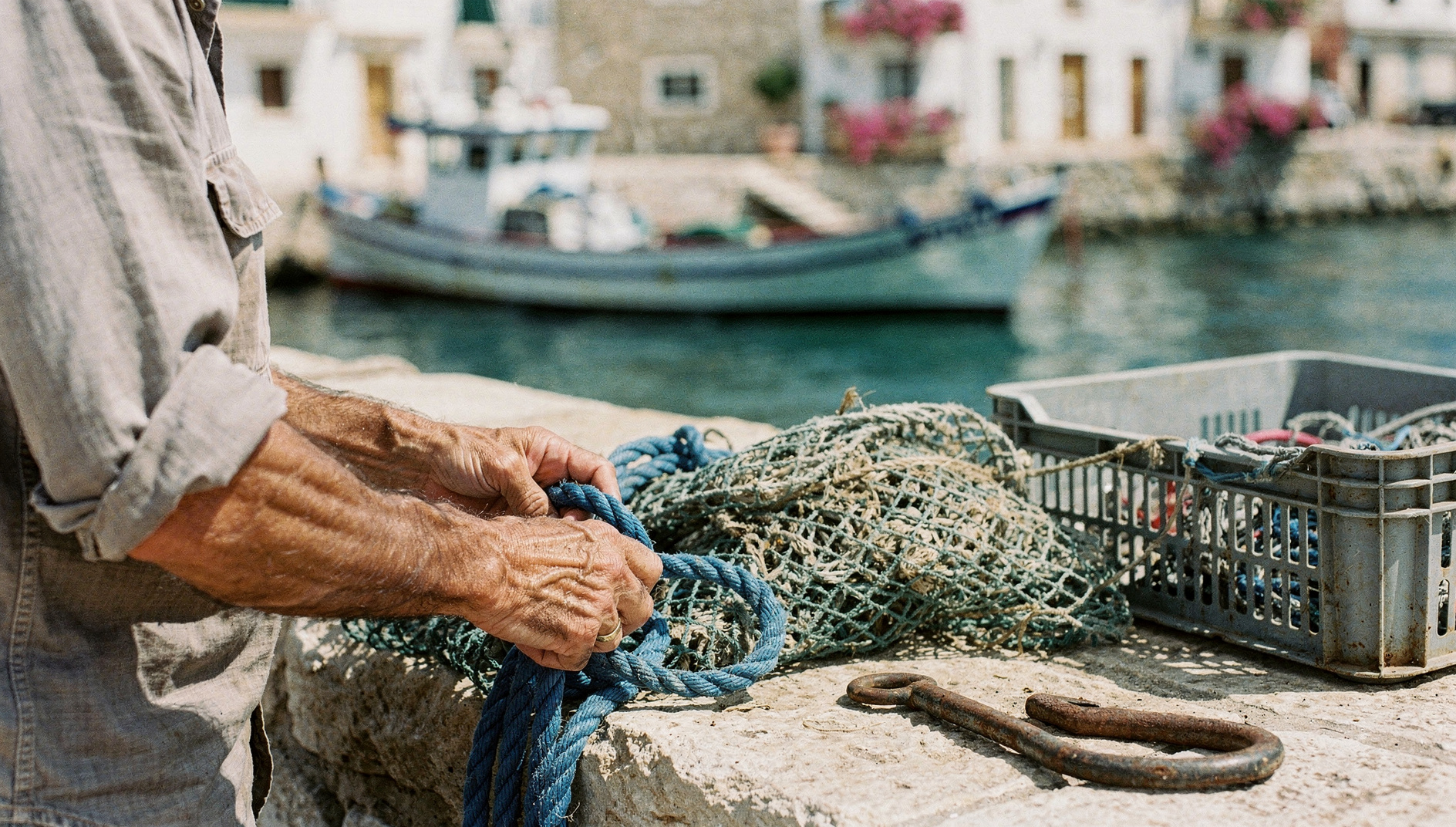
The port (Duanes de la Mar) is the fishing harbour, with a promenade, the Club Náutico, seafood restaurants and the pebbly Playa de la Grava beside it. The working boats still matter here, and the lonja, the fish market, gives the area a rhythm that holidays alone would not. It is lively in summer and calmer, but not empty, in winter.
The Arenal is the long sandy beach with a promenade, cafés and restaurants along it, and apartments close behind. It is the easiest place for families and for anyone who wants to walk to the sea in flip-flops and walk back for lunch. It is also the busiest part of town in July and August.
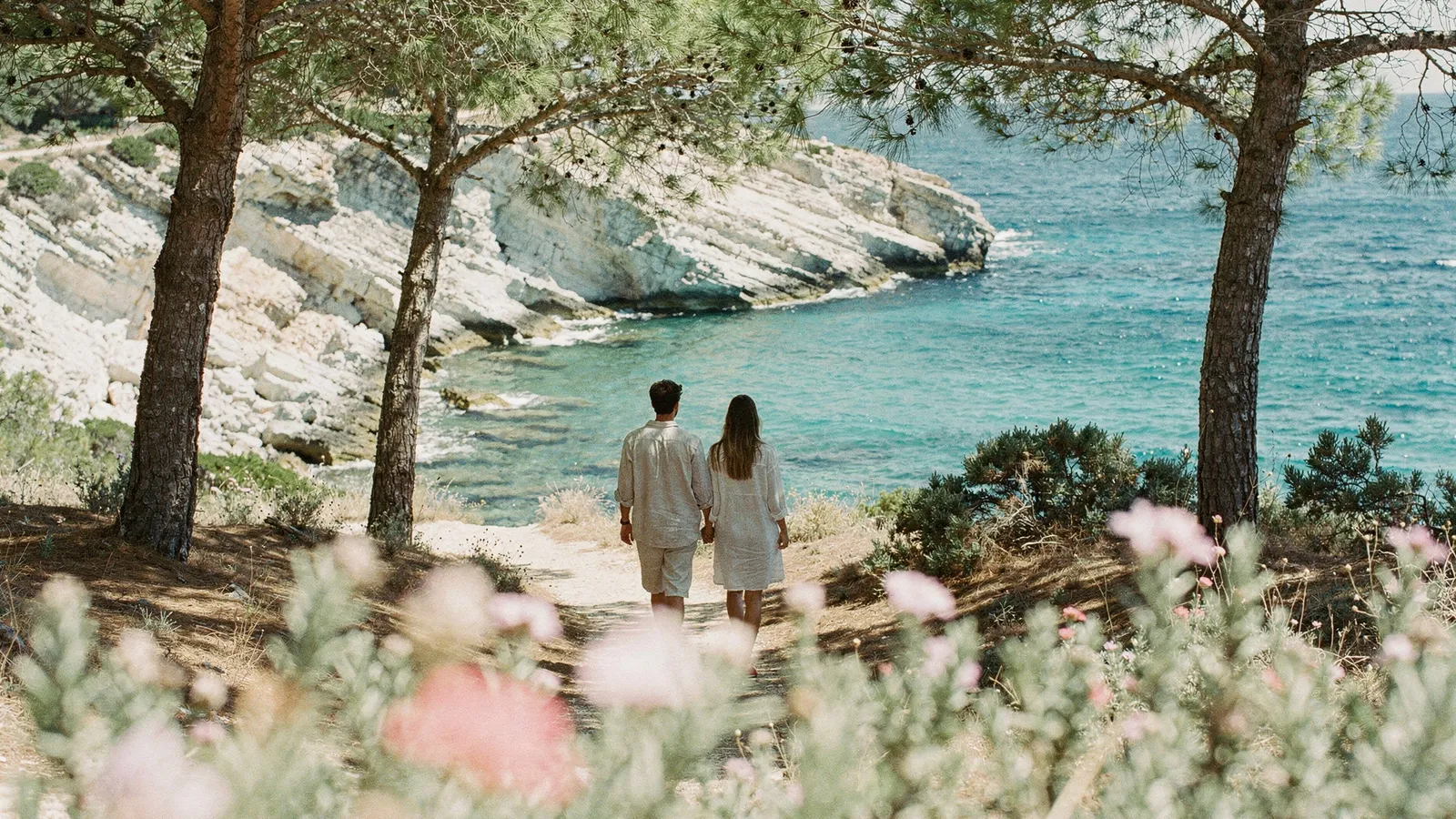
Then there is the Montgó, the limestone mountain that dominates the skyline, and the hills and headlands around it. Cabo de la Nao and Cabo San Antonio mark the ends of the bay, and between them the coast breaks into small coves and clifftop roads. Many of the villas and urbanisations sit on these slopes, which gives you sea views and quiet, but also gradients, bends and a reliance on the car.
Jávea through the year
Summer is the loud season. The Arenal and the port fill with Spanish families and visitors from across Europe, restaurant tables are booked ahead, and parking near the sea needs patience. The coves are lovely and also popular, so locals tend to go early or late.
Autumn is when many people who live here say the town feels like itself again. The sea is still pleasant, the crowds thin, and the light over the Montgó turns clear. It is also the season when heavy rain can arrive on this coast, so it is worth asking about drainage and access on any hillside road.
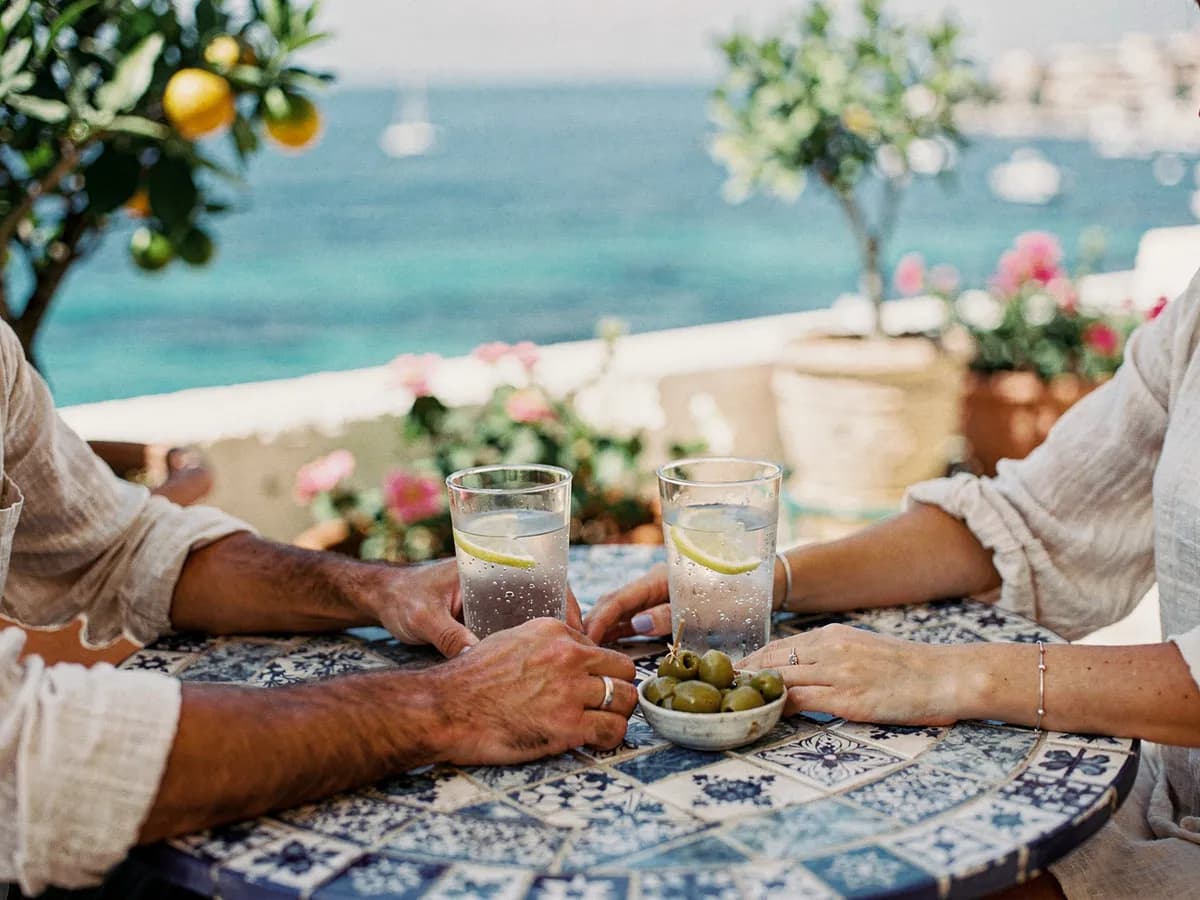
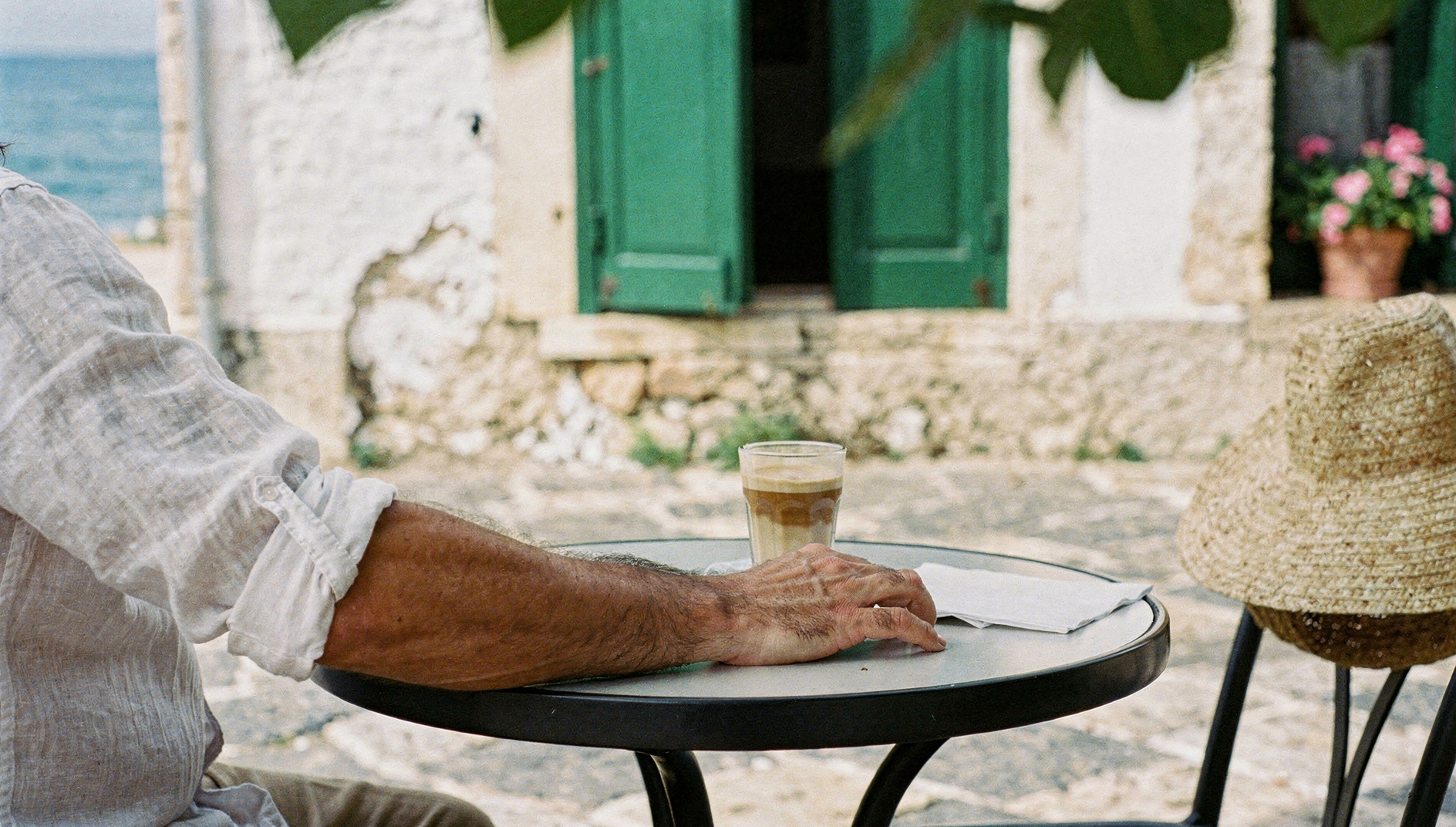
Winter is quieter, and some seasonal places close, but the town keeps going. The old town markets, the bars, the walking on the Montgó and the cape paths all carry on. If you picture a long, calm winter with coffee on a sunny terrace, Jávea can deliver it. If you picture a buzzing nightlife scene all year, it will feel sleepy.
Spring brings walkers, cyclists and open windows. It is an easy time to test whether the place suits you.
Visit in the month you are least likely to visit. A grey February morning will tell you more than a perfect July afternoon.
Daily life, as a resident
The weekly market in the old town is the clearest window into local life, with fruit, vegetables, olives, cheese and the usual stalls, and a table at a nearby café afterwards is part of the ritual. Beyond that, daily life here is the bakery before breakfast, the lunchtime menú del día in the port or the old town, and a walk in the evening along the Arenal or the harbour front.
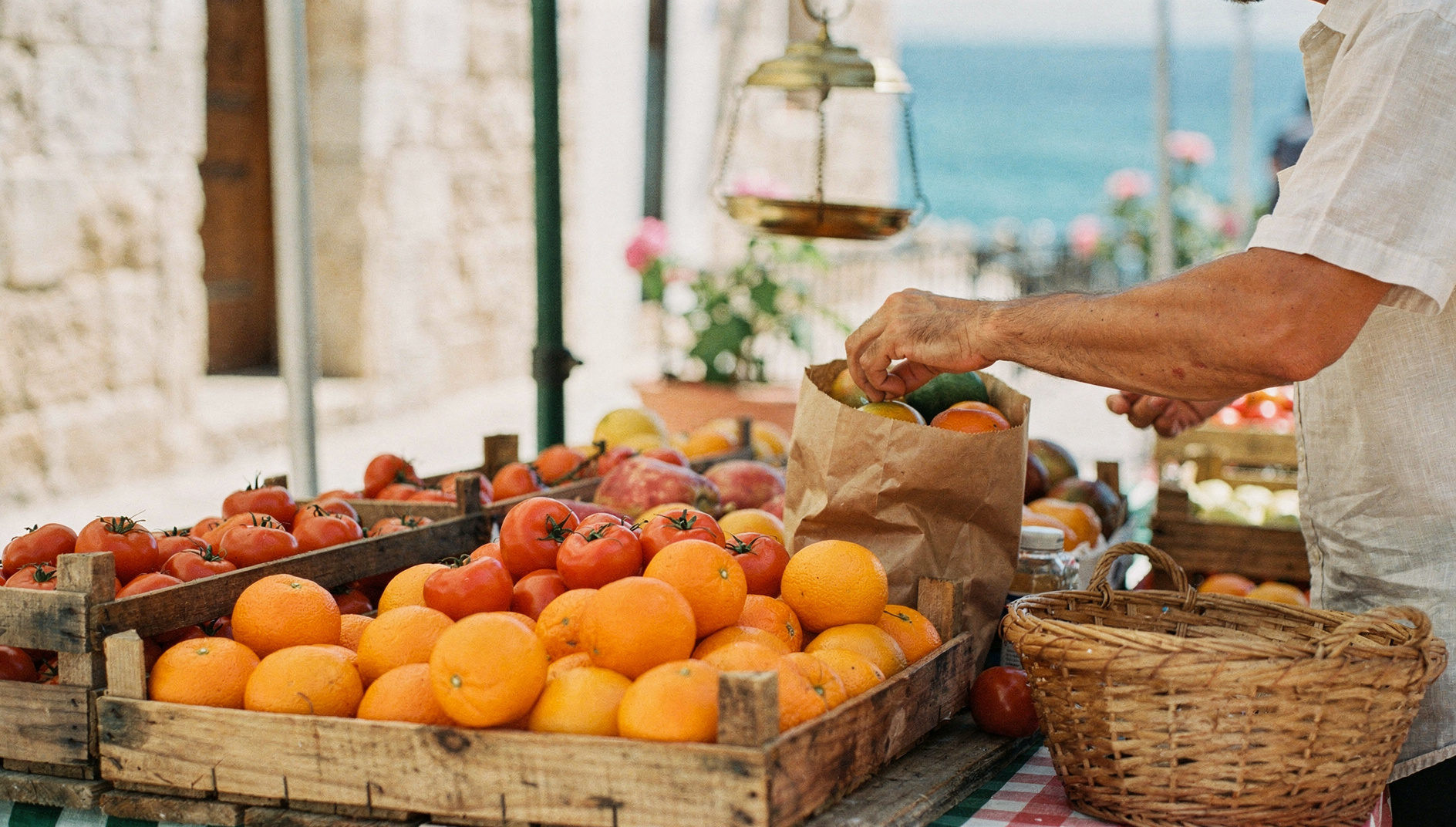
Food leans on the sea. Expect rice dishes such as arroz a banda, grilled fish and the stews of the Marina Alta coast, with local moscatel wines as an afterword. Valencian is spoken alongside Spanish, and you will see it on street signs, which is part of the town's identity rather than a hurdle.
Outdoors, the Montgó and the coastal paths are the big draw. Sailing and diving also bring a steady community around the port. Without a train station in town, the car is your main way of getting about, and the tram along the coast stops in Dénia, the neighbouring town to the north. Alicante airport is a little over an hour away by road.
Who tends to be happiest here
Jávea suits people who like having several textures within reach. In plain terms:
- Walkers and cyclists who want a mountain and cape paths on the doorstep.
- Sailors, divers and swimmers who treat the sea as a daily habit, not a backdrop.
- Year-rounders who value a real old town and a calmer winter.
- Families who want beaches, schools and an outdoor routine, and who are happy to drive between them.
- Remote workers who prize quiet, though it is sensible to check the actual connection street by street, especially on the hills.
Summer-only owners can enjoy it too, particularly near the Arenal or the port, where a lock-up-and-leave apartment is practical. If you want a home that feels alive in January, the old town and port areas tend to hold more everyday life.
What Jávea is not
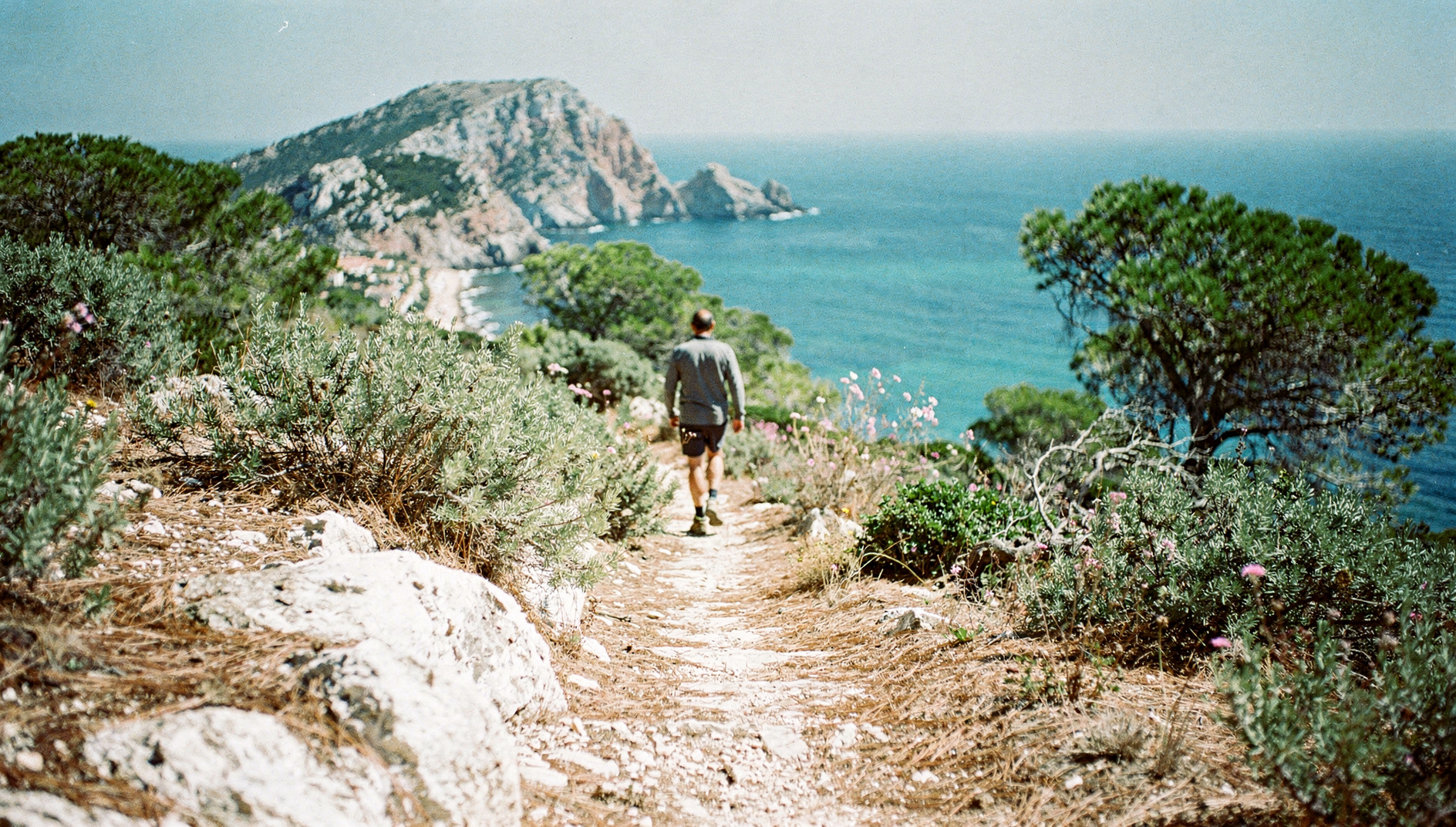
It is not a place for people who want everything on foot. Many of the most attractive homes are on slopes, and you will drive for groceries, schools and appointments. It is not a nightlife town either, and it is not a big transport hub.
The main sandy beach is the Arenal. Elsewhere the coves are often pebbly or rocky, beautiful but not made for dragging a toddler and a parasol. If a long flat sandy shoreline on your doorstep is the point, check carefully before choosing a house on the headland.
Some people will be better served next door. Dénia has more of a working-town scale and the coastal tram. Moraira is smaller and calmer in feel, and Calpe has a very different, more resort-minded energy with its Peñón and two beaches. The right one depends on how you want an ordinary Tuesday to feel.
If Jávea is on your list
Spend time in all three centres and at least one hillside before you decide. Walk the old town on market day, eat at the port in the off season, and drive up to the coves on a weekday.
When you are ready to talk it through, get in touch. We will introduce you to vetted local experts who know these streets and slopes, and we will never push you towards a decision.
The introduction
The local expert who knows this coast
We are not the estate agency. We are the introduction. When a piece like this turns into a plan, we connect you with a vetted local expert who knows the town and speaks your language.
Find your local expert