Benissa: a working town in the hills with the sea a short drive off
Autor: Penrose Bay EditorialOpublikowano 4 września 20265 min czytania
Benissa does not perform for visitors the way some of its coastal neighbours do. It is a working town first, with a wine cooperative, a weekly market that locals actually shop at, and an old town built of stone and stucco rather than whitewash for show. The coast is four kilometres away, reached down a road through vineyards and carob trees, and that short distance changes everything about how the town feels.
People who end up loving Benissa tend to be the ones who wanted a real Spanish town with a beach attached, rather than a beach town with some Spanish scenery behind it. It rewards patience and a car. It does not reward anyone hoping to walk out of their door straight onto sand.
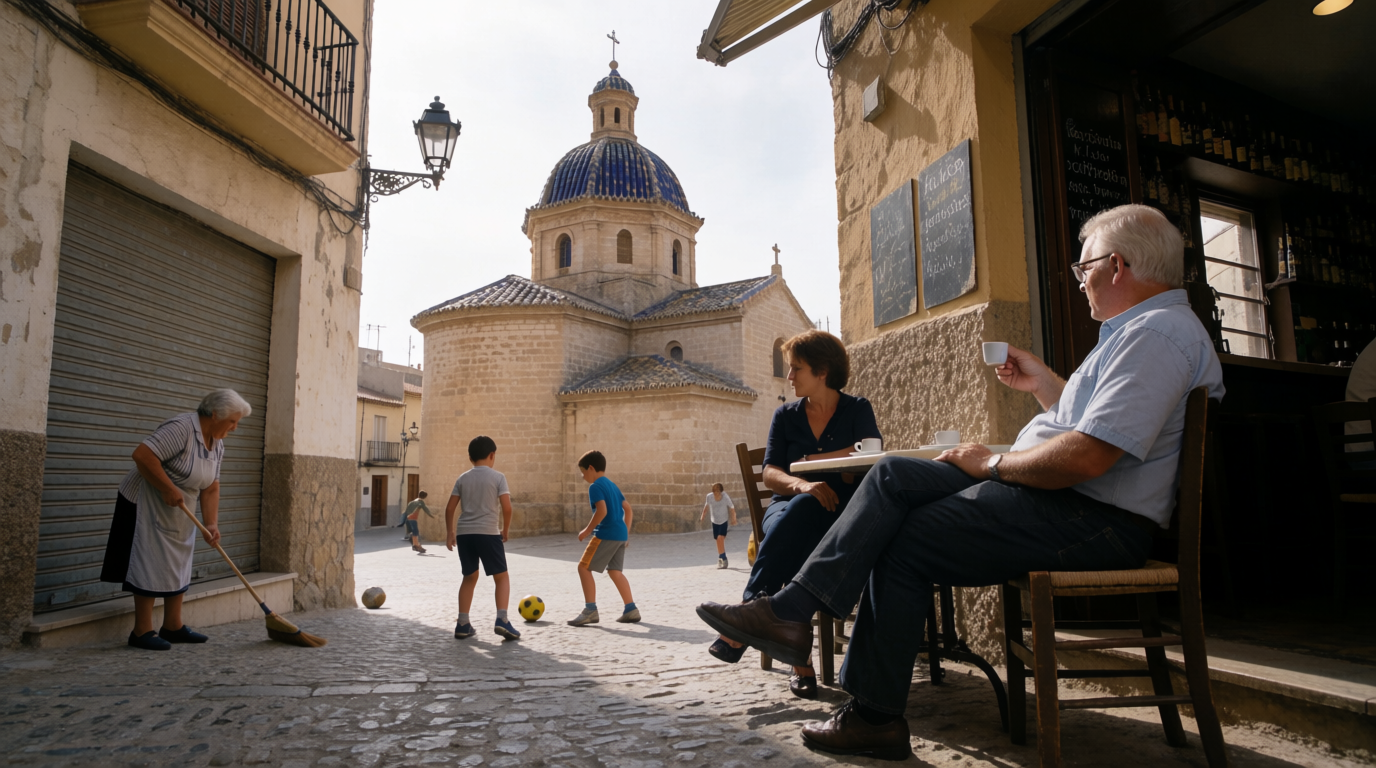
The town itself sits on a ridge, visible from a distance thanks to the blue-tiled dome of the Purísima Concepción church, sometimes called the cathedral of the Marina Alta for its scale. Below it, the old streets run narrow and steep, lined with stone houses, small workshops, and bars that have not changed their tiled counters in decades.
Life in the old town versus life on the coast
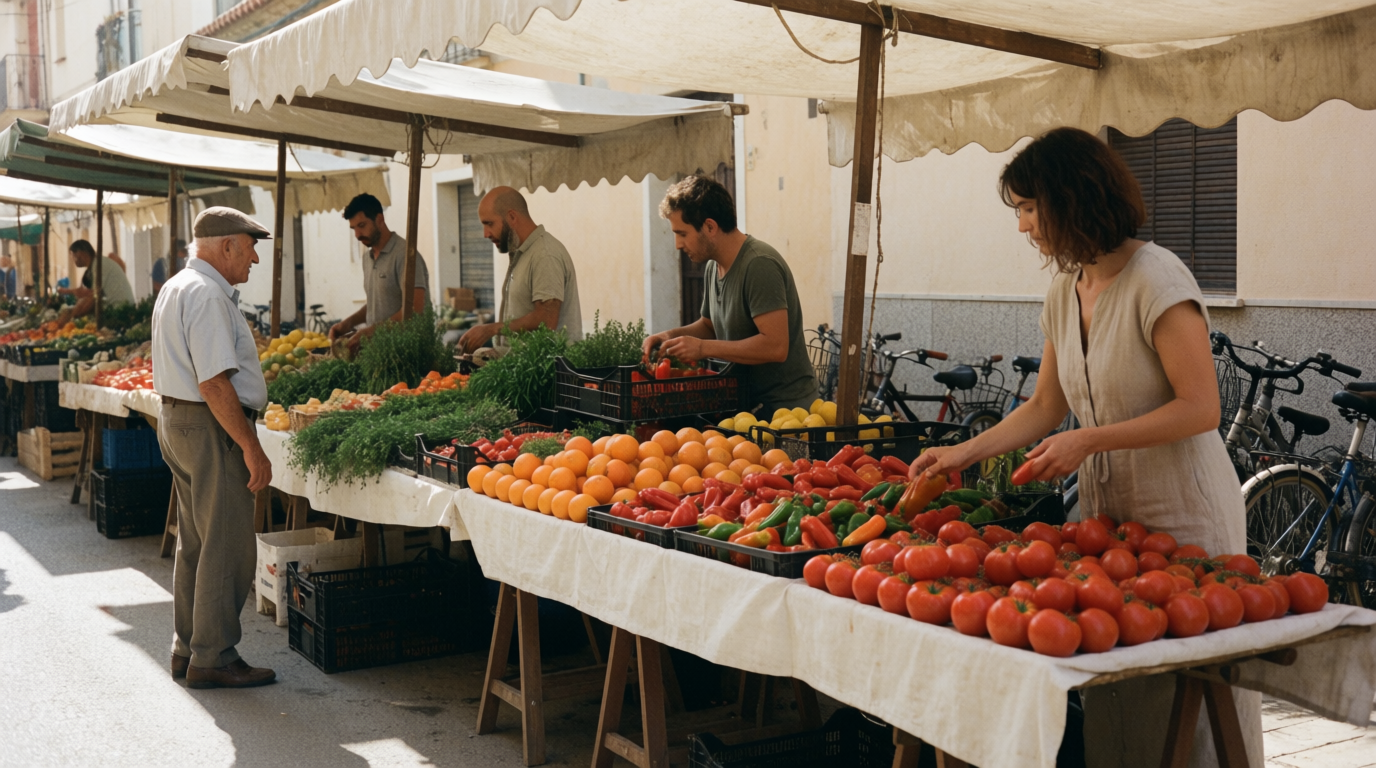
Benissa is really two places joined by a road. The casco antiguo, the old town on the hill, is where the everyday Spanish life happens: the Tuesday market, the pharmacy, the bank branch, the bakery queue at eight in the morning. Property here tends to be townhouses, some beautifully restored, some still waiting for someone to take them on.
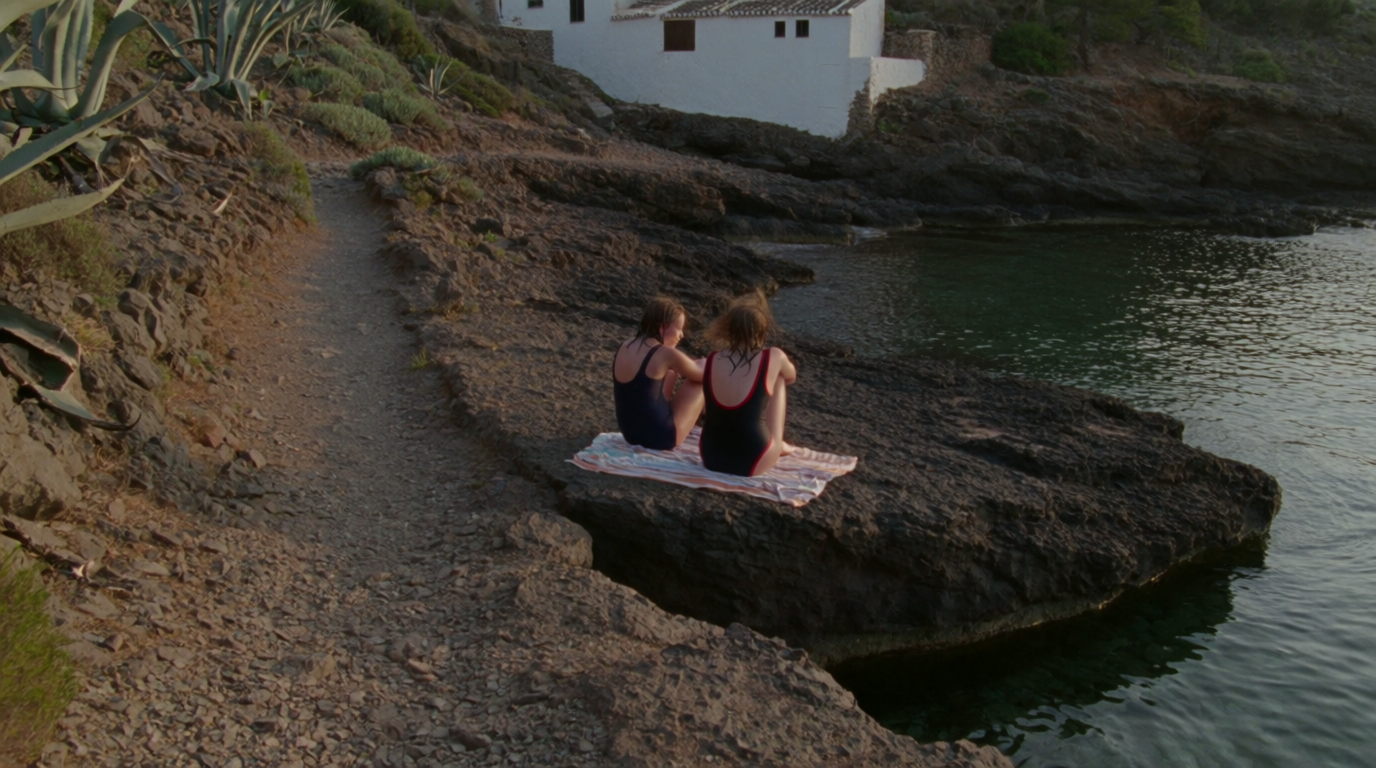
Down at the coast, around Fanadix, Baladrar, and Les Bassetes, the feel changes completely. This is villa country, quiet and residential, built mostly from the 1970s onward on the slopes above small rocky coves. There is no promenade, no strip of bars, no real centre at all. What there is instead is sea view, pine cover, and a kind of hush that a lot of people are specifically buying.
Choosing between the two is really choosing between two different lives. The old town gives you neighbours, errands on foot, and a sense of being part of something. The coast gives you privacy, a pool most likely, and a drive into town whenever you need bread or company.
The rhythm of the seasons
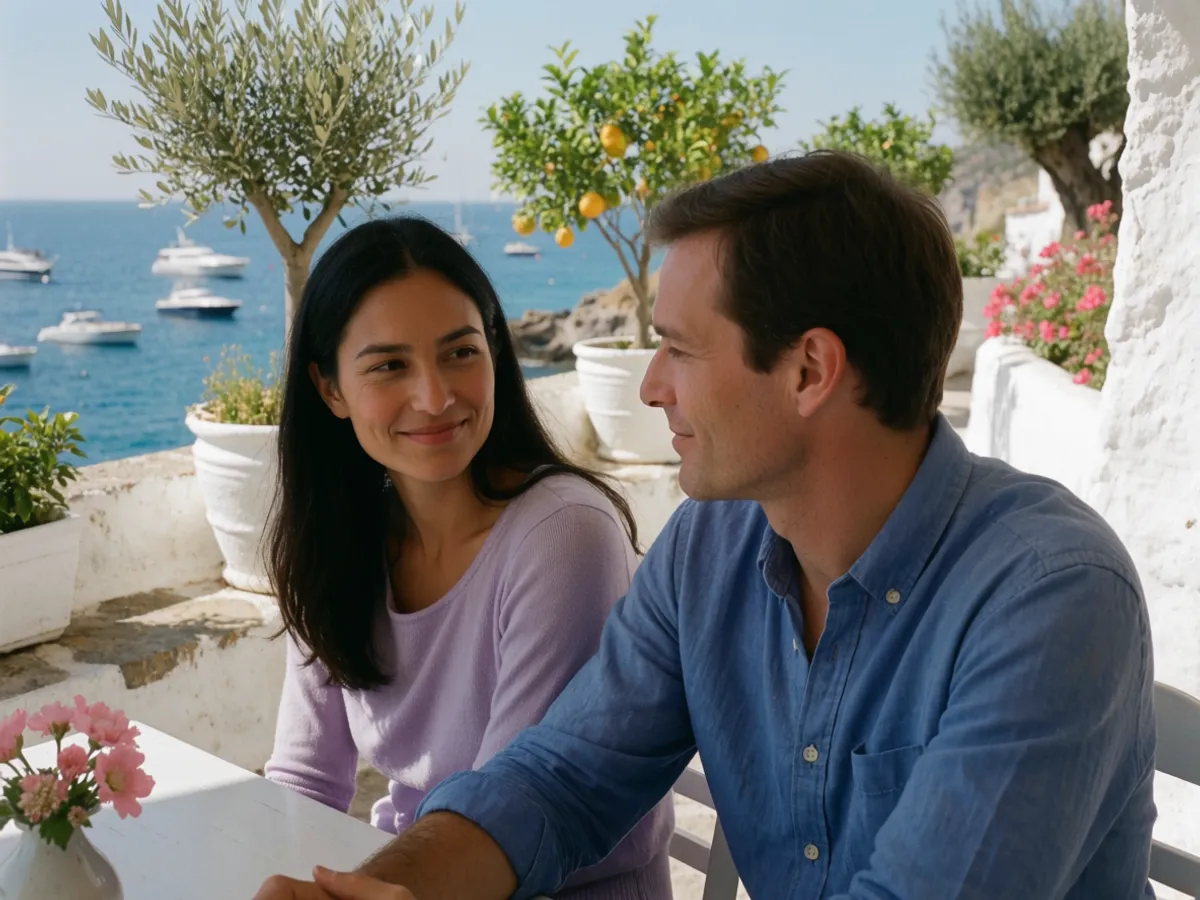
Summer in Benissa's coastal coves is lively without being loud. Les Bassetes and Baladrar fill with Spanish and northern European families who know the area well and return year after year, but there is no nightlife strip and no late-night noise to speak of. The old town, meanwhile, keeps its own rhythm regardless of season, market day, mass on Sunday, the same three cafés doing the same steady trade.
Autumn is when the wine harvest happens, and it still matters here. Benissa's cooperative, part of a tradition of moscatel grapes on these slopes, marks the turn of the year as clearly as any calendar. Almond blossom in late January and February does something similar, whitening the hills above town for a few short weeks that locals plan walks around.
Winter is quiet, properly quiet, especially down at the coast where summer houses sit closed and shuttered. The old town does not empty in the same way. It has its year-round population, its Sunday market that runs regardless of the month, and enough daily business to keep the lights on in most of its bars.
Who tends to be happiest here
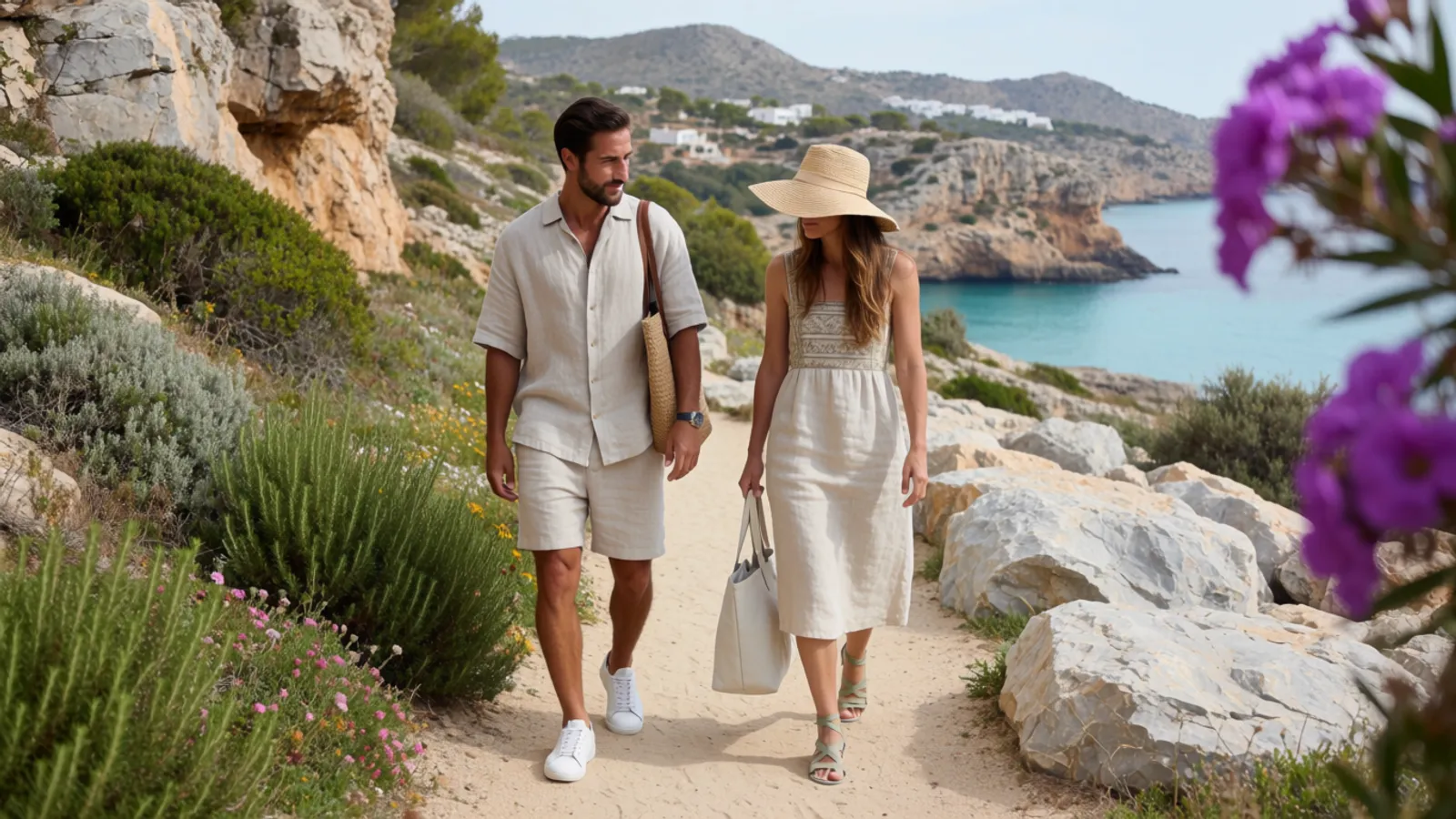
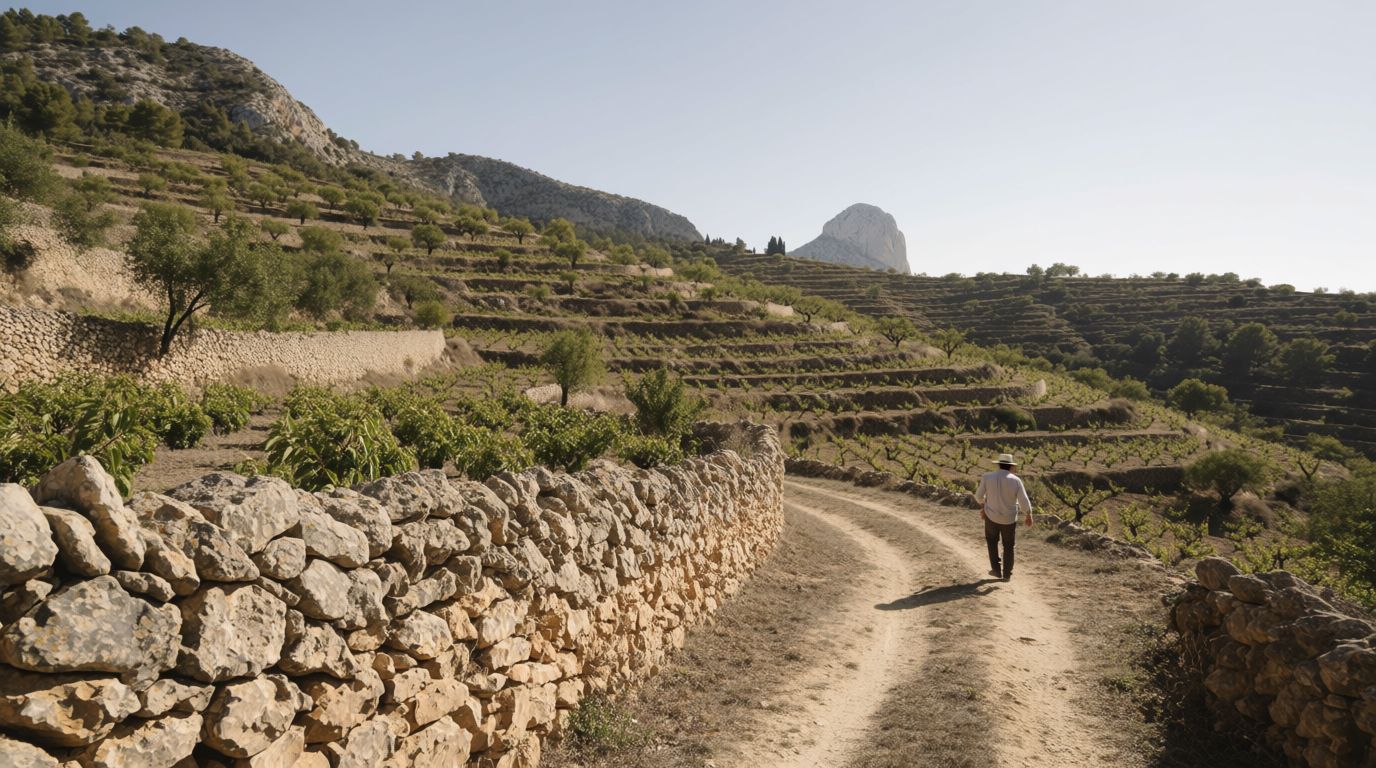
Retired walkers do well in Benissa. The hills behind the town, part of the wider Marina Alta countryside, are laced with old farm tracks and dry stone walls, and the Camino de Santa Lucía out to the coast is a walk many residents do weekly rather than occasionally.
Families who want their children in the rhythm of a real town, rather than an expat enclave, also settle in well here, particularly those enrolling children in the local Spanish school rather than an international one further along the coast. Remote workers can make it work too, provided they are the sort who do not need a buzzing café scene outside their window, since Benissa's charm is quieter than that.
What Benissa is not, and this matters, is a golf destination or a nightlife town. Someone wanting fairways on the doorstep is better served in Jávea's northern edges or further south toward La Sella. Someone wanting beach bars and a lively summer scene within walking distance would be happier in nearby Calpe or Moraira, both a short drive away but built around their waterfronts in a way Benissa deliberately is not.
Getting around and getting to know it
The N-332 runs along the coast and connects Benissa to Calpe in one direction and Moraira and Jávea in the other, each about ten minutes by car. Alicante airport is roughly an hour south, Valencia airport around ninety minutes north, so it sits comfortably between the two without being especially close to either.
There is no train line through Benissa itself, which is part of why a car here is not optional but essential, for the school run, the supermarket, and the coast alike. That single fact filters out a certain kind of buyer before they even arrive, and filters in another kind who was already planning on a car regardless.
Benissa asks you to choose a life on the hill or a life by the water, and then to accept the short drive that joins the two.
It is a town best understood slowly, over a few visits in different seasons, walking the old streets on a market morning and then driving down to sit at Baladrar with a coffee as the evening cools. If that sounds like the kind of place you have been picturing, we would be glad to help you get to know it properly, and to introduce you to people on the ground who know its streets and its coves as well as we do.
Przedstawienie
Lokalny ekspert, który zna to wybrzeże
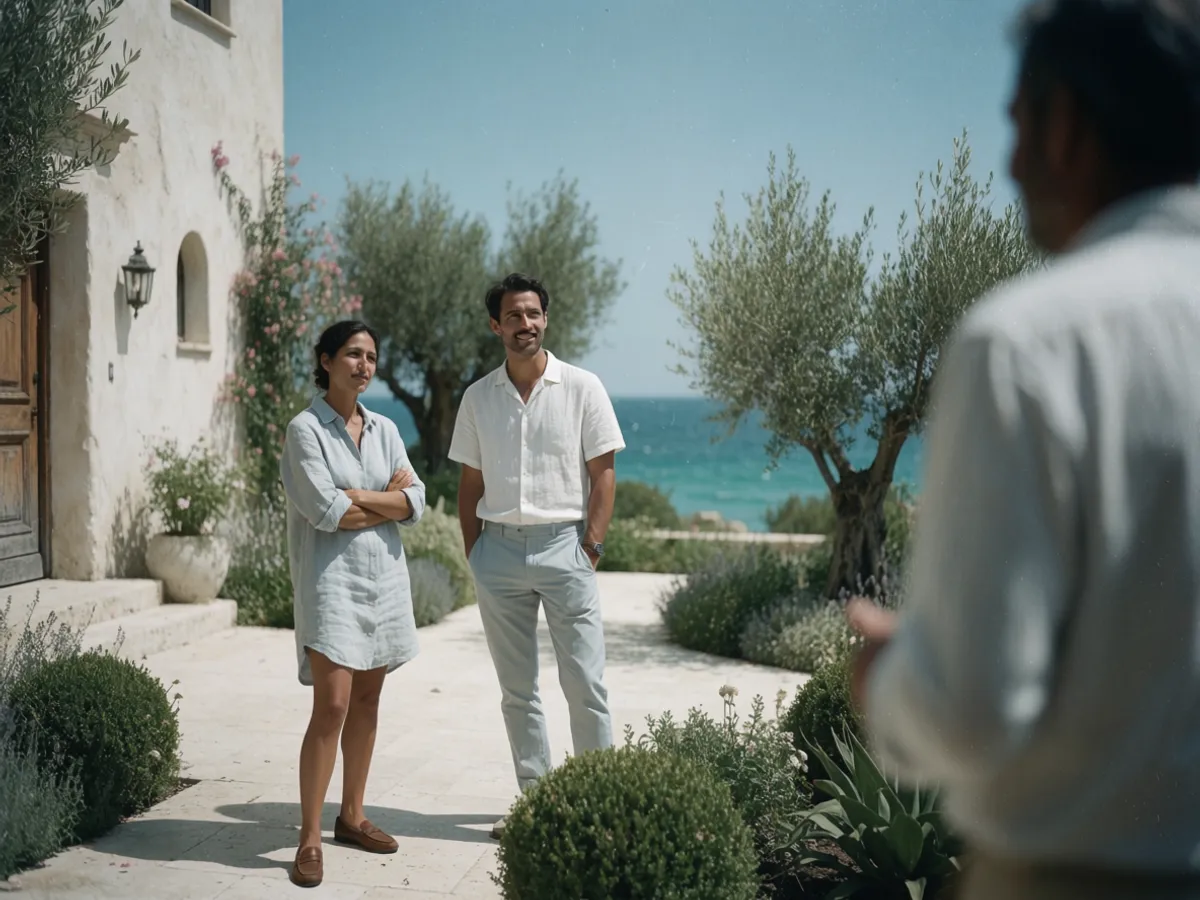
Nie jesteśmy agencją nieruchomości. Jesteśmy przedstawieniem. Gdy taki artykuł zamienia się w plan, łączymy Cię ze sprawdzonym lokalnym ekspertem, który zna miasto i mówi w Twoim języku.
Znajdź lokalnego eksperta