The morning bar, and the coffee habit that starts the day
Af Penrose Bay EditorialUdgivet 1. oktober 20265 min. læsetid
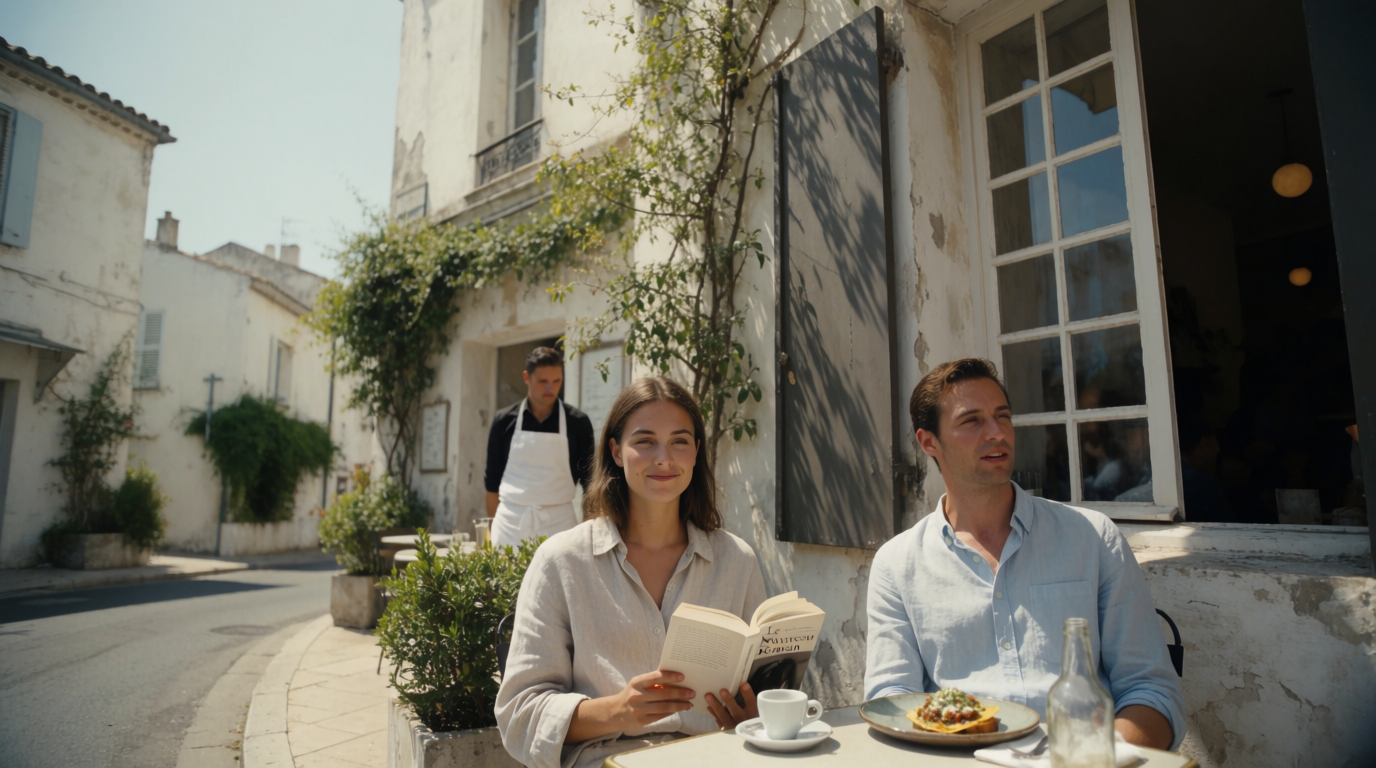
Walk through any coastal town at half past eight and you will notice the same thing. The pavement tables are already full, the barman is calling orders across the room without seeming to raise his voice, and nobody looks as if they are going anywhere in a hurry.
This is the morning bar, and it is one of the quiet pillars of life on both our coasts. It is not a coffee shop in the way northern Europe has come to know them, with laptops and takeaway cups. It is a place to stand or sit for ten minutes, say good morning to people you half know, and begin the day on the right foot.
For anyone thinking of living here, it is worth understanding early. A great deal of the coast's social life starts at this counter, long before the beaches fill.
Learning to order in Málaga
On the Costa del Sol, and in Málaga above all, coffee has its own vocabulary. The old system is built around how much milk you want, and it is charming once you have it. A solo is a straight espresso, a cortado has a little milk, and a corto is a short, strong one.
Then come the Málaga names that surprise visitors. A nube (cloud) is mostly milk with a hint of coffee, a sombra (shadow) has more coffee than that, and a mitad is half and half. You will hear them called out in the old town bars as if everyone had been born knowing them, and in a sense everyone locally was.
Do not worry about getting it wrong. In our experience a barman who hears a hesitant order in careful Spanish is usually more helpful than one who hears confident English.
What goes with it
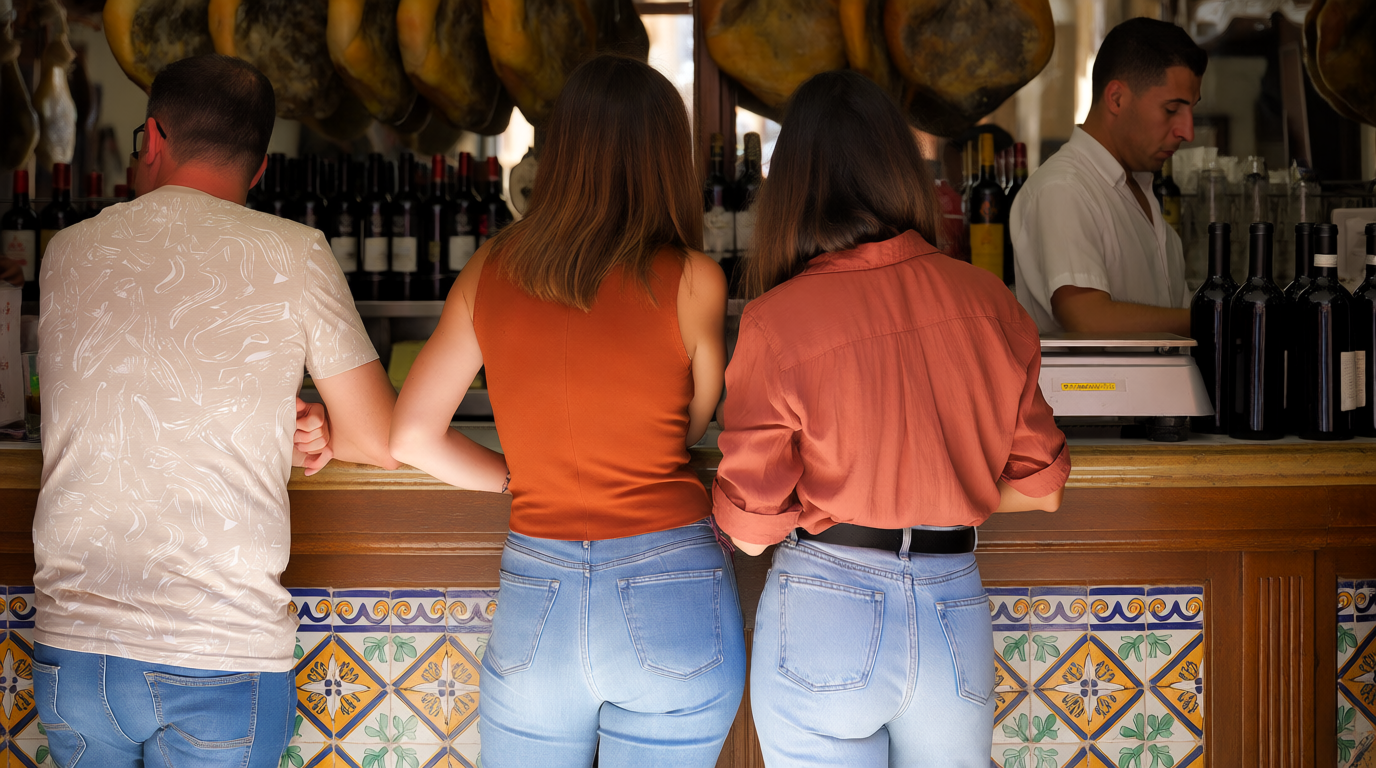
The coffee rarely comes alone. The classic companion on the Costa del Sol is a tostada, toasted bread served with olive oil and grated tomato, sometimes with a slice of jamón or a smear of pork zurrapa. In Málaga you may also see a pitufo, the small, soft bread roll that is the local answer to breakfast.
Further up the Costa Blanca the habits shift a little. In Alicante you can ask for a café del tiempo, an espresso served with a glass of ice so you can pour it over and drink it cold, which feels entirely sensible by June. Across the Valencian region you will also find the bombón, espresso poured over sweetened condensed milk, a small dessert disguised as a coffee.
At weekends and on holidays there is often another ritual: churros or porras, dipped in thick chocolate, with the whole family at one table.
A coffee here is less a drink than a reason to stand somewhere for ten minutes.
The second breakfast
Many people are surprised to find that mid-morning brings a second wave. Around ten or eleven the bars fill again for the almuerzo, a proper bite such as a bocadillo, a tortilla or a small plate, often with another coffee. Tradespeople, market stallholders and retired neighbours all take part.
It explains something about the Spanish day. Lunch is late, dinner is later, and these small anchoring meals are what carry everyone between them.
You will also notice that a coffee after lunch is almost obligatory, and it belongs to the long table rather than the morning counter. We have written about that hour separately, but it is worth knowing that the coast really does run on coffee at four or five distinct moments.
The bar as a town's front room
The most useful thing about the morning bar for an owner is not the coffee at all. It is being known. After a few weeks of turning up at the same time, the barman starts to make your order before you reach the counter, and a nod from the next stool becomes a conversation.
That is how people learn, without ever asking, who the reliable electrician is, when the water will be cut off on your street, or which weekend the local fiesta really begins. We often find that the owners who settle best are the ones who found their bar in the first month and stayed loyal to it.
A few small habits help:
- Stand at the counter if you are in a hurry, and sit if you are not. Terrace tables often cost a little more than the bar.
- Order first, pay at the end. Nobody expects you to settle up until you are ready to leave.
- Leave a few coins if you like, but tipping is a gesture here, not a requirement.
- Say buenos días when you walk in. It matters more than any other phrase you will learn.
Choosing your morning
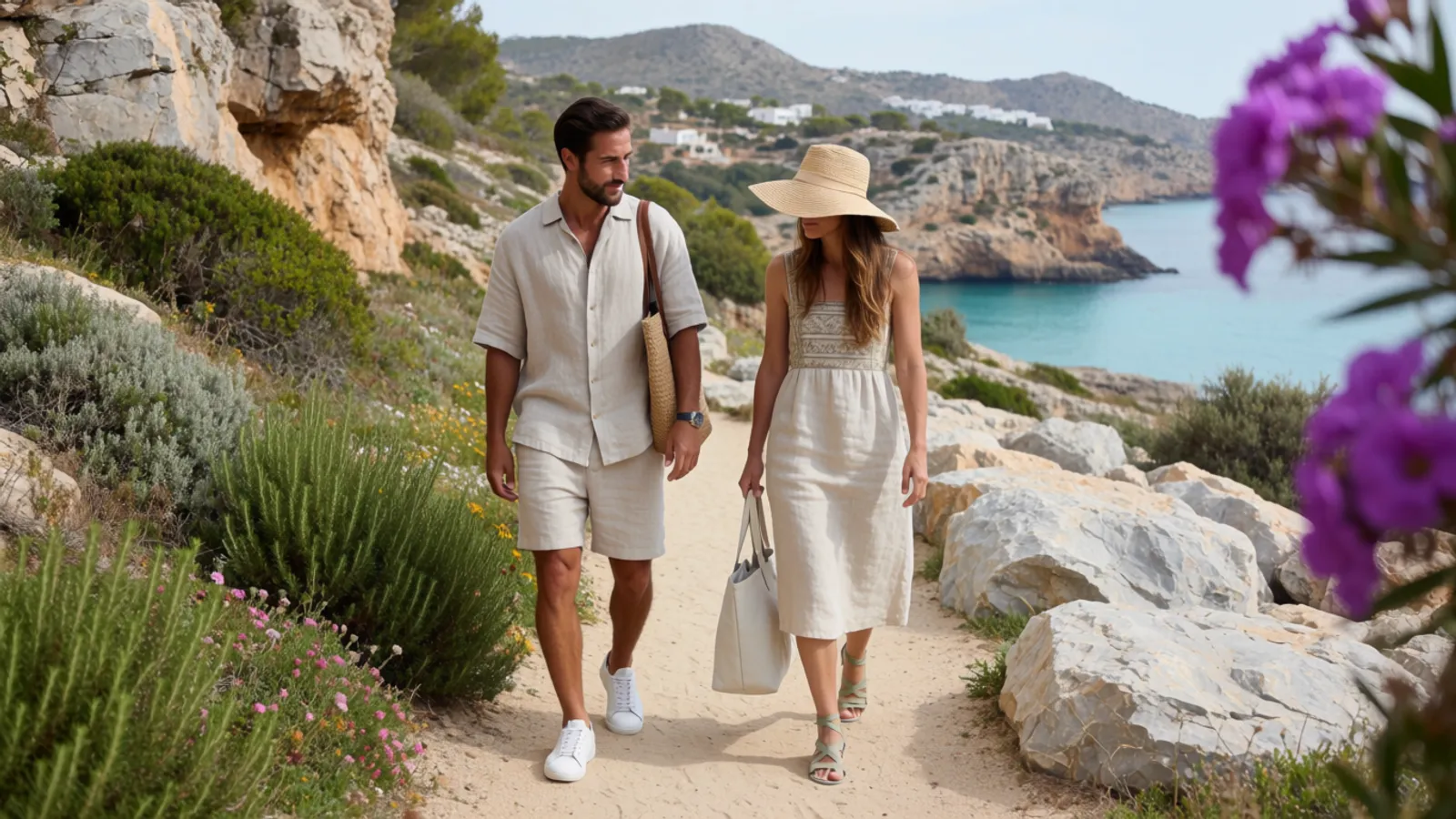
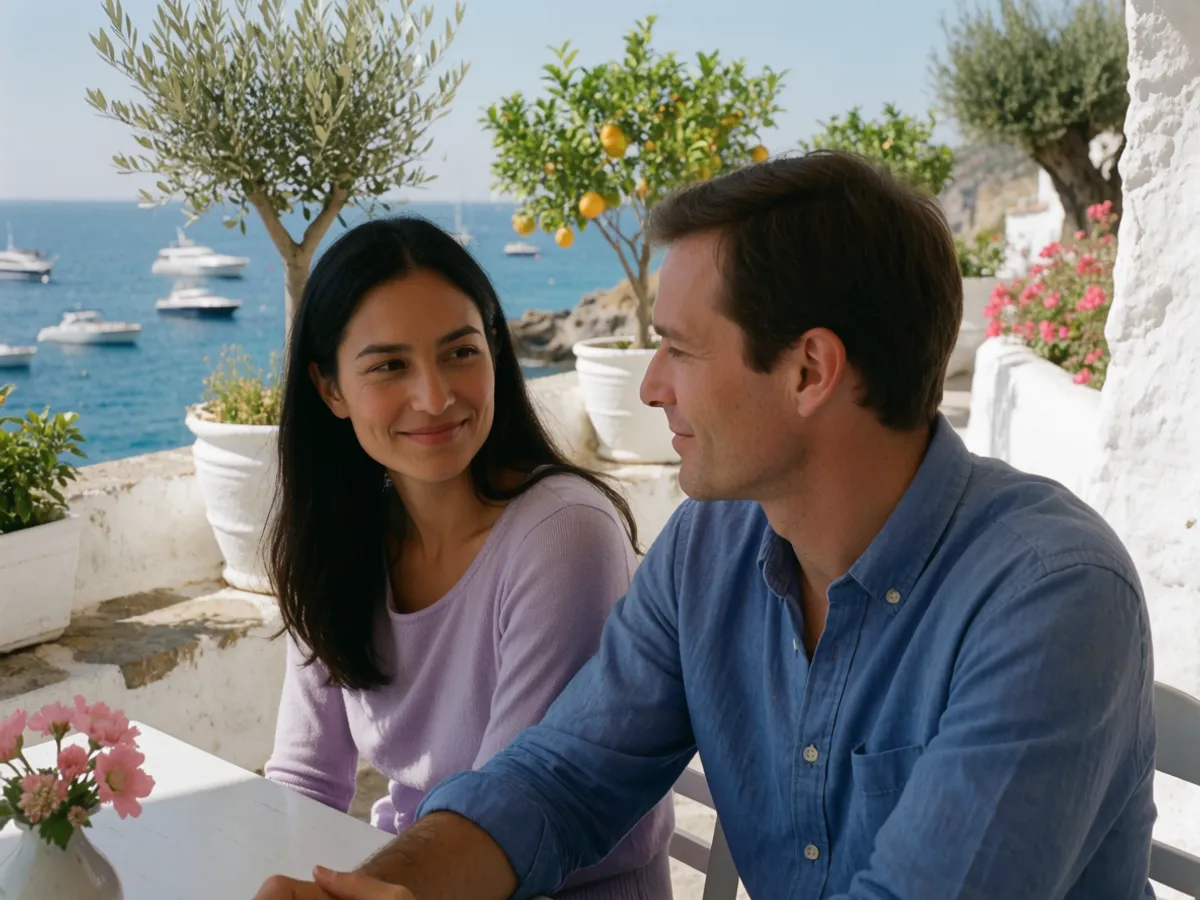
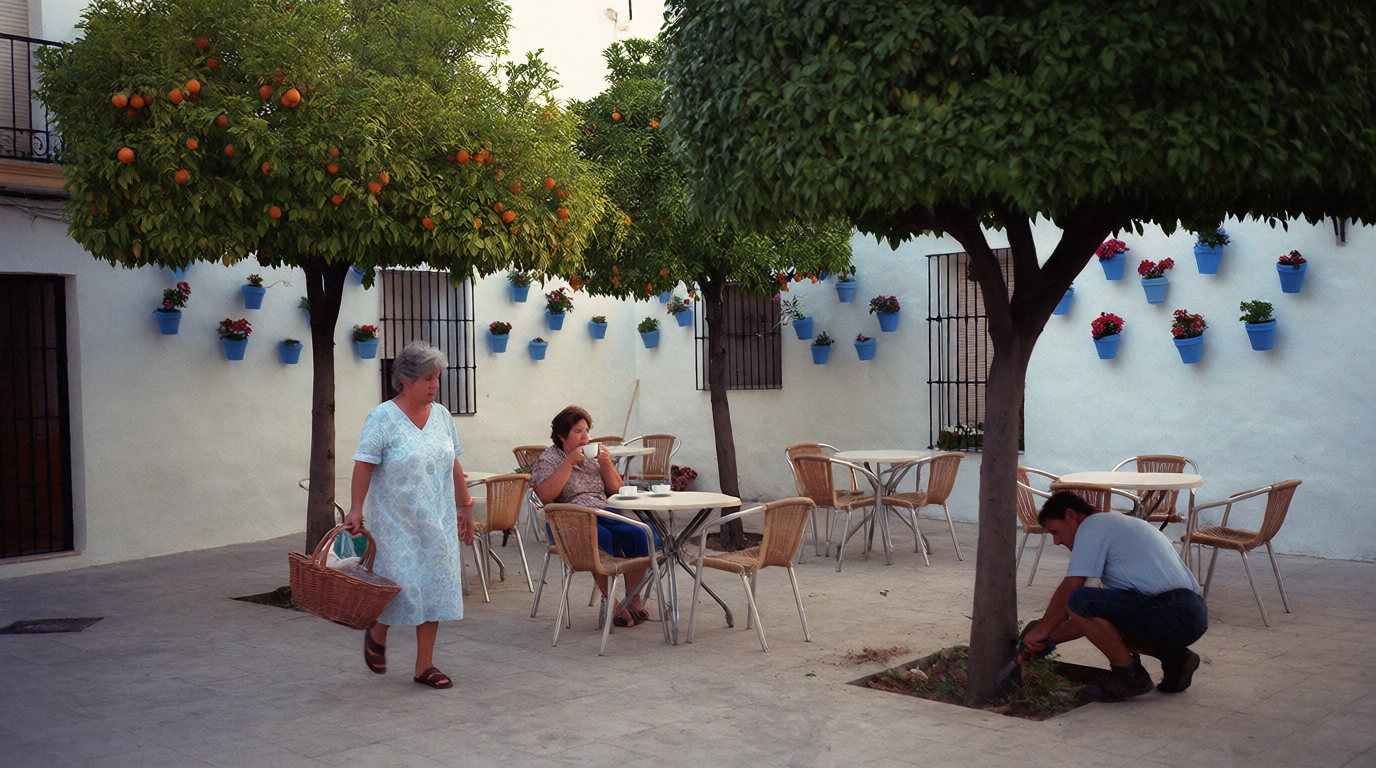
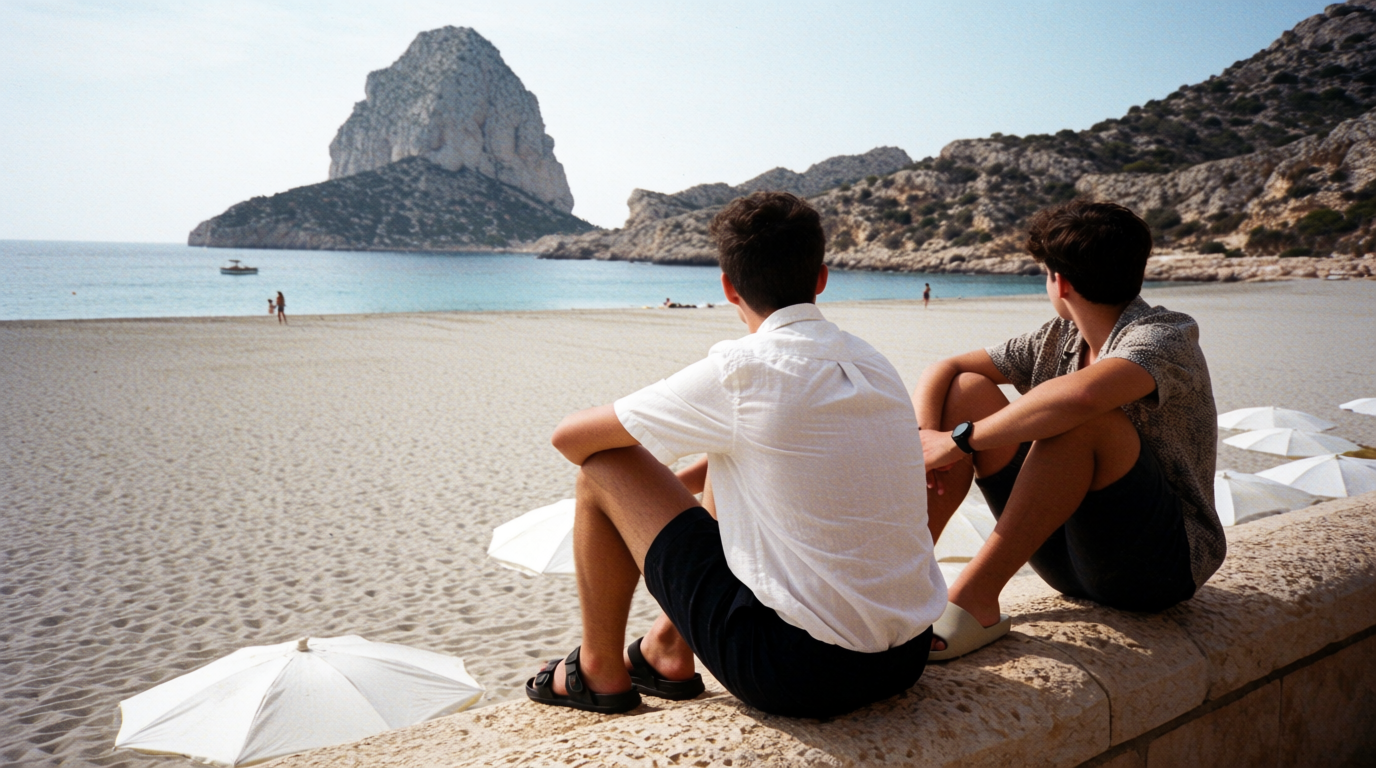
Every town has a different morning. In Nerja it is the long, slow terraces near the Balcón de Europa. In the old streets of Estepona it is a table beneath the orange trees. In Calpe and Jávea it is often a seafront bar before the heat, with the Peñón or the Montgó already clear against the sky.
It is a good test for a place you are considering. Spend three mornings in one bar, order the same thing, and see how it feels to belong there. If you find yourself looking forward to the fourth, you may have found more than a coffee.
Come and find yours
We would be glad to help you work out which town's morning suits you, and to introduce you to trusted local people when the time comes to make it practical. If you would like to talk it through, get in touch with us and we will happily pour the first cup.
Introduktionen
Den lokale ekspert, der kender kysten
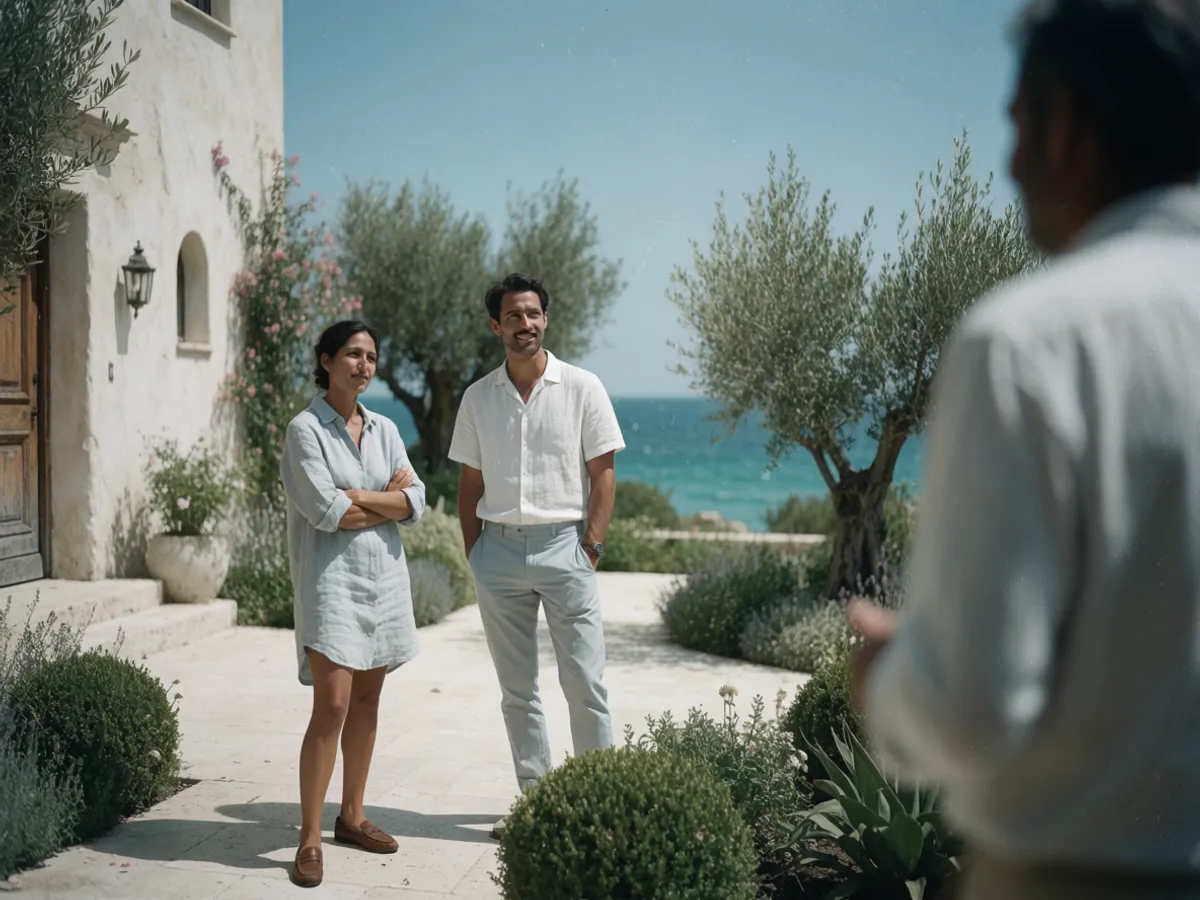
Vi er ikke ejendomsmægleren. Vi er introduktionen. Når en artikel som denne bliver til en plan, forbinder vi dig med en efterprøvet lokal ekspert, der kender byen og taler dit sprog.
Find din lokale ekspert