


September on the coast usually brings a familiar rhythm: the last of the August crowds thin out, agents' diaries fill with viewings booked over the summer, and the market settles into what we think of as its real working season. This year there is an extra layer to the conversation. It has now been well over a year since Spain closed the property route into its golden visa, and the shape of who buys here has genuinely changed, not just the mood around it.
We want to use this note to look at that shift plainly, alongside the more familiar questions of price and supply, because it changes what a search looks like for some buyers more than others.
The visa that ended, and who it took with it
Spain withdrew the real estate investment route to its golden visa in the spring of 2025, ending a programme that had, since 2013, let non-EU buyers gain residency by putting money into property above a set threshold. On the Costa del Sol in particular, that route had drawn a specific kind of buyer: often Chinese, Russian, Middle Eastern or Latin American, frequently purchasing well above the programme's minimum, and not always intending to live in Spain full time.
That buyer has not vanished. Some still purchase here for the same reasons they always did, a base in Europe, a family holiday home, a diversified asset, but they no longer arrive expecting residency to come attached to the purchase. Anyone from outside the EU wanting to live here now has to go through the ordinary channels: a non-lucrative visa for those living on savings or pension income, a digital nomad visa for remote workers, or simply visiting as a tourist within the usual ninety-day limits within any six month period.
Where the demand is actually coming from

With that route gone, the buyer mix on both coasts looks more like it did before the golden visa years took off, tilted back towards people who are buying to use the property themselves. British buyers remain a large and steady presence on the Costa del Sol, alongside long-standing Belgian, Dutch, German and Scandinavian demand that has never really left. On the Costa Blanca, that northern European base is even more dominant, with Jávea, Moraira and Altea drawing much the same crowd they always have.
What has grown is interest from buyers who are not chasing residency at all: Americans drawn by the exchange rate and the pace of life here, and a smaller but noticeable flow of buyers from Latin America with existing family ties to Spain. We often find these buyers ask fewer questions about visas and more about schools, flight connections and whether a property will suit them for six months of the year rather than twelve. It is a quieter, more grounded kind of enquiry than the investment-led conversations of a few years ago, and it tends to lead to slower, more considered decisions.
Prices and supply, in short
On price, the picture has not reversed. Spain's National Statistics Institute has continued to record year-on-year growth in housing values nationally, and the coastal provinces of Málaga and Alicante have generally tracked ahead of that national figure rather than behind it. Resale stock in the most established coastal strips, close to the beach in towns like Marbella, Estepona, Jávea and Altea, remains genuinely limited, which keeps competition for the better properties fairly firm even outside the summer peak.

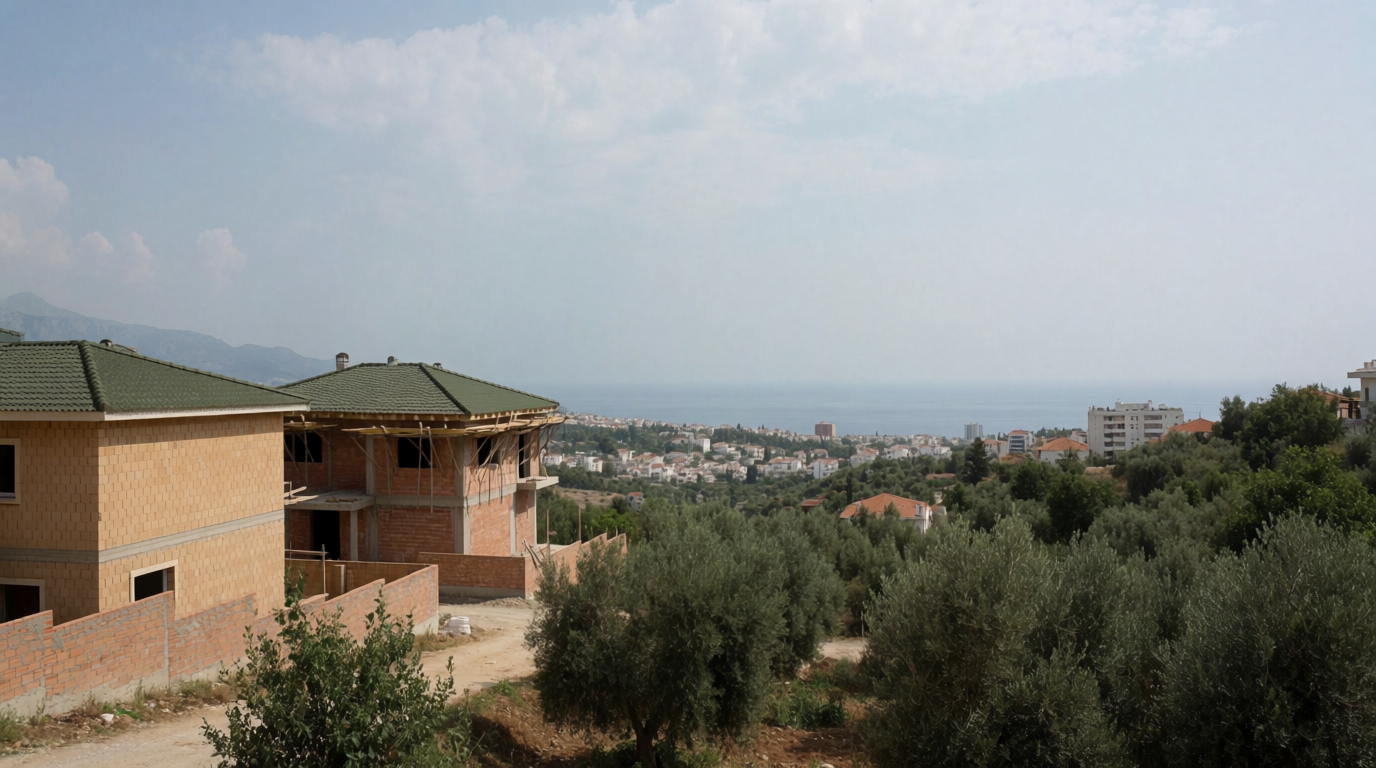
New-build supply tells a slightly different story. Several large developments announced in 2023 and 2024 are only now reaching completion, and buyers reserving off-plan today should still expect build times measured in years rather than months. That gap between demand for a finished home now and the pace at which new stock actually arrives remains one of the more practical realities of buying here, whichever coast you are looking at.
The rental licence question
One regulatory change worth flagging for anyone weighing up a buy-to-let purchase: several town halls along both coasts have tightened the rules around short-term tourist rental licences in recent years, including restrictions in parts of Málaga city and stricter conditions in some Alicante province municipalities. Where a licence already exists on a resale property, it is generally worth confirming it transfers with the sale rather than assuming it does.
If letting the property out matters to your plans, it is worth checking a specific address's licence status and its town hall's current position before you fall for the house, not after.
What this means for your search
None of this points to urgency. It points to a market that has quietly reorganised itself around buyers who want to actually use what they buy, whether that is a full-time move, a long summer, or somewhere to retire into over the coming years. If you are starting a search now, it is worth being honest early about what kind of buyer you are: whether residency matters to you at all, whether letting income is part of the plan, and how much you value an established address over a new one still being built.
That honesty tends to narrow a search faster than any amount of viewing. A buyer who knows they want a finished resale flat within walking distance of the sea is looking at a very different shortlist to one who is happy to wait two years for a new development inland, and mixing the two up early is one of the more common reasons a search drags on longer than it needs to.
If it would help to talk any of that through, from the visa questions to which stretch of coast might actually suit the way you want to live, we are always glad to have that conversation, and to put you in touch with people locally we trust when you are ready.

Introduktionen
Den lokale ekspert, der kender kysten
Vi er ikke ejendomsmægleren. Vi er introduktionen. Når en artikel som denne bliver til en plan, forbinder vi dig med en efterprøvet lokal ekspert, der kender byen og taler dit sprog.
Find din lokale ekspert